Samsung's Odyssey G60H pushes gaming monitors to 1,100 Hz—at a price that undercuts the specs
Samsung has unveiled the Odyssey G60H, a 27-inch gaming display capable of refreshing at 1,100 times per second in HD mode, yet priced at just $894 on Amazon.
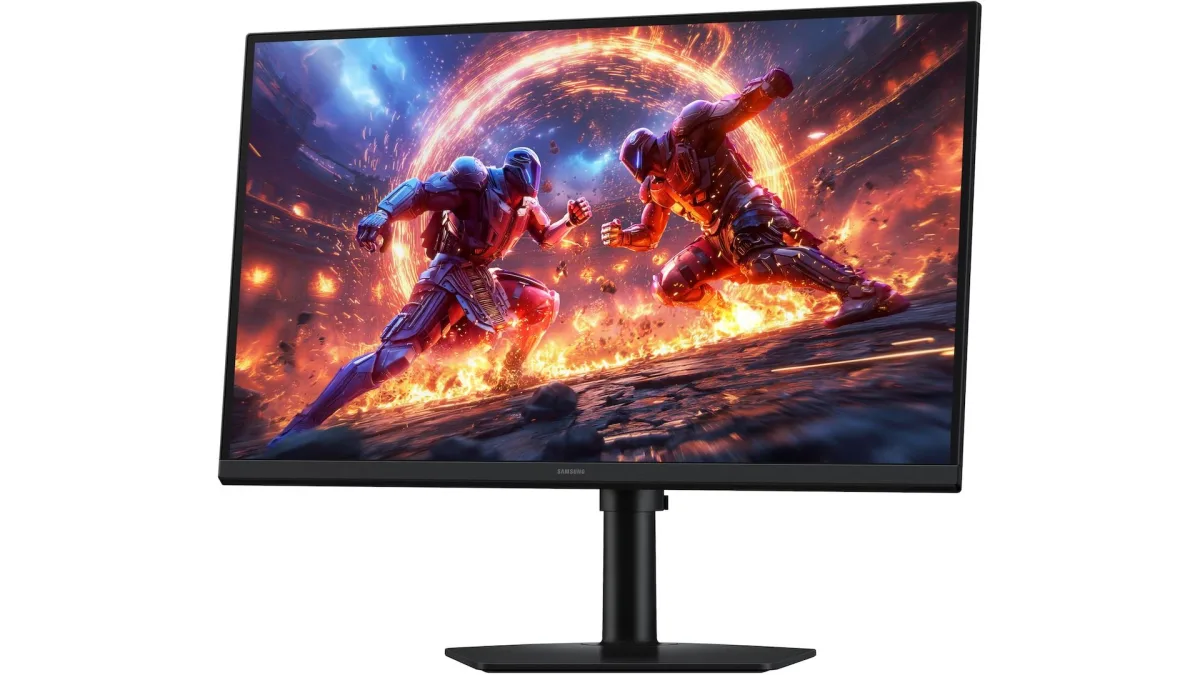
The Samsung Odyssey G60H (LS27HG602ENXZA) represents an ambitious push in display technology for competitive gaming. This 27-inch Fast IPS LCD monitor can achieve refresh rates up to 1,100 times per second—equivalent to 0.91 milliseconds per frame. Despite these headline-grabbing specifications, the monitor carries a surprisingly modest price tag of $894.
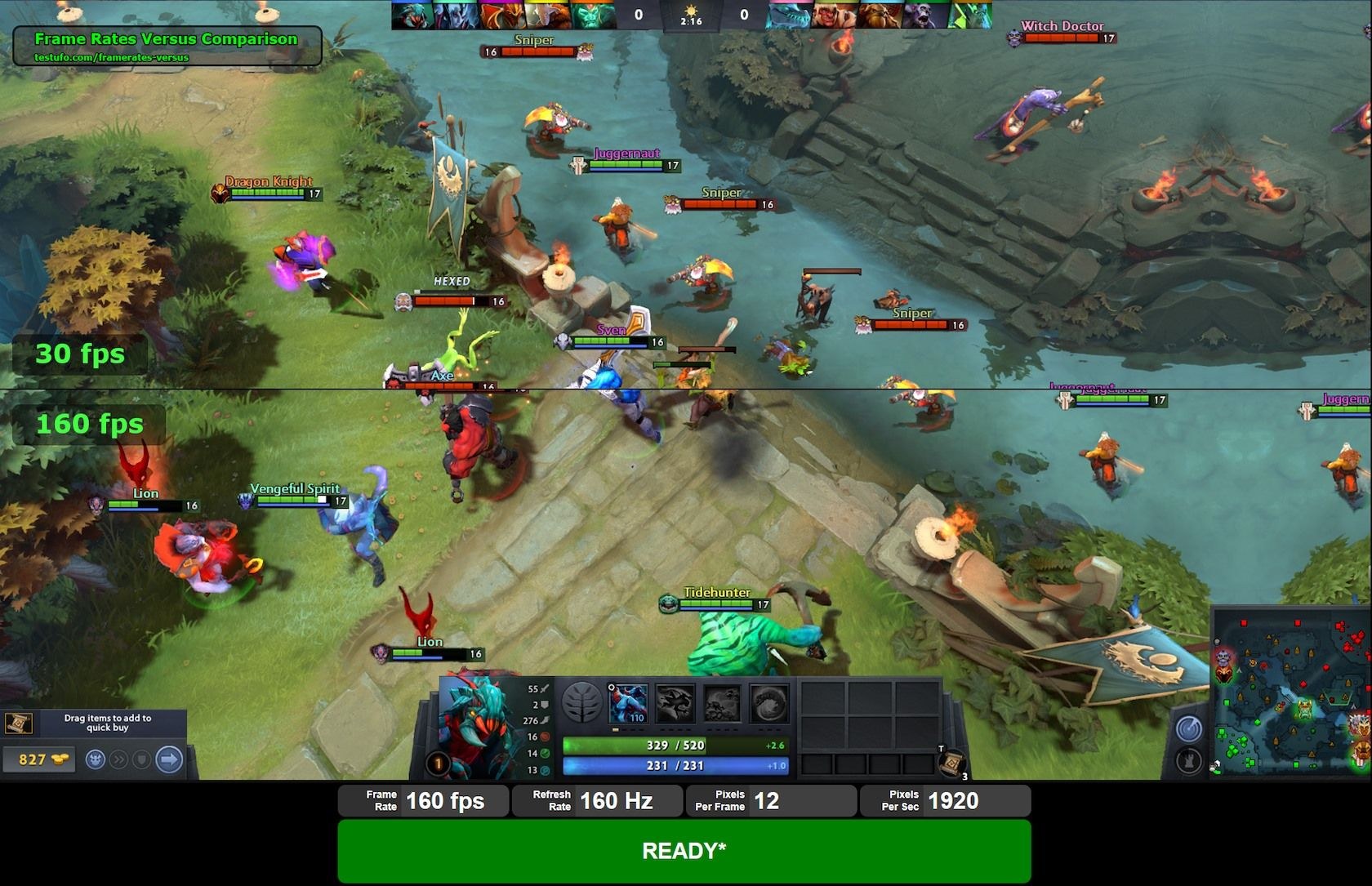
The monitor operates in two distinct modes, which explains the apparent disconnect between Samsung's marketing of it as a 600Hz display and its peak 1,100Hz capability. At its native QHD resolution of 2560×1440, the screen delivers a 600Hz refresh rate. Reaching the 1,100Hz figure requires dropping resolution to 1280×720—a reduction of 75 percent. Since this lower resolution is exactly one-quarter the pixel count of QHD, Samsung has presumably implemented integer-based upscaling to handle the transition.
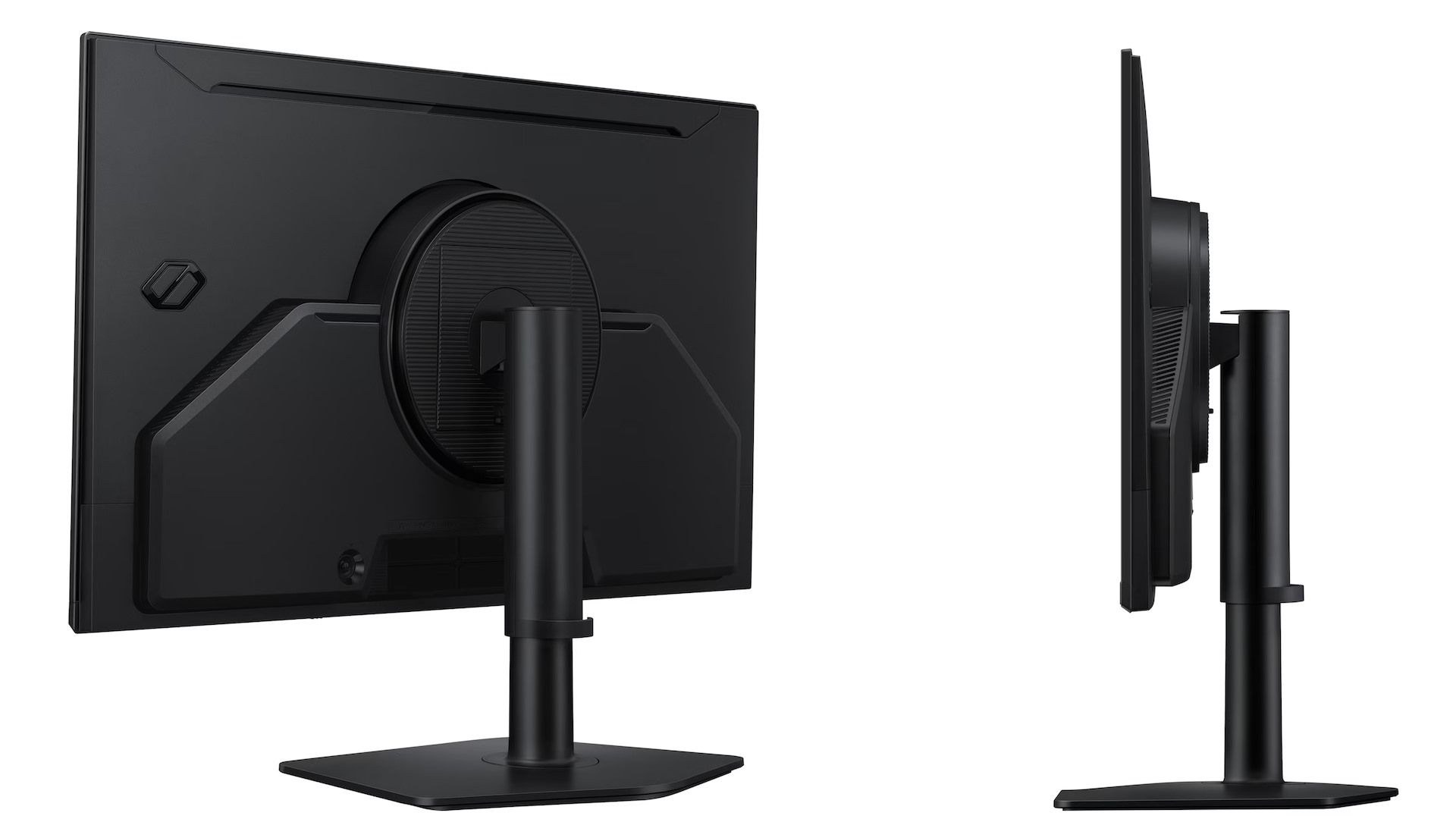
Beyond the refresh rate specifications, the G60H functions as a fairly conventional gaming-oriented IPS LCD panel. It offers 400 cd/m² typical brightness, claimed 99% sRGB color coverage, a native contrast ratio of 1000:1, and HDR10 support—though the absence of local dimming and modest brightness levels make calling it a true HDR display somewhat misleading. The monitor supports both FreeSync Premium and G-Sync compatibility, though Samsung notes that the maximum 1,100Hz refresh rate cannot be achieved when FreeSync is enabled.
Samsung has introduced a new feature called "Odyssey Clear Motion," which the company describes as reducing motion blur to enhance visibility of fast-moving elements during gameplay. According to Samsung, "through the optimised blur reduction algorithm, the Odyssey G6 keeps fast-changing scenes clear and crisp." The manufacturer plans to incorporate this technology into additional gaming monitor models. The exact mechanism behind this feature remains somewhat opaque, though it may involve black frame insertion or backlight strobing—techniques Samsung has employed in gaming monitors for over a decade.
The necessity of dedicated motion blur reduction at 1,100Hz raises an interesting technical question. Motion clarity research site Blur Busters has previously identified 1,000Hz as a significant threshold for sample-and-hold displays, suggesting that sufficiently elevated refresh rates can approach the motion clarity of legacy CRT monitors without requiring backlight strobing. However, 1,000Hz does not eliminate motion blur entirely. According to Blur Busters' calculations, approximately one pixel of motion blur persists for every 1,000 pixels per second of movement at 1ms persistence, assuming instantaneous pixel transitions. At 1,100Hz, this figure drops to roughly 0.91 pixels—a substantial improvement, though not zero. The monitor's actual pixel response times further complicate the equation; Samsung's claimed 1ms gray-to-gray response time represents a measured range of 1.00 to 1.99ms, and real-world performance in worst-case scenarios could reach 3-5ms.
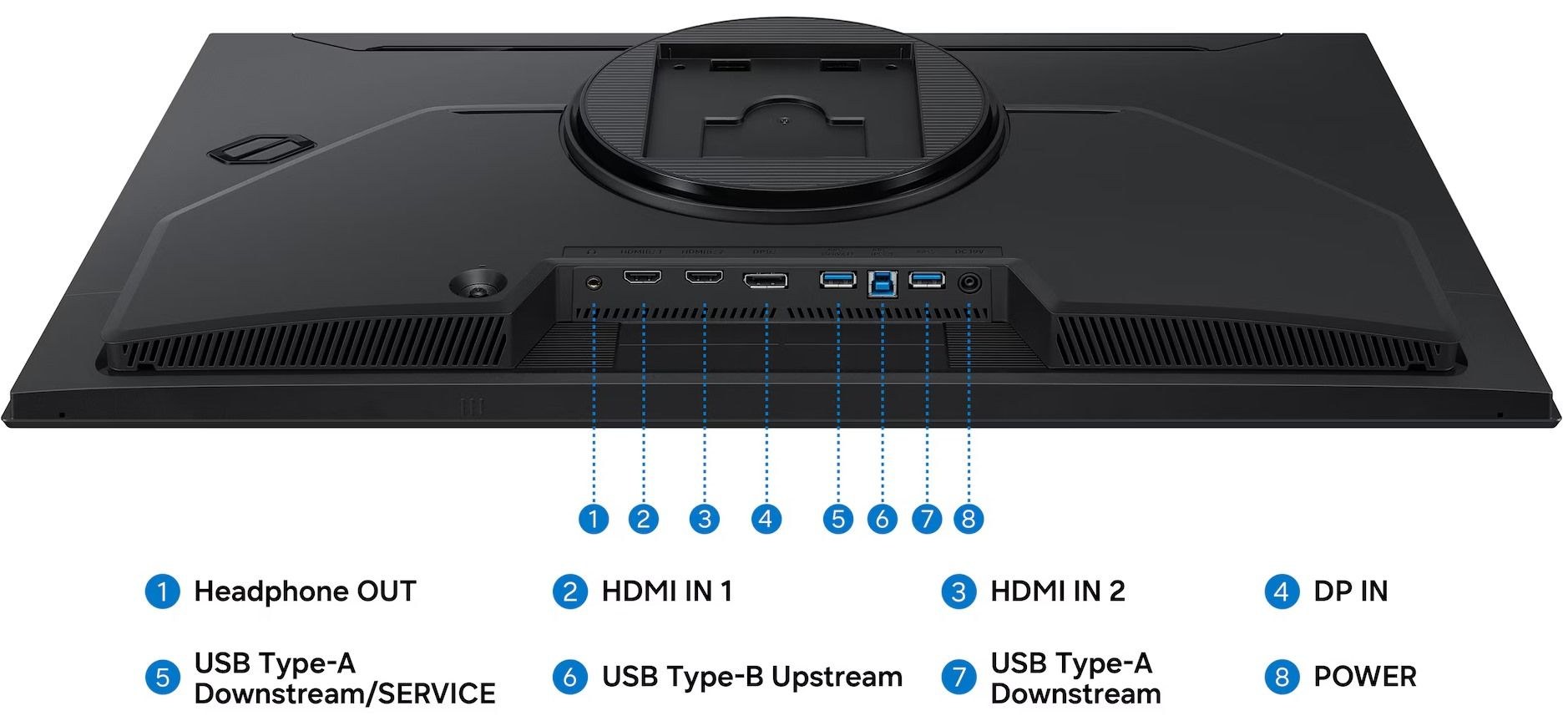
Connectivity options include DisplayPort 2.1 and HDMI 2.1 video inputs, with two full-sized HDMI ports available. The monitor features a USB Type-B connector that passes through a pair of USB Type-A ports to the host computer. Notably absent is USB Type-C connectivity, an unusual omission at this price point, though the target audience of desktop gamers with high-end hardware may not require it. The monitor also lacks integrated speakers but includes a headphone jack for HDMI audio pass-through.
The included stand provides tilt, swivel, pivot, and height adjustments, and the monitor supports 100×100 VESA mounting. Power delivery relies on an external AC adapter rather than an internal power supply—a trade-off that sacrifices convenience for improved repairability.
While image quality may not rival OLED displays, the prospect of a 1,100Hz monitor presents compelling possibilities for those who have experienced high-refresh gaming. The 1280×720 resolution represents a significant step down from modern standards, yet competitive gamers have historically prioritized responsiveness over pixel density. For players focused on minimizing input lag, the resolution compromise may prove worthwhile.