Five Years On: Windows 11's Turbulent Journey From Launch to Stability
Microsoft's Windows 11, released on October 5, 2021, has spent half a decade generating controversy and frustration among users, though recent updates suggest the operating system may finally be finding calmer waters.
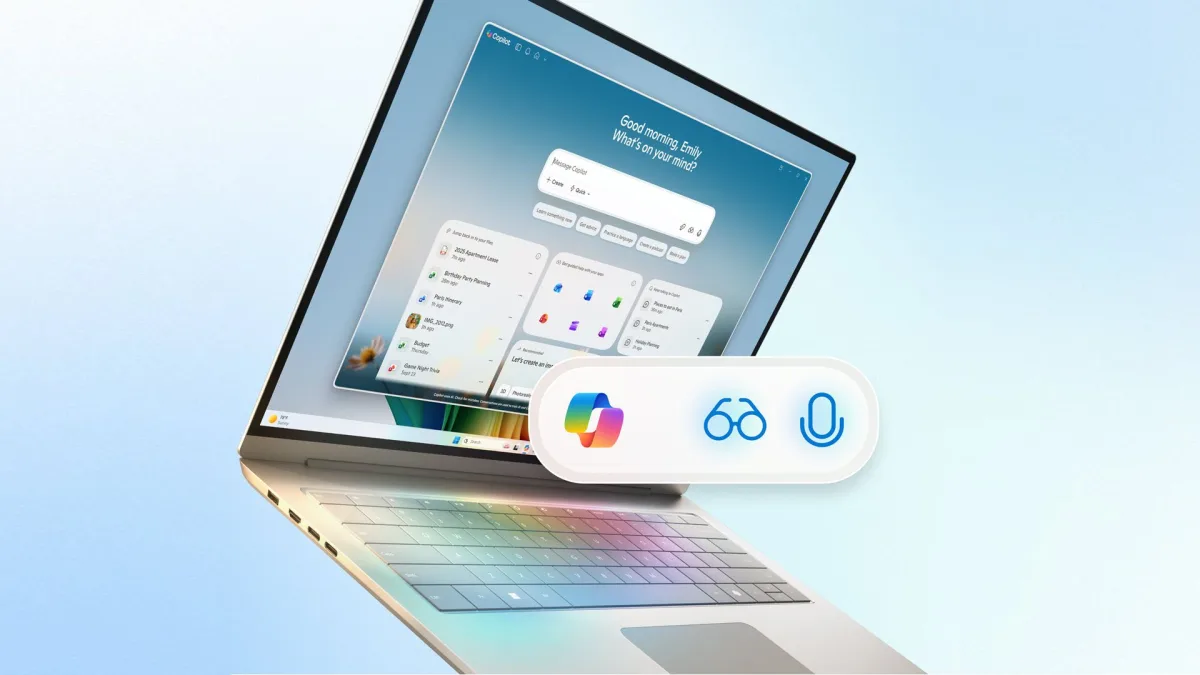
The passage of five years since Windows 11's debut feels considerably longer, a sensation likely rooted in the widespread difficulties the operating system has inflicted on its user base. Launched on October 5, 2021, Microsoft's latest OS has dominated technology headlines predominantly for the wrong reasons, chronicling the challenges it has imposed on users throughout its lifecycle. The rollout of the 26H2 update in recent days offers a glimmer of hope, positioning itself as a "predictable and low-disruption" release rather than attempting transformative change.
Following Windows 10's successful course correction, industry observers anticipated that Windows 11 might stumble in unforeseen directions—and it did, repeatedly. Microsoft demonstrated considerable ingenuity in misreading what the market actually wanted. The launch presented a particularly contentious problem: the operating system imposed strict hardware requirements that threatened to render countless functional machines obsolete. This controversy persisted for months, with users resorting to system file modifications to circumvent the mandated specifications, while Microsoft simultaneously adjusted its requirements in ways that appeared inconsistent and confusing.