Congressional Republicans Demand Nvidia CEO Huang Testify Over China Espionage Allegations
Lawmakers from three House committees have summoned Jensen Huang to a closed-door briefing after U.S. intelligence officials reportedly identified him as a target of Chinese surveillance operations.
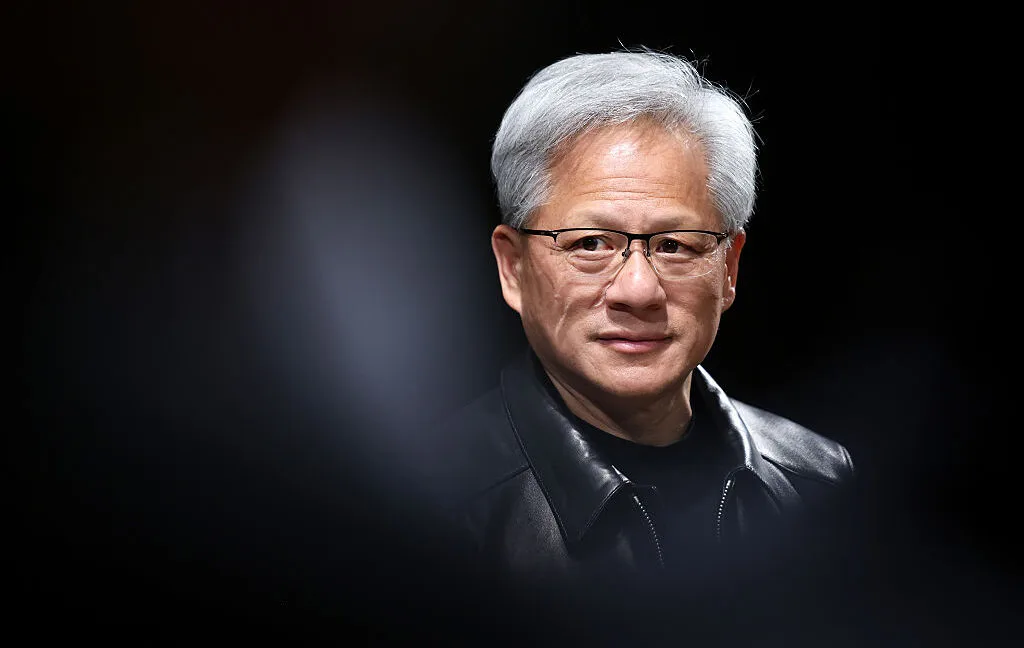
Senior Republican committee chairs have called on Nvidia's chief executive Jensen Huang to testify before Congress following reports that U.S. intelligence agencies believe he has been the subject of a Chinese espionage campaign.
Representatives John Moolenaar, Brian Mast, and Rick Crawford—who lead the House committees on China, foreign affairs, and intelligence respectively—sent a letter to Huang this week requesting his attendance at a joint closed-door session scheduled for November 18.
Recent reports raise significant national security concerns regarding the People's Republic of China's access to sensitive US technology and information
Representatives John Moolenaar, Brian Mast, and Rick Crawford
The lawmakers further stated: "The issue of PRC infiltration and access to cutting-edge US technology is core to the investigative work of our three committees this Congress. It is vital that Congress determines the extent to which US national security has been placed at risk."
The New York Times reported last week that intelligence officials suspected Huang had been targeted by a Chinese spy operation. The focus of these concerns involves a Chinese national named Alice Huang, who serves as an executive at Megaspeed, a Singapore-based cloud services firm that has purchased billions of dollars worth of Nvidia processors.
Nvidia has disputed the allegations. When asked Thursday whether Huang would comply with the congressional request, the company declined to confirm but offered a statement: "Meetings with customers are part of a CEO's job. Jensen talks with thousands of customer executives every year."
The company emphasized that its regional cloud customers receive only standard business information and no proprietary Nvidia secrets or material bearing on national security concerns.
The congressional representatives indicated they want Huang to address what security measures Nvidia employs to defend against espionage by hostile foreign powers. Nvidia responded that its chief executive is accompanied by an "outstanding security team."
According to the New York Times, Huang has not been given a "defensive briefing," the standard practice through which the intelligence community typically alerts potential espionage targets about threats against them, though such briefings are not always provided.
Nvidia stated it believes the U.S. government would have notified the company if officials considered any individual a risk to American industry, and that it regularly receives intelligence updates from Washington regarding individuals of concern.
U.S. authorities have previously examined Megaspeed, which was established in 2023 as an offshoot of a Chinese gaming enterprise, over suspicions of illegal chip trafficking. No criminal charges have been filed.
After learning of U.S. concerns, Nvidia conducted its own unannounced inspections at Megaspeed's Singapore location. According to sources with knowledge of the investigation, the internal review uncovered no indication that Nvidia chips had been redirected toward China.
Nvidia's distribution network has faced mounting scrutiny as U.S. export restrictions have fueled a rise in illegal trafficking of its processors. Earlier this year, Wally Liaw, a co-founder of Supermicro—a major partner in Nvidia's supply chain—was arrested and charged with smuggling Nvidia chips to China. Liaw has entered a not guilty plea and maintains his innocence.