European activists occupy Microsoft data center site as anti-AI infrastructure movement spreads across continent
Roughly 100 protesters breached a Microsoft-linked construction site in Amsterdam on November 6-7, 2026, as part of a coordinated campaign by the Stop Dirty Data Centers coalition targeting 85 locations across Europe.
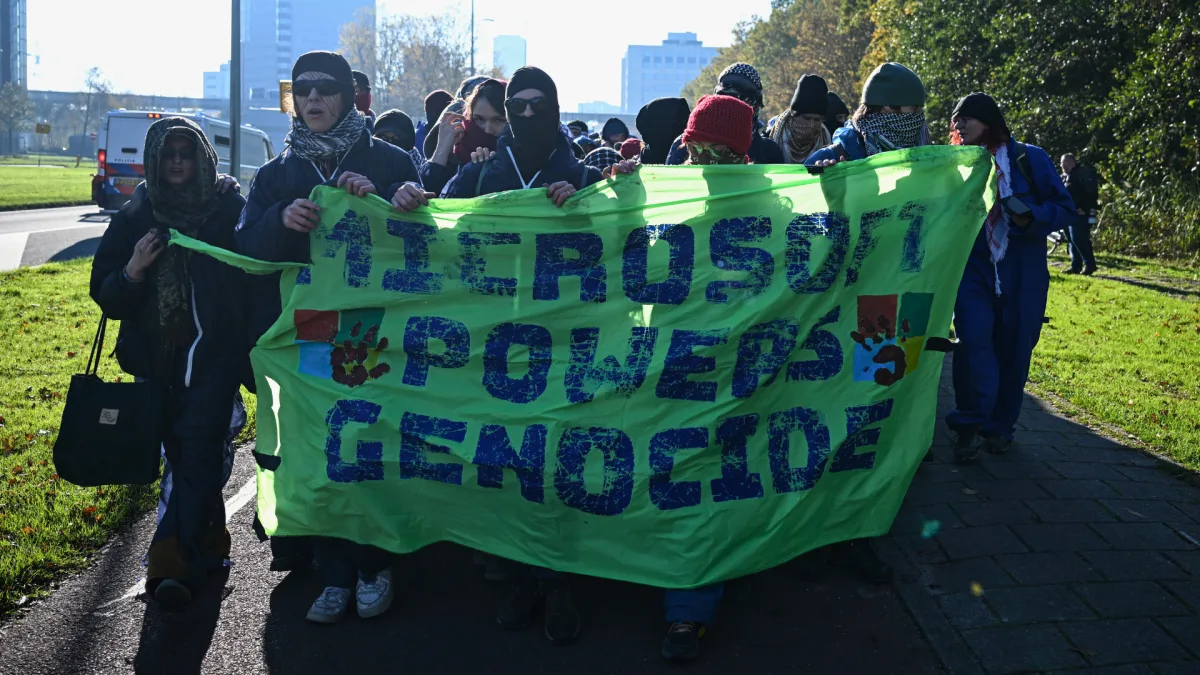
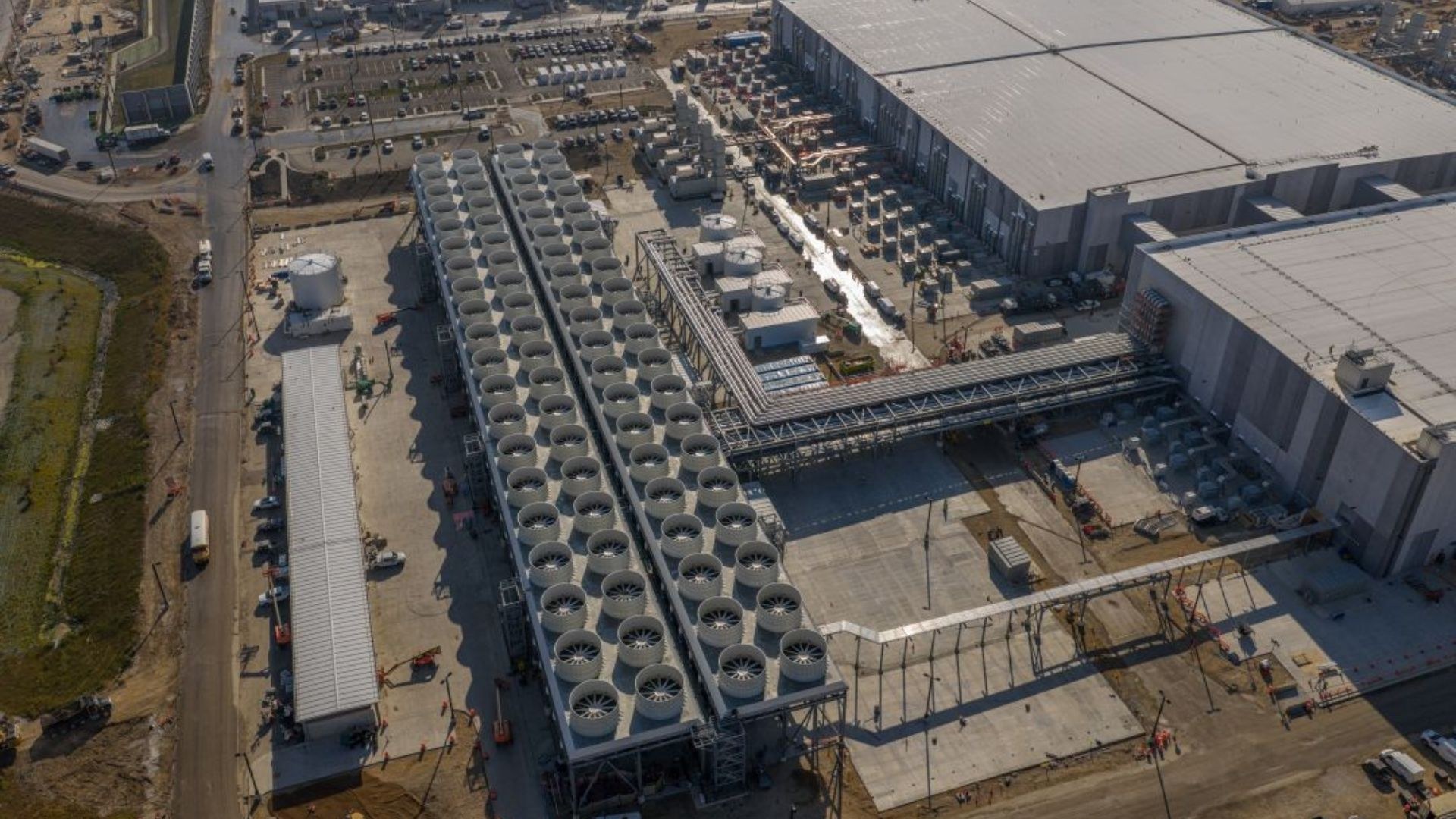
A Microsoft data center under construction in Amsterdam has been seized by approximately one hundred demonstrators, some displaying signs reading "Screw your data center." The Stop Dirty Data Centers coalition is orchestrating simultaneous actions across 16 nations on November 6 and 7, 2026, with sites targeted in Amsterdam, Dublin, Warsaw, and a separate Microsoft facility in Denmark, according to Reuters.
Pure Data Centers, the operator of the Amsterdam facility, issued a statement: "We respectfully ask those on site to leave safely and engage with us in dialogue about the development and any concerns they may have." Microsoft responded by acknowledging "the strong feeling that people have" and respecting "their right to peaceful expression" while stating it "does not condone any unlawful action."
The coalition's website declares, "On 6-7 November 2026 we are taking action across Europe to say Stop Dirty Data Centres. Local communities are rising up to stop dirty data centres where they live. We will unite and exercise our democratic rights to speak out, assemble, and protest to hold elected officials to account. We're calling for an immediate moratorium on large data centres in Europe!" A map indicates demonstrations planned at 85 European locations in the coming days.
Stated concerns and motivations
The group has outlined multiple grievances regarding "the explosion of AI data centres across our towns and cities" and characterizes its mission as preventing "the irreparable harms data centres pose to the wellbeing of people and planet." Their stated concerns encompass:
- Effects on local communities, employment, housing availability and utility costs
- Environmental impact including climate effects, extreme heat events and water depletion
- Technology companies' influence on democratic institutions
- Mental health consequences
- Expanded surveillance capabilities and privacy violations
- Military and security implications
- Labor and supply chain practices
Growing resistance across regions
Data center opposition has emerged as a significant issue in U.S. midterm elections, with voters broadly rejecting new facilities. European governments are similarly implementing constraints on their expansion. Google's Finnish subsidiary, Tuike Finland Oy, faces criminal investigation for allegedly clearing 816 acres of forest without authorization. Denmark has suspended new data center power grid connections as pending applications total 60GW—more than eight times the nation's current peak electricity demand. An Italian municipal council has imposed a 200 percent tax on data center projects in agricultural zones to redirect development toward repurposed industrial sites.
The Stop Data Center coalition emphasizes that it opposes neither technological advancement nor the continuation of existing operations. Rather, the group seeks a construction pause until governments establish comprehensive regulatory frameworks ensuring data centers do not harm local environments or residents. EU technology commissioner Henna Virkkunen acknowledged the stakes: "AI, of course, is a super important technology and we need to have our own capacity. But she also added that "it's very important for citizens that they can trust that their energy bills are not skyrocketing and there are not electricity blackouts because of data centers, or they are not destroying the environment with these projects."