University of Rochester team converts budget 3D printer into functional bioprinter for living materials research
Researchers at the University of Rochester have repurposed a consumer-grade Ender 3 printer into a working bioprinter capable of printing structures from microorganisms, reducing the cost of engineered living materials research from six figures to $450.
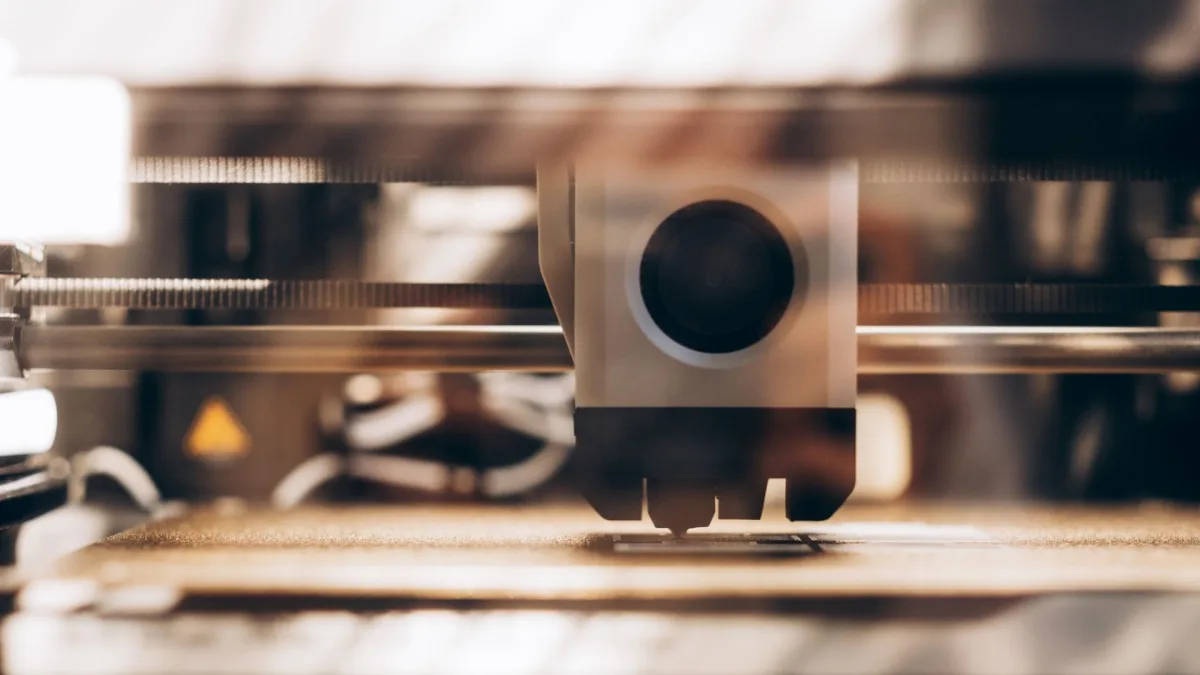
Scientists working in the microbiological sciences have taken a consumer 3D printer and transformed it into specialized equipment for studying engineered living materials. The conversion of an Ender 3 FDM printer at the University of Rochester demonstrates that cutting-edge biological research need not require the expensive hardware traditionally associated with the field. By leveraging existing design software and modifying the printer's components, the team created a functional bioprinter at a fraction of the typical cost.
The Rochester team employed standard 3D printing design and preparation tools to accomplish the conversion. They modeled their modifications in SolidWorks and prepared the files using Slic3r, following the same basic workflow as conventional 3D printing but with adjustments tailored to a custom syringe pump that serves as the print head. The resulting device costs approximately $450 to build, a dramatic reduction compared to commercial bioprinters, which typically command prices exceeding $100,000.
The field of synthetic biology merges principles from engineering with microbiology, treating living microorganisms as functional components and structural elements to accomplish desired biological outcomes. In August, biologist Anne S. Meyer and colleagues published their findings in the journal ACS Applied Polymer Materials under the title "3D Bioprinting of Engineered Living Materials." Their research identifies a significant barrier to progress: while synthetic biology and 3D bioprinting technologies have advanced the study of engineered living materials, the expense of specialized equipment and its limitations in preserving structural integrity have constrained further development. The Rochester team addressed both obstacles simultaneously by developing an open-source bioprinter design based on the Ender 3 and formulating their own support material, enabling the printed biological structures to maintain their intended form.