ICEYE pursues $2.2 billion acquisition of Avio to build Europe's integrated space company
The Finnish satellite maker is bidding to acquire the Italian rocket manufacturer in an all-cash offer, aiming to create a vertically integrated space enterprise with sovereign European capabilities.
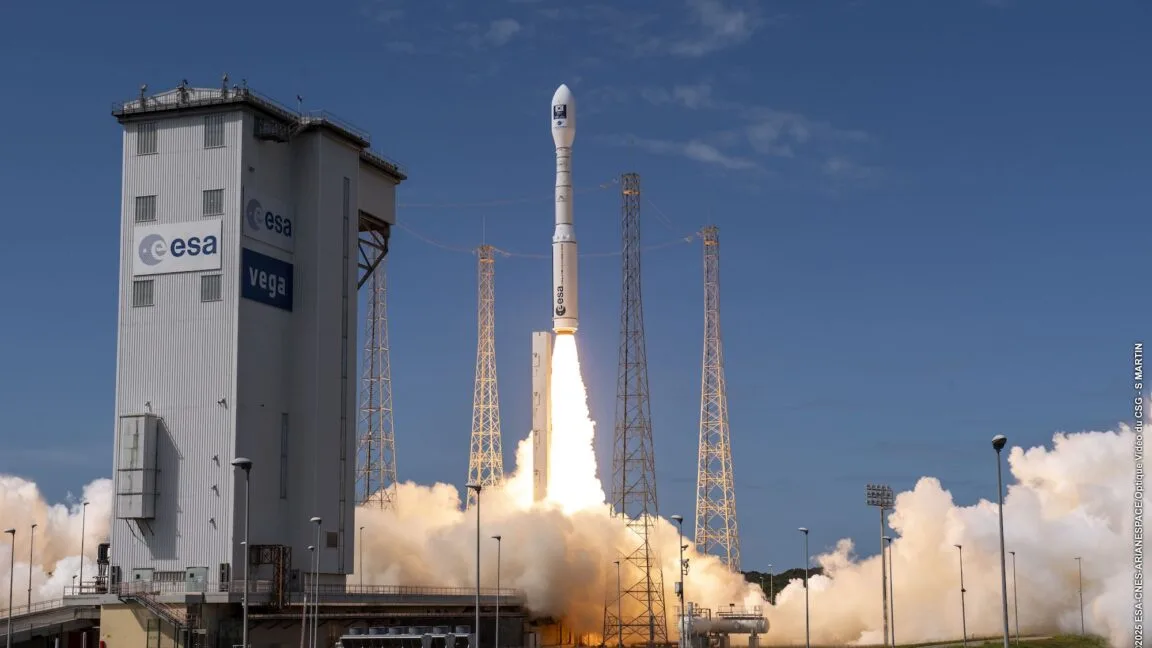
ICEYE, a Finnish developer of satellites, made public on Tuesday its intention to acquire Avio, an Italian rocket manufacturer, for a sum exceeding $2.2 billion. The deal, structured as an all-cash voluntary tender offer to shareholders through an Italian subsidiary, would establish what the company describes as Europe's first fully vertically integrated space enterprise spanning the entire supply chain from manufacturing to operations.
Avio's board acknowledged receipt of ICEYE's proposal and stated it is evaluating the offer. The Italian defense firm Leonardo currently leads Avio's shareholder group. Avio manufactures the Vega C, a solid-fueled rocket capable of delivering 3.3 metric tons to low-Earth orbit. Since its 2022 debut, the Vega C has achieved seven successful flights out of eight attempts, building on the track record of its predecessor, the original Vega rocket, which has completed 20 successful launches from 22 total attempts since 2012.
Among European space startups, ICEYE stands out as exceptionally successful in an environment where private funding scarcity, regulatory hurdles, and market fragmentation typically constrain growth, according to analysis from the Organization for Economic Cooperation and Development. The company's valuation reached more than $12 billion following its most recent capital raise in June.
In pursuit of sovereignty
ICEYE framed the acquisition as essential to meeting Europe's demand for "sovereign space and defense capabilities." The company designs, manufactures, and operates radar surveillance satellites while distributing imagery to private enterprises and state actors. Ukraine has deployed ICEYE imagery for monitoring and targeting Russian military positions.
Governments need control of their critical space infrastructure, and Europe needs it most. Avio has built the launch and propulsion capability Europe relies on. With ICEYE's long-term capital behind it, we can integrate the supply chain, grow output and strengthen the European programs that already depend on it. Together we can build, launch and operate sovereign space systems end-to-end, made in Europe for governments across the world.
Rafal Modrzewski, CEO and co-founder of ICEYE
Avio manages a consortium of European manufacturers producing the Vega C and oversees final assembly operations at its facility near Rome. Historically, Avio transferred completed rockets to Arianespace, the French launch operator, which handled customer acquisition, commercial arrangements, and launch operations from French Guiana. Recently, Avio absorbed these functions to consolidate the entire Vega C program internally.
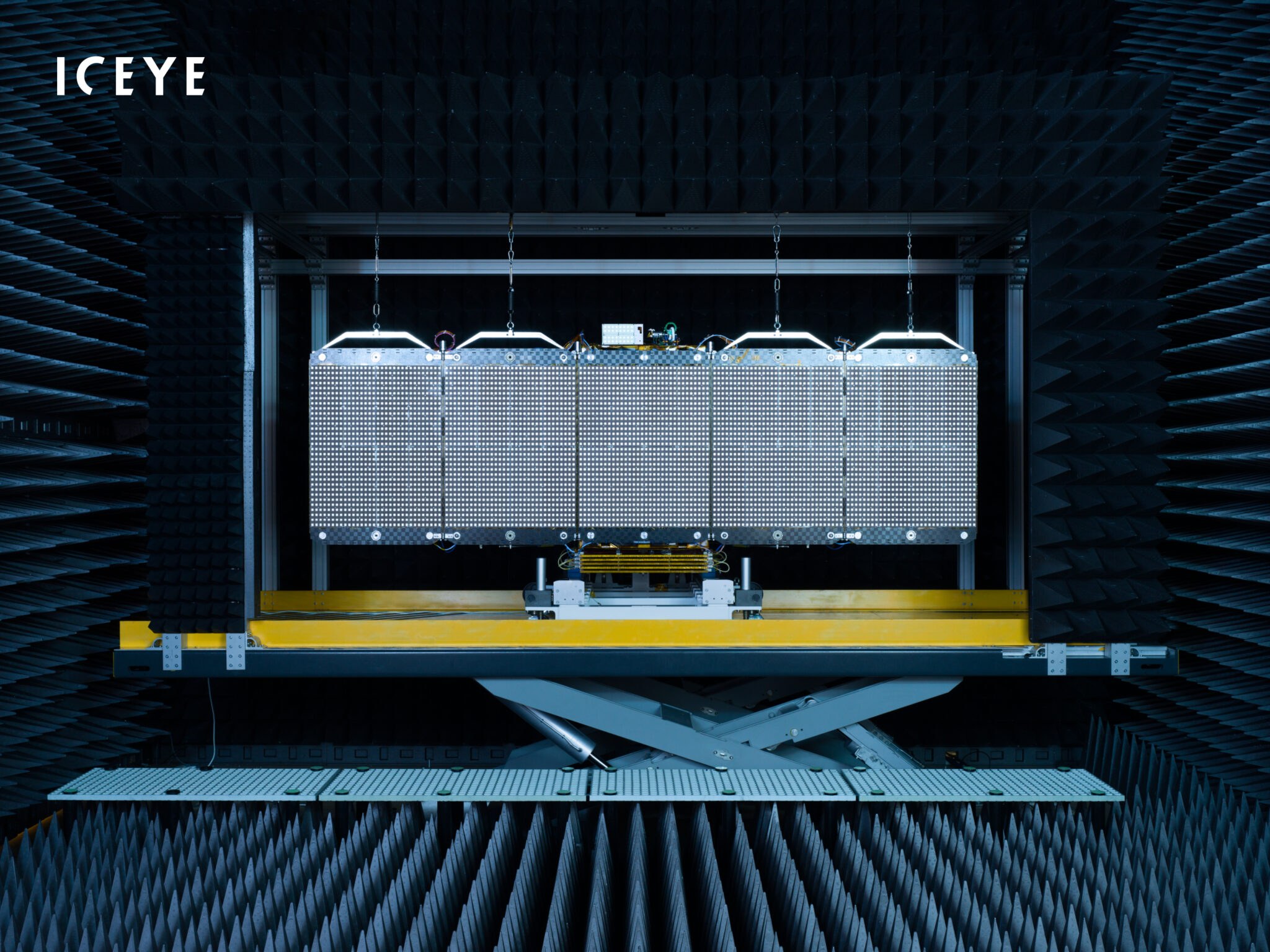
ICEYE has constructed and deployed 84 radar reconnaissance satellites delivering continuous imagery of global locations regardless of weather or daylight conditions. Beyond its commercial satellite operations, ICEYE has supplied complete satellite systems directly to national governments including Finland, Poland, Germany, Sweden, Portugal, Greece, and the Netherlands.
Last month, ICEYE formed a partnership with Nokia, also based in Finland, to construct a low-Earth orbit satellite network addressing European communication requirements, particularly for defense and security applications. Ukraine's Ministry of Defense disclosed a preliminary accord indicating intention to collaborate with both companies on the constellation, an announcement arriving shortly after Ukraine disclosed new constraints on its access to SpaceX's Starlink and Shieldshield services.
Modern warfare has proven that reliable communications are a matter of national security. We must all rely on capabilities that we can control.
Ukrainian President Volodymyr Zelenskyy
Substantial development remains before the ICEYE-Nokia constellation becomes operational. The partners target deployment of 50 satellites annually beginning in 2028. Neither company has released projections regarding network performance metrics or the complete satellite count needed for coverage. Depending on orbital altitude, such a network would probably demand hundreds or thousands of satellites. SpaceX currently operates more than 11,000 Starlink satellites.
The strategic alignment is evident: ICEYE's expanding satellite fleet requires launch capacity, while Avio's Vega C rocket requires additional customers. The European Space Agency constitutes the primary buyer for Vega C launches, with most remaining capacity reserved for satellites belonging to European national space programs. Commercial demand for Vega C remains limited.
Through this acquisition, ICEYE would gain greater launch availability, while Avio would obtain capital to expand manufacturing capacity and increase flight frequency for the Vega family, which currently averages fewer than three launches annually.
Current pricing data shows a dedicated Vega C launch at approximately $55 million, nearly equivalent to SpaceX's Falcon 9 dedicated launch rate despite Falcon 9's substantially greater payload capacity. ICEYE has predominantly relied on Falcon 9 rideshare missions for satellite launches, excluding its initial demonstration spacecraft. SpaceX charged approximately $700,000 per rideshare slot for satellites matching ICEYE's specifications. SpaceX intends to discontinue rideshare offerings after 2028. Following a potential Avio acquisition, ICEYE satellites might launch on Vega C at two to three times the current rideshare cost.
Avio and the European Space Agency are jointly funding development of Vega E, which replaces Vega C's upper stage with a new methane-fueled variant offering improved performance. ESA and Avio also executed a contract valued near $50 million last year to initiate design work on a reusable upper stage resembling SpaceX's Starship in concept but substantially smaller in scale. The objective involves completing preliminary design phases for a potential Vega E successor.
Following the trend
Industry performance suggests advantages to combining launch and satellite operations within a single organization. SpaceX's Starlink constellation and Falcon 9 rocket have reinforced each other's success. Rocket Lab, ranking second among U.S. launch providers by flight frequency, expanded into satellite manufacturing after establishing its Electron rocket's reliability. Nearly every American launch operator either participates in satellite production or in-space services, or has announced plans to do so, with United Launch Alliance as the primary exception.
SpaceX's announced retirement of Falcon 9 has created an impending launch shortage, underscoring the necessity of guaranteed space access. SpaceX is channeling Starship launches toward its own Starlink network and forthcoming Starmind AI satellites.
AST Space Mobile, competing with SpaceX in satellite broadband services, disclosed last week that it is developing its own launch vehicle for its communications network. The company has primarily used Falcon 9 for satellite deployment to date. Cowboy Space, which plans to deploy orbital data centers in competition with SpaceX's Starmind initiative, recently announced its own rocket development program.
Both companies' launcher ambitions warrant skepticism. Neither possesses rocket development experience, and both target 2028 first flights—an extraordinarily compressed timeline to operational status. ICEYE and Avio also merit caution, though their combination would unite established satellite and rocket production capabilities with backing from European governments seeking to restore autonomy as transatlantic relations deteriorate.