Smartphone makers turn to recycled memory chips as DRAM costs climb
Reballed memory—salvaged from discarded devices and re-soldered onto new phones—is expected to nearly triple its market share by 2027 as manufacturers seek relief from surging component prices.
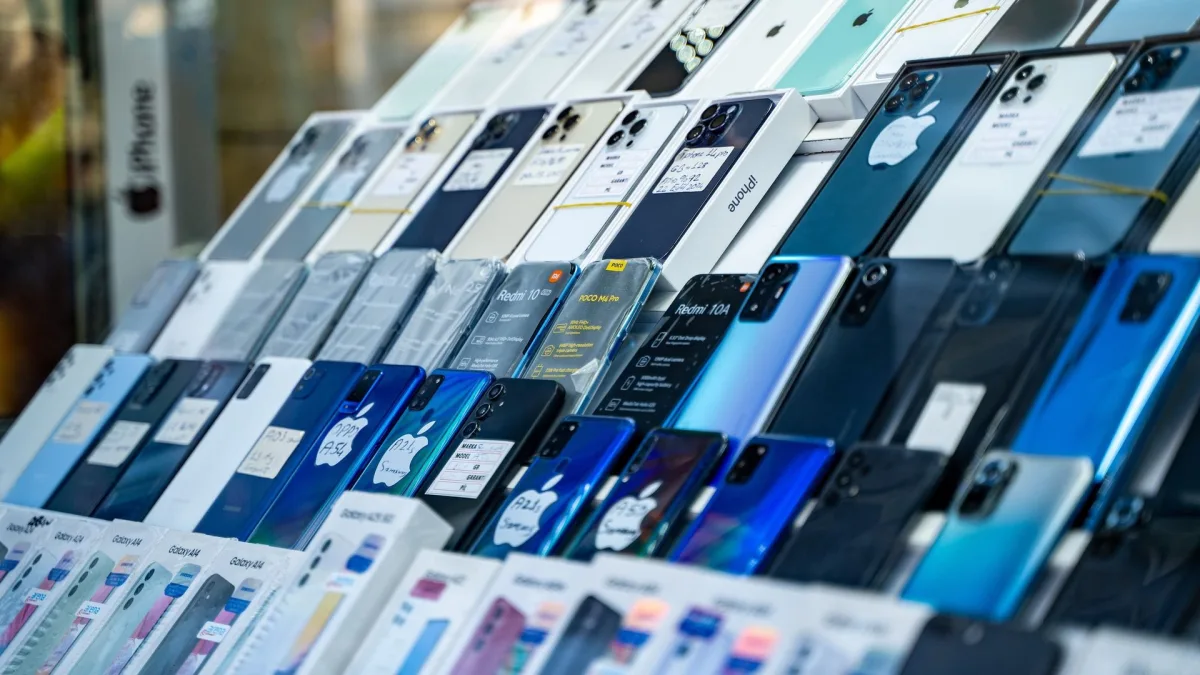
The smartphone sector is poised to significantly increase its reliance on reballed memory components. Market research firm TrendForce projects that penetration of this recycled material will expand from today's 3–4% to between 7–9% by 2027, driven by the economics of memory scarcity and rising costs.
Reballed memory refers to semiconductor chips extracted from older or discarded devices through a thermal process. The procedure involves heating the solder balls that attach a memory chip to its original circuit board until they melt, freeing the chip for removal. Once extracted, the chip is then re-soldered onto a new device, enabling the component to serve a second life rather than entering the waste stream.
For manufacturers, this approach delivers a cost advantage by reducing the need to purchase newly fabricated memory chips. The market currently sees reballed 4GB LPDDR4X modules as the dominant recycled option, concentrated in 4G smartphones retailing below CNY 1,299 (roughly $200). Smartphone makers find this strategy particularly valuable in the budget segment, where consumers resist price increases and manufacturers have little flexibility to raise retail prices without dampening sales. Deploying reballed memory helps offset climbing bill of materials costs while preserving affordability for entry-level devices.
TrendForce forecasts that DRAM prices will continue climbing through the first quarter of 2027, intensifying the squeeze on phone manufacturers. This outlook suggests that recycled memory and other lower-tier components may gradually migrate beyond budget phones into mid-range and premium segments. What began as a cost containment tactic for affordable handsets could evolve into a standard practice across the industry as makers navigate sustained high memory pricing.
The memory cost crisis is also spurring PC enthusiasts and hardware tinkerers to experiment with chip recycling. One hobbyist recently converted a $120 DDR5 SO-DIMM kit sourced from Facebook Marketplace into a desktop memory configuration worth approximately $1,000. The project involved extracting SK hynix 2x 16GB DDR5-5600 SODIMM chips and reballing them onto custom desktop DIMM circuit boards; the resulting modules reportedly achieved DDR5-7800 speeds.
Transforming laptop memory into desktop-compatible modules demands technical precision and access to specialized tools. The same applies to reballing memory for smartphones, where the microscopic solder connections in modern Ball Grid Array packages present significant challenges. Yet both examples underscore a broader shift: manufacturers, repair professionals, and individual enthusiasts are all pursuing memory reuse strategies to counteract rising expenses and component scarcity.