Russia's 3D-Printed Cruise Missiles Pose New Threat to Ukraine's Air Defenses
Moscow has deployed a new class of additive-manufactured cruise missiles called Filin that travel at 500 mph with a range exceeding 700 miles, offering a cheaper alternative to conventional weapons in a protracted conflict.
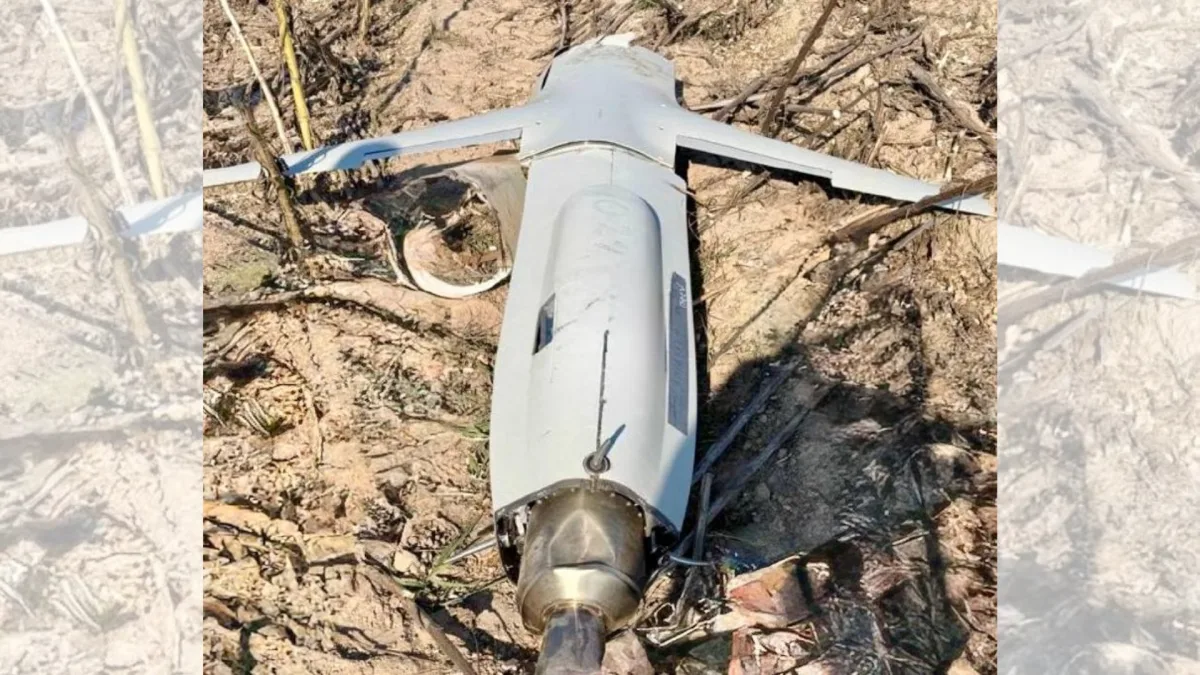
Additive manufacturing has become part of Russia's arsenal strategy to reduce weapons costs. Ukrainian military intelligence, the GUR, disclosed information about a recently deployed 3D-printed cruise missile system beginning in September and October. The Filin, as the weapon is designated, achieves speeds of 500 mph and can strike targets more than 700 miles away. Business Insider reported that these missiles represent a significant cost savings compared to the conventional Kh-101 cruise missile, which carries a price tag exceeding $2,000,000 per unit. Military analysts worry Russia may employ these systems in high-volume attack patterns designed to saturate Kyiv's defensive capabilities.
The conflict in Ukraine has evolved far beyond its initial scope into a prolonged war of attrition, with both combatants seeking economical approaches to sustained military operations. The expense of maintaining frontline operations has driven innovation on both sides. Unmanned aerial vehicles have become prevalent throughout the campaign, yet they suffer from limited speed and vulnerability to air defense systems. The Geran-5 drone, which has experienced structural failures during flight, reaches only 270 mph maximum velocity. By contrast, the Filin's 500 mph speed and 745-mile range make it substantially more difficult for Ukrainian air defenses to intercept, though it remains slower than modern fighter aircraft such as the F-16 Fighting Falcon.