Raspberry Pi raises prices again as memory costs squeeze margins
The single-board computer maker has announced a second round of price increases this year, with the 2GB variants of its flagship models climbing as much as 23% amid persistent shortages of LPDDR memory chips.
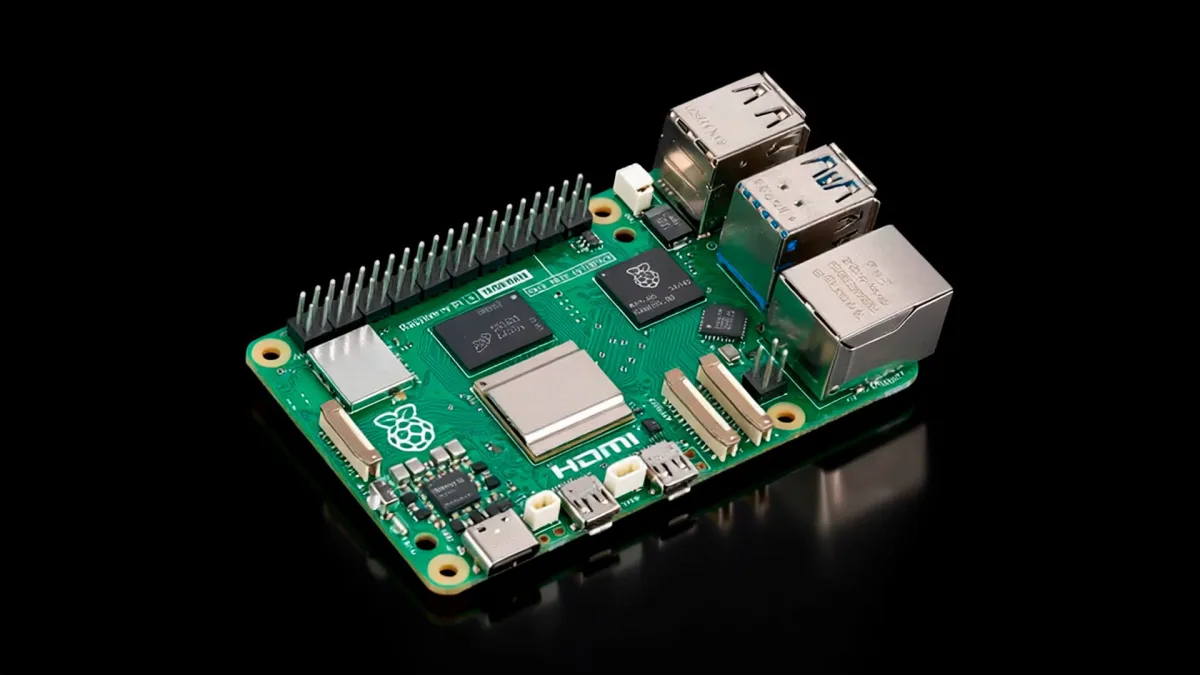
Raspberry Pi is pushing through another round of price adjustments, this time targeting the 2GB versions of its Raspberry Pi 4 and Raspberry Pi 5 boards. The hikes, which follow a prior increase in April, stem from mounting costs tied to constrained supplies of LPDDR4 and LPDDR5 memory. The 2GB models had escaped the earlier round of adjustments, but tightening margins have made further increases inescapable.
The Raspberry Pi 5 2GB, which debuted at $50 two years ago, will now carry a price tag of $77.50—a 19% jump from its previous $65 level. That represents a cumulative 55% increase since launch. Raspberry Pi CEO Eben Upton acknowledged that sustaining the former pricing for lower-capacity variants is no longer tenable given the trajectory of component costs.
Pricing updates across the lineup
The Raspberry Pi 4 2GB faces an even steeper climb. Originally introduced at $45, the board had dropped to $35 when memory prices softened, then settled at $55 before the latest adjustment. The new price of $67.50 marks a 23% increase and leaves buyers paying half again what they did at launch, or nearly double the lowest price ever offered.
Higher-capacity models have absorbed far sharper increases across 2026. The Raspberry Pi 5 16GB, Raspberry Pi 5 8GB, and Raspberry Pi 4 8GB have climbed 83%, 63%, and 53% respectively from their original MSRPs. Raspberry Pi has held the line on 1GB variants at their launch prices, though the company has not indicated how long that freeze will remain in place.
Potential workarounds
One theoretical path forward would involve Raspberry Pi offering a barebones board that users could populate with their own memory chips, appealing to hobbyists with soldering skills. Such a move could ease pricing pressure on the company. However, recent firmware updates have effectively blocked this route by locking devices to their factory-specified memory configurations.