Overclocking Enthusiast Uses AI to Resurrect Intel's Abandoned SkyOC Feature
A modder has employed artificial intelligence to reverse-engineer and modify motherboard firmware, aiming to restore ASRock's discontinued overclocking workaround for Intel's locked non-K processors.
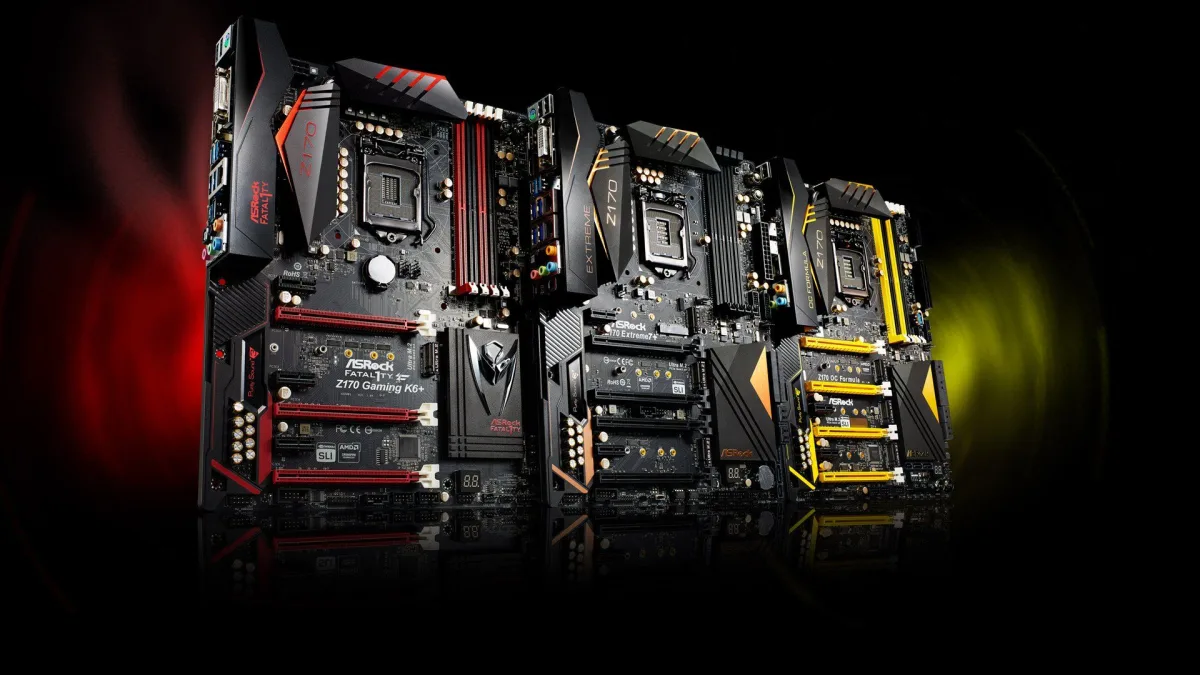
An enthusiast known as Hardware 360º has turned to artificial intelligence in an effort to revive ASRock's SkyOC overclocking capability, a feature the manufacturer discontinued years ago. The goal is to enable overclocking on Intel's non-K CPUs, which normally lack this functionality. According to a message posted on X, the modder leveraged Chat-GPT Astra to decompile and analyze two separate versions of ASRock BIOS firmware—one that included SkyOC support and another with the feature removed. The AI tool identified the specific code segments that controlled the overclocking workaround and modified them to produce a new BIOS image suitable for compatible motherboards. Whether this modified firmware will successfully restore SkyOC capabilities on current Intel platforms remains uncertain, as comprehensive testing has not yet been completed.
The Overclocking Landscape for Intel CPUs
Intel restricts multiplier-based overclocking to its unlocked K-series lineup, which includes processors such as the Core i9-14900K and the recently released Core Ultra 270K Plus. Multiplier adjustments are unavailable on non-K variants, which have their multipliers permanently locked, preventing users from increasing CPU frequencies through this conventional method.
An alternative approach exists for raising processor speed: adjusting the base clock frequency. The base clock, commonly referred to as BCLK, operates at a standard 100 MHz and combines with the CPU multiplier to establish the processor's final operating frequency. A BCLK increase to 105 MHz, for instance, would raise the overall clock speed by 5%. However, this method carries a significant drawback—modifications to BCLK affect not only the CPU but the entire motherboard ecosystem, including memory modules and PCIe-connected devices, which can introduce system stability issues.