Oracle's Resilient Data Architecture Targets Ransomware Through Backup Isolation and Validation
Oracle is positioning data resiliency as a cornerstone of enterprise ransomware defense, combining Exadata, AI Database security, and Zero Data Loss Recovery Appliance to ensure critical systems can recover quickly and completely.
The ability to sustain business operations hinges on data resiliency—keeping critical information both secure and rapidly accessible. Yet achieving this balance presents significant technical challenges. Oracle's approach centers on a resilient data architecture that weaves together Oracle Exadata, security capabilities built into Oracle AI Database, and data protection features provided by Zero Data Loss Recovery Appliance.
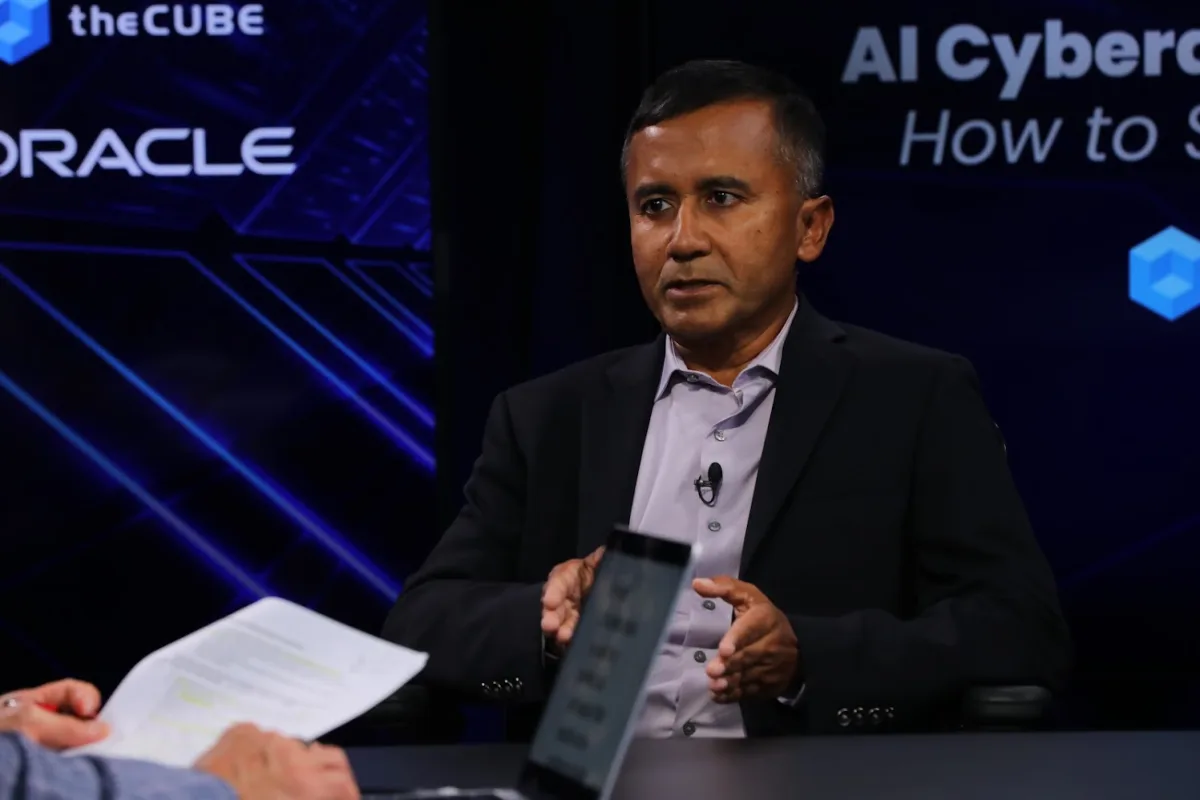
Ashish Ray, senior vice president of Oracle Database product management, outlined the stakes in remarks at Oracle's "AI Cyberattacks Are Escalating: How to Secure Your Data Now" event. "These days, with the advent of all these vicious ransomware attacks, we not only have to protect the production systems, we also have to protect the backup systems," Ray explained. "This means the backup systems by themselves have to be a different system, different levels of control, different ownerships, different network segregation. All of these have to happen at the same time, plus immutable backups, plus data encryption. All these technologies come together as part of Oracle's resilient data architecture."
Trusted data resiliency
A critical component of Oracle's architecture is the ability to confirm data integrity and restore systems to a known, valid transactional state. Ray emphasized the importance of precision in this process. "When we talk about resilience, it has to be trusted resilience," he said. "It means you have to recover to a known valid transactional state, and that should lead to business outcomes. The beauty of all of these technologies is it can mark the state at a very granular point. You can go back to the granular point without any data loss. That's what really trusted data resilience is."
Validating that backups will actually function during a recovery scenario is equally important. Oracle's Recovery Appliance continuously verifies backup integrity as data arrives and checks whether recovery will succeed, catching corruption or missing data before restoration is attempted.
https://www.youtube.com/embed/8ReuvUa7O28?feature=oembed
Ray used a striking analogy to illustrate the risk of unvalidated backups: "Data that is backed up but cannot be validated is Schrödinger's data. The data could be backed up, and you cannot rest on the laurels because the moment when you start trying to restore, recover the data and use it, you may find out that the data cannot be used because maybe there was some underlying validation checks, underlying corruptions that happen, the data could be compromised."