Micro Center Imposes Export Restrictions on RTX 5090 Purchases
The retailer now requires buyers of Nvidia's flagship GPU to sign a declaration form and provide personal identification, citing export controls on advanced computing hardware.
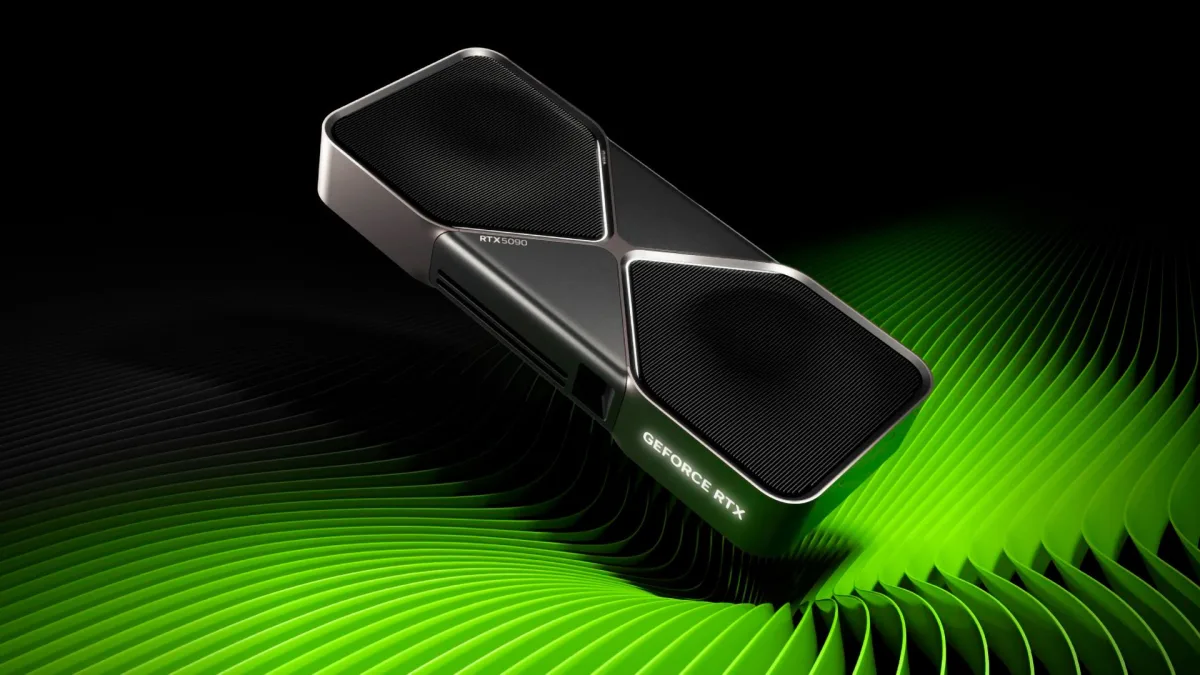
Micro Center has begun enforcing a new purchasing requirement for customers buying the RTX 5090 graphics card. A shopper at the Tustin, California location reported being asked to complete an Advanced Computing Product Purchaser Declaration form before completing their transaction for a PowerSpec AI90 Workstation equipped with an AMD Ryzen 9 9950X processor, RTX 5090 Founders Edition GPU, 64GB DDR5-6000 memory, and 2TB solid-state drive.
The declaration requires prospective buyers to supply their full legal name, residential or business address, government-issued photo identification, contact information via phone and email, the actual end user if different from the purchaser, the installation location, and the intended application. The form explicitly states: "NO EXPORT - NO EXCEPTIONS. Micro Center will not sell this product to a purchaser who intends to export, reexport, resell, transfer, or otherwise cause it to leave the United States, regardless of destination."
The retailer has not disclosed when or why it implemented this policy. Some customers reported that they were not required to complete such documentation in previous purchases, though at least one buyer indicated experiencing a comparable but more extensive form when acquiring a GPU from Central Computers the previous summer.
Export restrictions on graphics processors with the computational capabilities of RTX 4090 or higher took effect in November 2023, targeting shipments to China. Recent enforcement efforts have intensified, with a notable case involving three Supermicro employees, including co-founder Yih-Shyan "Wally" Liaw, facing suspicion of illegally transferring approximately $2.5 billion in Nvidia equipment to China. Separately, anecdotal accounts describe individuals purchasing multiple used RTX 5090 units domestically, arriving with portable testing equipment and conducting cash transactions with sellers.
The effectiveness of Micro Center's declaration forms in preventing GPU smuggling remains uncertain, particularly since the documents do not capture the serial number of the specific unit being sold. The measure may primarily serve as a deterrent for casual resellers who purchase high-end components and resell them at markup prices, whether to domestic or international buyers.