Leaked Factory Footage Reveals Industrial-Scale Dismantling of RTX 5090s for AI Servers in China
Video evidence shows Chinese conversion factories systematically harvesting components from thousands of consumer GeForce RTX 5090 graphics cards, including Nvidia Founders Editions, to repurpose them for AI infrastructure.
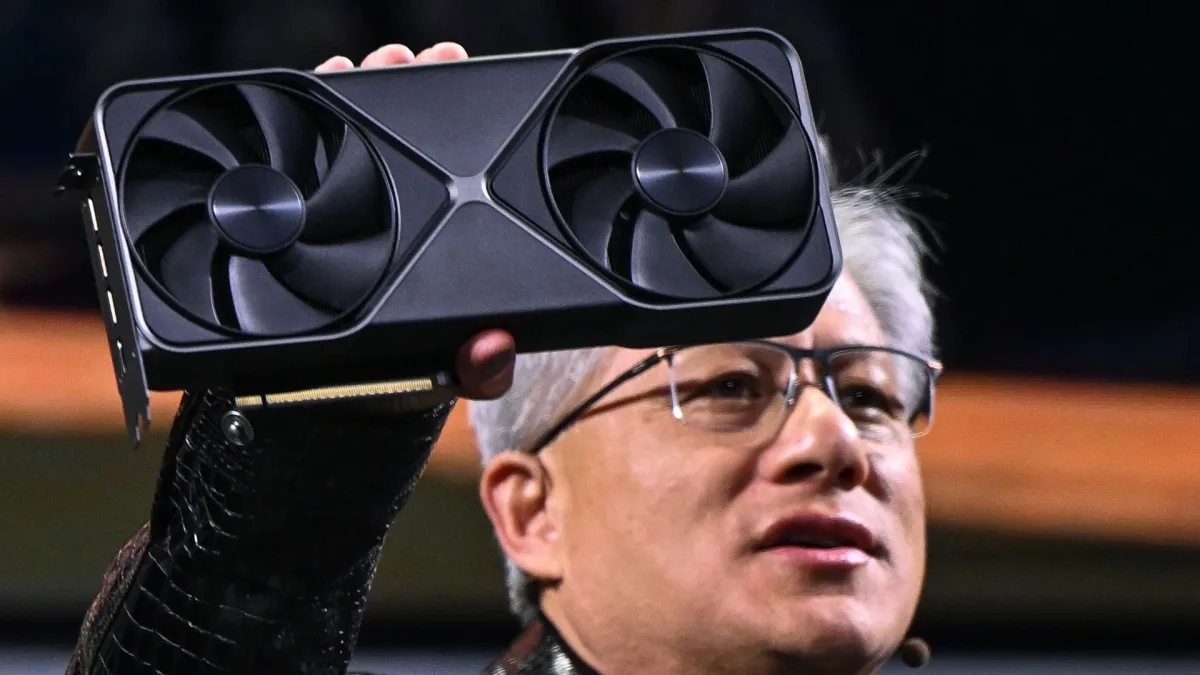
The scarcity of GeForce RTX 5090 graphics cards on retail shelves traces back to a sprawling network of conversion operations across China. Recently disclosed video footage exposes how industrial workshops are systematically extracting components from brand-new consumer GPUs to feed the artificial intelligence boom, with technicians desoldering the flagship GB202 silicon and GDDR7 memory chips from the cards and transplanting them into dual-slot blower designs optimized for server deployment.
The GeForce RTX 5090 units destined for these Chinese factories arrive through grey-market supply chains, despite the graphics card lacking official availability in the country. Middlemen continuously source inventory from Nvidia's partner models and the company's highly sought Founders Edition to feed production lines that operate at massive scale, with workers processing what appears to be thousands of units daily.
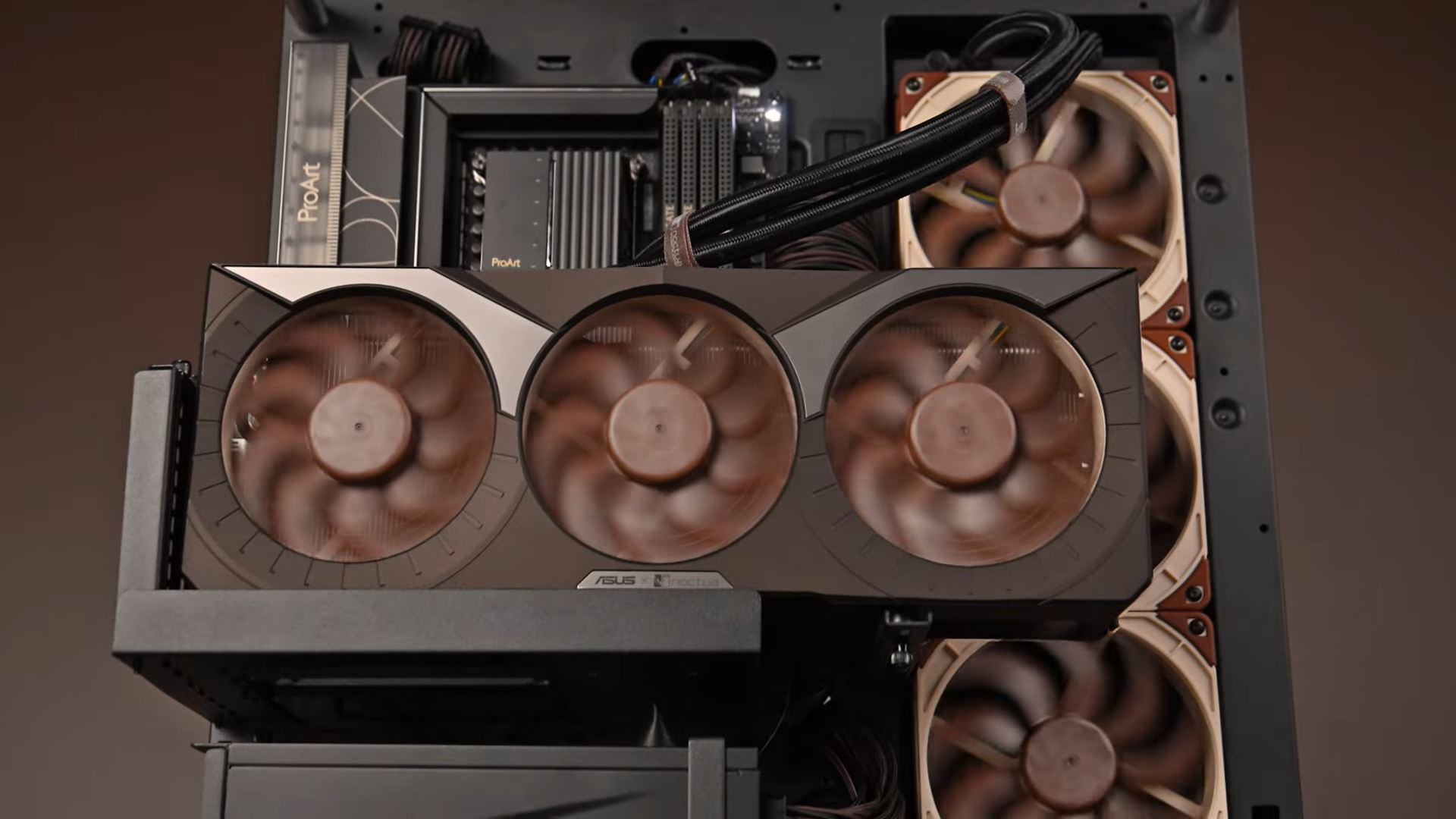
Inside these workshops, the conversion process follows a methodical assembly-line approach. Workers remove the original triple-fan cooling architecture and extract the complete PCB circuit board. The GPU and memory components are then transplanted onto a new PCB equipped with a compact two-slot turbine blower cooling system designed to fit the dense thermal and spatial requirements of server racks. After rigorous testing and validation on dedicated test platforms, the modified cards are repackaged and shipped to data centers and AI laboratories.
The engineering rationale behind this conversion is straightforward: consumer-grade high-end graphics cards typically employ three-fan cooling designs that occupy three to four expansion slots and exhaust heat internally, making them incompatible with the tight spacing of 4U servers or multi-card configurations. The dual-slot turbine design redirects exhaust heat directly out the rear of the chassis, dramatically improving thermal efficiency and spatial compatibility in dense server environments.
Nvidia has reportedly ceased production of the GeForce RTX 5090 and is redirecting the silicon toward higher-margin professional GPUs such as the RTX Pro 6000 Blackwell. Meanwhile, the Chinese conversion network continues operating at full capacity. This combination of redirected supply and aggressive grey-market recycling has effectively depleted GeForce RTX 5090 inventory from U.S. retail channels.
The market dynamics have become extreme. Custom GeForce RTX 5090 graphics cards now command prices approaching $8,500, a level that places them beyond the reach of most gaming consumers. An unexpected workaround has emerged: prebuilt gaming systems equipped with the RTX 5090 sometimes cost less than purchasing the graphics card alone, while delivering a complete system with manufacturer warranty. The inversion of traditional pricing logic—where a full computer costs less than a single component—underscores the severity of the current shortage and the distortion of the consumer GPU market.