German hotel's safety system fails during Microsoft outage, sickening 15 guests with chlorine gas
A maintenance system for a sauna that depended on Microsoft Outlook to alert operators of dangerous chlorine levels broke down during the November cloud services disruption, resulting in poisoning incidents and emergency response.
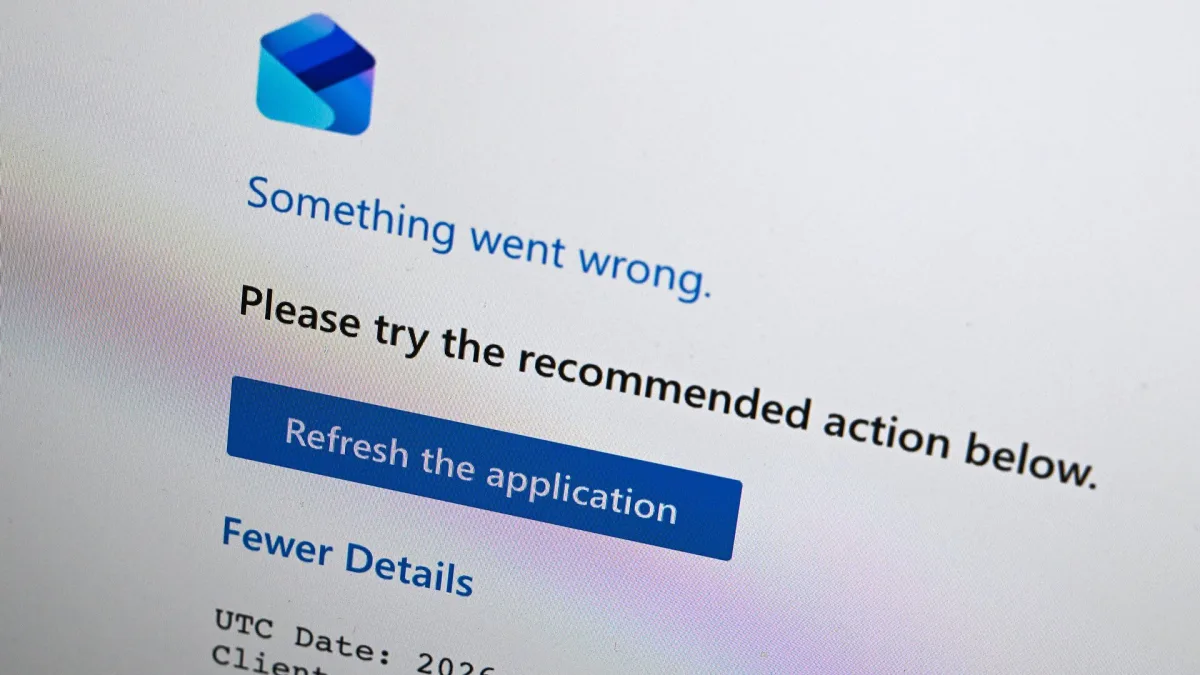
Fifteen individuals at a German hotel fell ill from chlorine gas exposure after the recent Microsoft cloud infrastructure failure disabled the facility's safety monitoring system. The sauna's automated alert mechanism was designed to transmit email notifications through Outlook whenever chlorine concentrations exceeded safe thresholds, but the outage prevented these warnings from reaching staff. The disruption allowed hazardous gas levels to accumulate unchecked. Emergency responders deployed 40 personnel to the location, with four patients transported to medical facilities and one kept for continued observation, according to reporting from Notebookcheck.
Microsoft's service interruption spanned from November 12 through November 14, affecting Outlook alongside other cloud offerings globally. The incident prompted some Japanese companies to revert to fax technology as a workaround to maintain operations. While less extensive than the 2024 CrowdStrike incident that crippled corporate systems worldwide, this outage demonstrates how cloud dependency can create physical safety hazards.
Design flaws in critical systems
The situation underscores a fundamental risk when organizations rely on internet-connected services to manage safety-critical operations. System designers must incorporate redundant safeguards—either mechanical backups or manual procedures—that function independently when digital infrastructure fails. Staff must receive training on these alternatives and understand how to activate them. Alternatively, companies can maintain proprietary infrastructure, develop custom automation locally, and eliminate external dependencies, though this approach demands greater technical investment and still faces vulnerabilities such as power outages affecting on-site systems.
Concentration of risk in major platforms
The outage reflects a broader structural challenge: the technology sector's concentration among a handful of dominant providers. Microsoft, Google, and Amazon Web Services benefit from economies of scale that enable competitive pricing and operational reliability compared to smaller alternatives or self-hosted solutions. However, this consolidation means that service disruptions at these giants cascade across millions of dependent organizations, potentially halting economic activity across sectors.