Fujifilm Bets $63 Million on Tape as AI Data Explosion Drives Archiving Demand
The imaging company will quintuple production capacity at its Japanese facility through 2028, betting that generative AI's data hunger will sustain decades-old magnetic tape technology as the enterprise world's preferred cold storage solution.

Fujifilm announced Thursday a roughly 10 billion yen (approximately $63 million) capital commitment to expand magnetic tape production by five times, capitalizing on what the company sees as surging demand from data centers and cloud operators. The company attributes this unexpected renaissance for tape technology to the rapid expansion of generative AI systems, which it says is driving "exponential growth" in global data storage requirements. The production increase will be measured relative to fiscal year 2025 output levels.
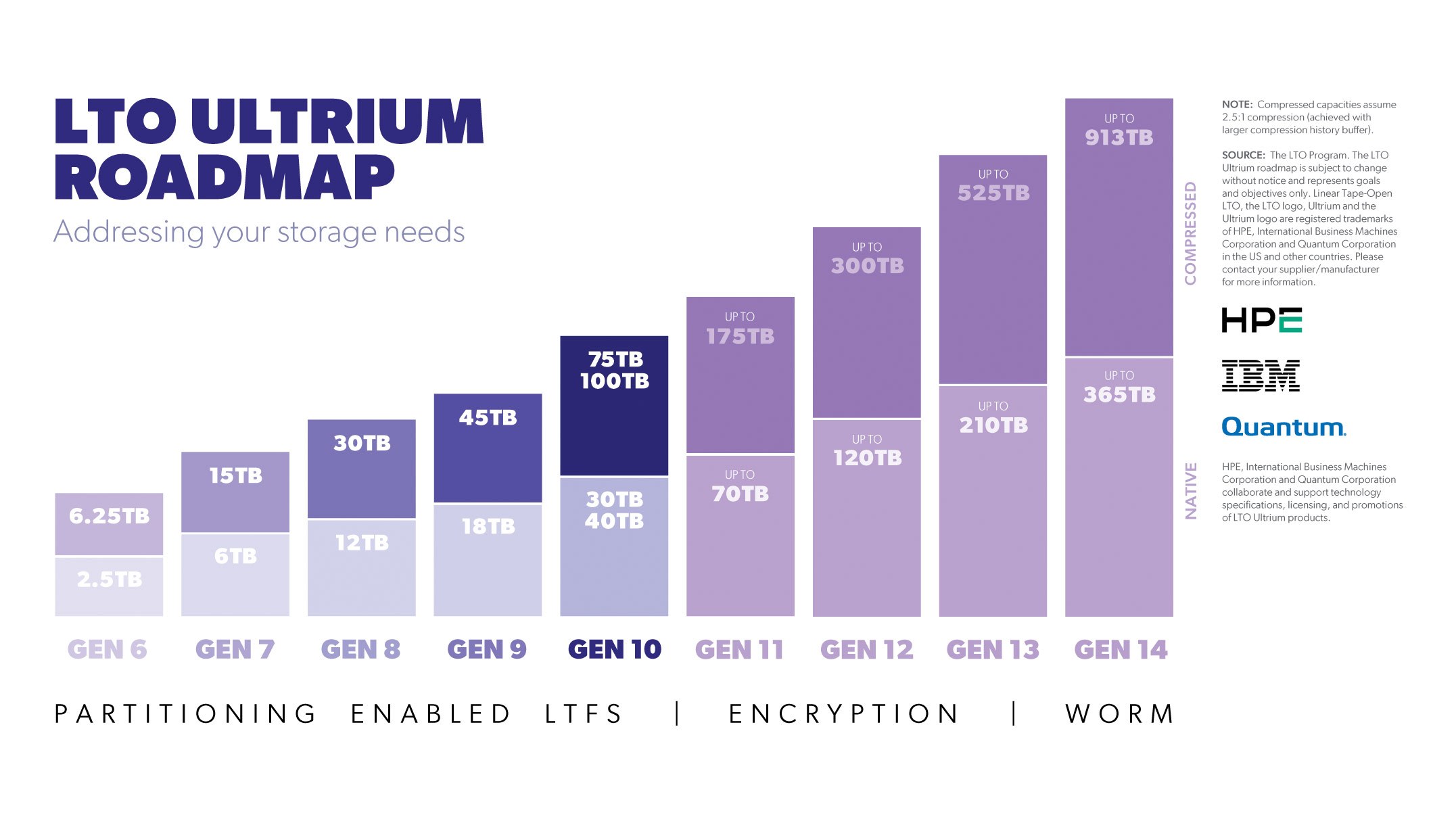
The Kanagawa Factory in Odawara will receive the investment, marking what Fujifilm describes as "the largest investment Fujifilm has made to date in dedicated LTO tape facilities." Spanning fiscal years 2026 through 2028, the project will fund factory expansion and workforce additions, with output focused on the latest-generation "FUJIFILM LTO Ultrium10" tape cartridges.
While consumers largely abandoned tape storage in previous decades, enterprise data centers never stopped relying on it. Fujifilm's involvement with magnetic tape stretches back to the 1950s, and the company introduced its first LTO Ultrium storage tape in 2000. The company pioneered commercial production of barium ferrite magnetic particles in 2011, and earlier this year debuted LTO Ultrium10, which employs what Fujifilm calls "fine hybrid magnetic particles" by blending barium ferrite with strontium ferrite technology. Each successive generation has delivered substantial gains in both compressed and uncompressed storage capacity.
Fujifilm notes that "major cloud service and data center operators" have been expanding tape deployment because the medium delivers high-capacity storage at comparatively modest cost. Tape cartridges offer physical flexibility—they can be removed from systems and stored in drawers, secure vaults, or remote locations. The company underscores a critical security advantage: "Given the sophistication of cyberattacks, magnetic tape is attracting increasing attention as a means of protecting data from threats such as ransomware." Air-gapped tape provides a final safeguard against data loss when systems face compromise.