Intel's Israeli Fab Explosion Triggers $600M Loss and Six-Month Server Chip Shortage
An October explosion at Intel's Fab 28 in Israel forced a two-week shutdown that will cost the chipmaker roughly $600 million and disrupt Xeon processor shipments across two consecutive quarters.
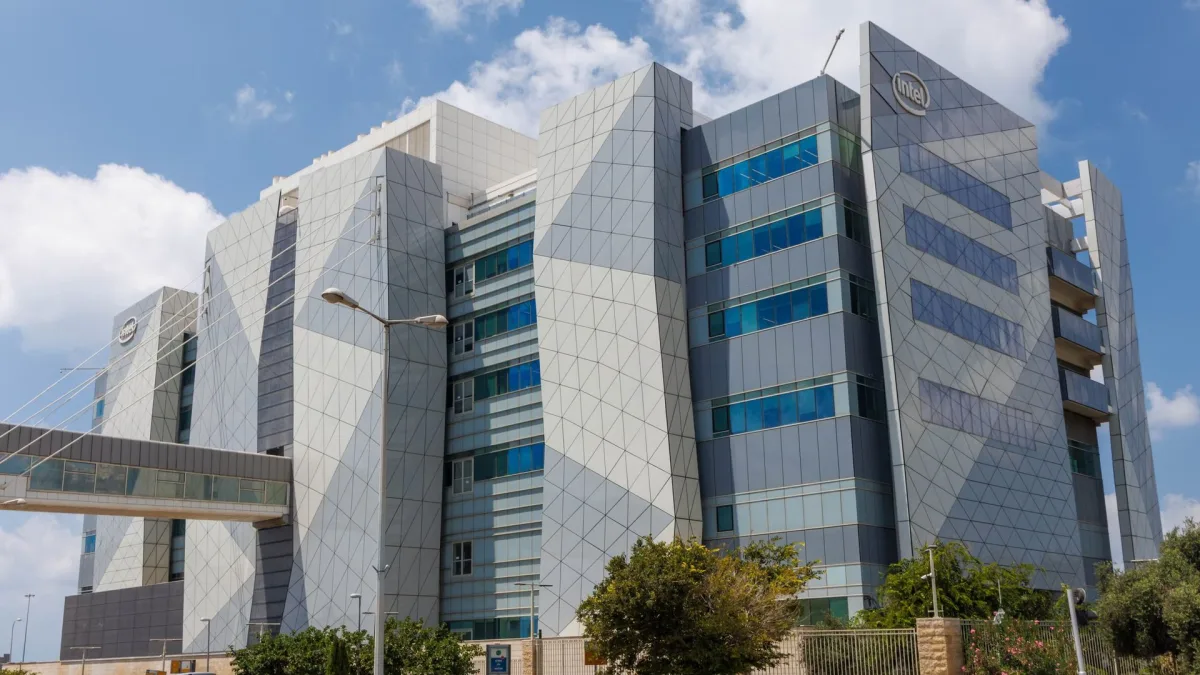
Intel's manufacturing facility near Kiryat Gat, Israel, sustained an explosion earlier this month that necessitated a complete two-week closure. The incident is now projected to inflict approximately $600 million in revenue losses spread across two quarters, with particular damage to server processor output manufactured on Intel's 10nm-class and Intel 7 process nodes.
During Intel's earnings presentation, Chief Financial Officer Dave Zinsner stated: "In Israel, we have been shut down for about two weeks. We feel like we are going to be starting up production here by the end of this week." The blast, which occurred in mid-October, resulted in two fatalities and one serious injury. Intel anticipates a $300 million revenue reduction in the fourth quarter of 2026, with an equivalent impact expected in the first quarter of 2027. The company also forecasts a roughly 2 percentage point decline in Q4 2026 non-GAAP gross margin.
The facility manufactures chips using Intel 10nm-class and Intel 7 process technologies, the latter formerly designated as 10nm Enhanced SuperFin. While Intel has declined to specify which Xeon processor families face disruption, the number of damaged wafers, or the timeline for Fab 28 to achieve full production capacity following its restart, the company confirmed that server processor output will be constrained through early 2027.
Current-generation Xeon 6 processors incorporate compute dies built on Intel 3 technology but rely on I/O dies produced using Intel 7. Concurrently, Intel continues shipping prior-generation Xeon 5 Emerald Rapids processors and Xeon 4 Sapphire Rapids units—though the latter stopped accepting new orders in late September—both manufactured on Intel 7.
Intel operates multiple fabs capable of 10nm production, including Fab 12, Fab 22, Fab 32, and Fab 42 in Arizona alongside Fab 28 in Israel. However, the disruption arrives as the company grapples with robust demand for server processors, leaving limited capacity to fully compensate for Fab 28's offline output by reallocating production elsewhere. Intel will not redirect I/O die manufacturing lines designated for Xeon 6 toward legacy CPU production, and other facilities may lack the necessary product-specific qualifications or face prohibitive costs and timelines for transferring production given Fab 28's imminent restart.
Beyond halted production, Intel must contend with potential losses from wafers in progress during the explosion. The company is currently evaluating work-in-progress inventory to determine which wafers remain salvageable and which require write-off. Zinsner indicated that the majority of wafer write-offs will concentrate in Q4 2026, accounting for the gross-margin pressure in that quarter despite shipment disruptions persisting into Q1 2027.
Please note almost all of the $300 impact from Fab 28 is related to 10nm server products
Dave Zinsner, Intel CFO
While Intel emphasizes that the shutdown chiefly impacts 10nm-class server processors, the company has not clarified whether client processor shipments will also suffer disruption. Fab 28 potentially manufactures Intel 7-based client CPUs, including 12th, 13th, and 14th Generation Core processors such as Raptor Lake. The extent to which Intel can offset any lost client CPU production through increased output at other Intel 7-capable fabs remains undisclosed, leaving open the possibility that consumer processor availability could also be affected.