Micron hands out five years of salary in bonuses to Taiwan workers amid union tensions
The memory chipmaker is distributing three separate bonuses to select employees and introducing a quarterly profit-sharing plan, even as its workforce continues to push for better pay agreements.
Micron is distributing bonuses equivalent to five years of salary among roughly 700 of its Taiwan-based workers in a single combined payout, the company announced recently. This group represents approximately 17% of Micron's more than 4,300 production-line staff in Taiwan. The remaining workforce will also receive three separate bonuses in October, though the amounts differ. The move comes as Micron grapples with labor disputes and union demands for improved compensation.
The bundled bonus package consists of three distinct components: an annual performance bonus ranging from 7.5 to 12.5 months of salary for most workers, a mass-production bonus equal to 20% of yearly earnings, and a standalone $31,000 (NT$1,000,000) appreciation payment that will be adjusted proportionally for employees below one year of tenure. Starting in January 2027, Micron workers globally will also receive a new quarterly profit bonus split evenly between cash and company stock, with the initial payment delivered entirely in cash.
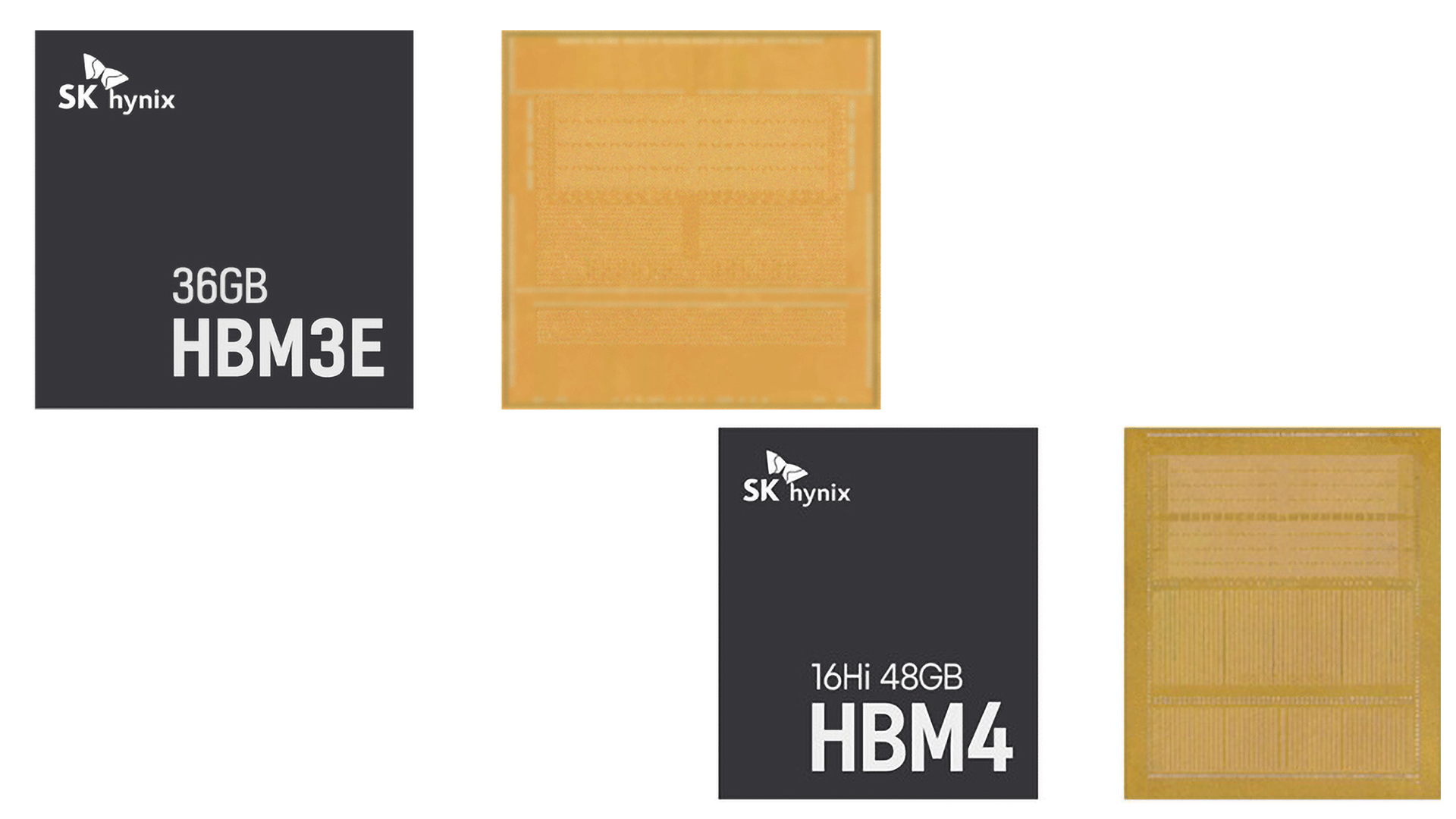
Micron's approach mirrors recent actions by Samsung and SK hynix, which have distributed bonuses reaching $400,000 to their workforces. The surge in compensation reflects the artificial intelligence-driven demand for memory chips, which has generated exceptional orders for the three dominant manufacturers—Micron, Samsung, and SK hynix—from major AI infrastructure operators. The extraordinary profits generated by this market expansion have prompted production workers to seek a portion of the gains. Samsung workers approved an average $340,000 bonus in May 2026, while SK hynix employees are receiving $477,000 in bonuses this year with potential increases to nearly $900,000 in 2027.
Despite the substantial bonus announcement, Micron's Taoyuan facility union remains locked in negotiations with management over compensation terms. Union representatives have already staged a one-day strike demanding explicit profit-sharing frameworks and bonus criteria, with nearly 70% of Taoyuan members rejecting management's most recent proposal. The parties are scheduled to resume talks on November 6. In contrast, the Taichung facility union has already secured an agreement that includes a 10% employer contribution to worker pensions and a threefold increase in day-shift premiums.
These bonus structures enable workers to participate in the exceptional profits chipmakers are currently generating, helping the companies retain skilled production talent. However, the structure's dependence on performance and profit metrics creates vulnerability; bonuses could decline sharply if AI market demand softens and the industry returns to typical demand cycles.