Bluetooth SIG Unveils High Data Throughput Standard, Opening Door to Lossless Wireless Audio
The Bluetooth Special Interest Group announced a new HDT feature on November 4 that quadruples bandwidth capacity, potentially addressing long-standing complaints from audio enthusiasts about wireless compression.
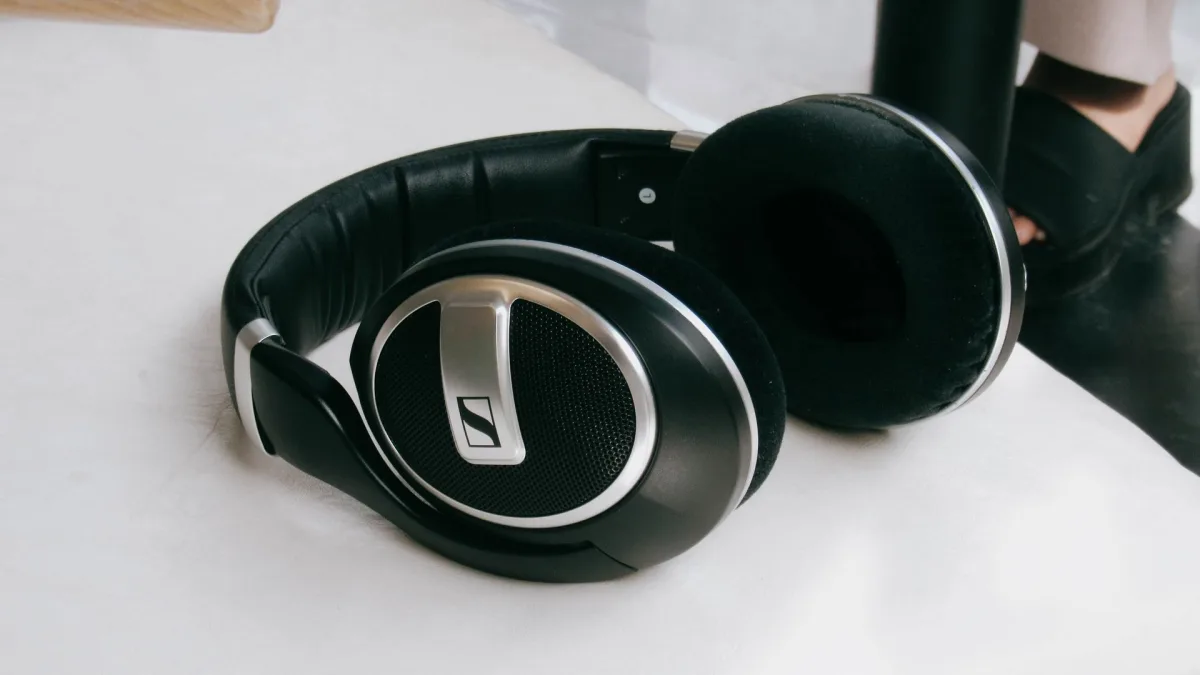
For years, those passionate about sound quality have voiced frustration with Bluetooth's limitations. The newly introduced High Data Throughput capability could finally deliver the wireless convenience that audiophiles have been seeking.
On November 4, the Bluetooth Special Interest Group (SIG) unveiled Bluetooth High Data Throughput (HDT), a feature that supports maximum bandwidth of 7.5 Mbps—nearly four times the throughput of the preceding Bluetooth LE 2M standard, which topped out at 2 Mbps. This expanded capacity targets demanding use cases including artificial intelligence, spatial computing, and transmission of lossless audio, the latter representing a potential breakthrough for those who prioritize uncompressed sound.
Bluetooth HDT addresses a gap in wireless technology by enabling up to 7.5 Mbps of throughput. Contemporary devices—ranging from smartwatches to AI systems to extended reality (XR) applications—require substantial data exchange capabilities. While some applications demand moderate bandwidth at high performance levels, lossless audio has remained out of reach for Bluetooth until now, as the standard previously lacked sufficient capacity for uncompressed audio streaming.