AMD Revived the 5800X3D as a Final Gift to AM4 Users, Executive Explains
AMD Director Travis Kirsch revealed that CEO Lisa Su championed the resurrection of the Ryzen 7 5800X3D, a decision made well before memory market turbulence struck the industry.
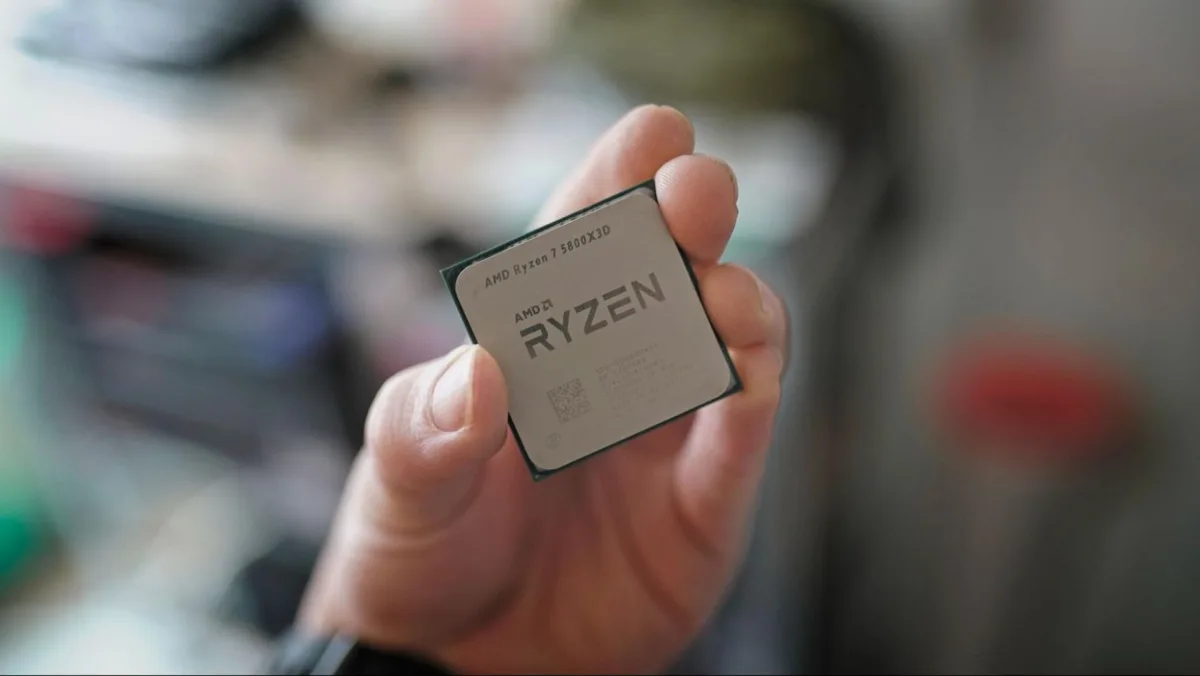
In an interview with a Japanese tech publication, AMD Director of Client Product Management Travis Kirsch disclosed the reasoning behind the company's decision to resurrect the Ryzen 7 5800X3D. According to Kirsch, AMD CEO Lisa Su was instrumental in pushing for the return of the processor that originally launched in April 2022.
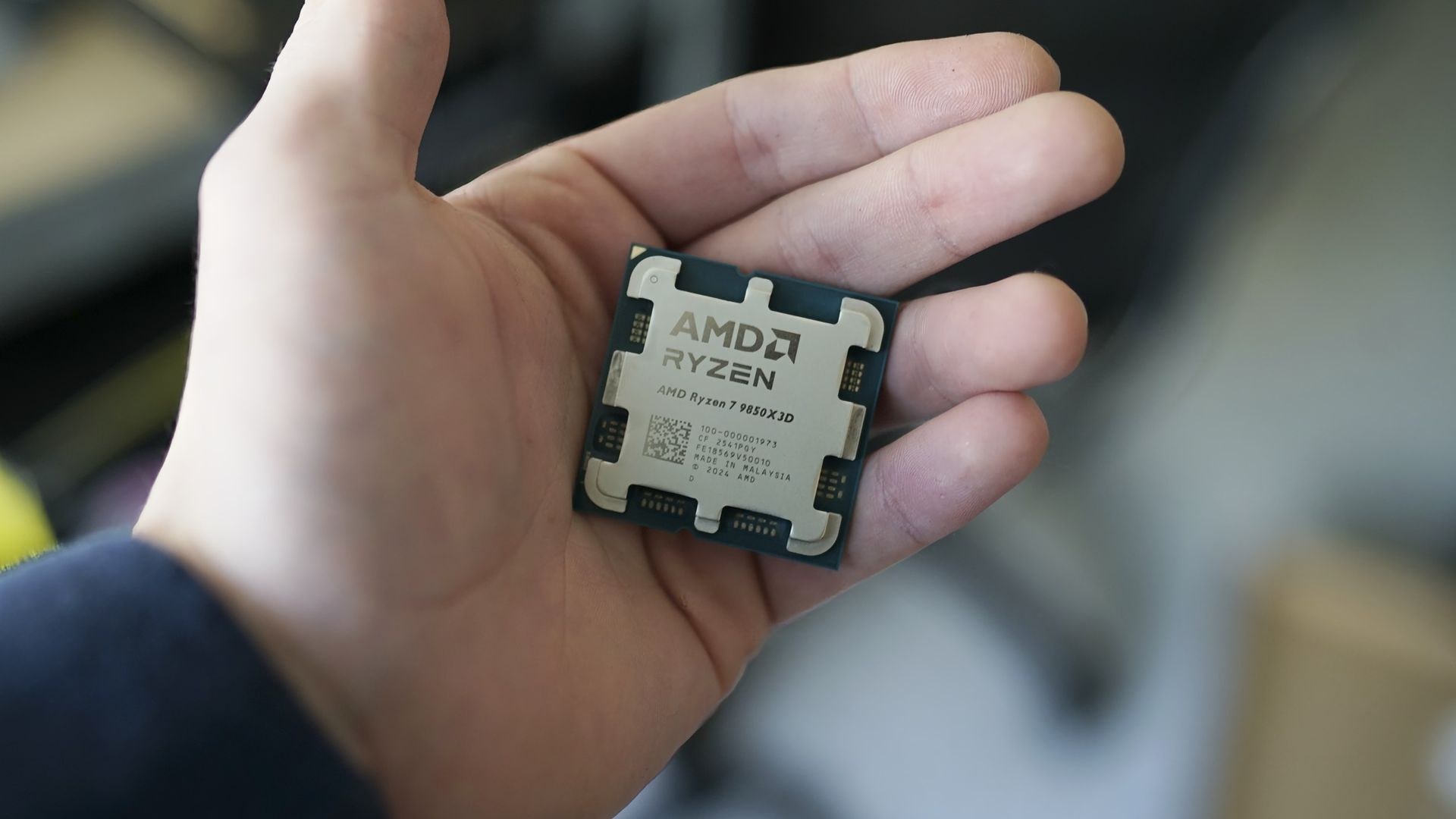
Bringing the chip back proved far more complex than a straightforward reissue. AMD undertook substantial re-engineering work and collaborated with TSMC to modernize the manufacturing process required to produce the processor again. The timing of the relaunch aligned with broader market conditions, though not in the way some observers might have assumed.
Kirsch emphasized that "this was planned before changes in the memory market occurred, not as a countermeasure to DDR5 shortages," and characterized the move as "the final gift to local users who have used our AM4 for nearly a decade, offering systems that use DDR4 the last change to upgrade their PCs."
The Entry-Level Question
The conversation also touched on AMD's positioning in the budget segment. Currently, the company offers just four Ryzen 3 processors across its lineup—one for the AM5 socket and three for AM4—prompting questions about whether AMD is retreating from the entry-level CPU market.
Kirsch acknowledged that while AMD strives to maintain products at every price tier, the company has concentrated its efforts on the premium and high-performance gaming space. This strategic focus is reflected in market data: the October Steam Survey showed AMD capturing 48.4% of CPU share, narrowing the gap with Intel. Regarding affordable processors, Kirsch noted that "it's no longer as big as it used to be, as laptops have taken over this segment."
On Market Dynamics
When the conversation turned to memory chip availability and pricing—a persistent industry concern—Kirsch offered a measured perspective. He stated that "there are things we can control and things we cannot. Market price trends are the result of everyone moving (and there's nothing we can do about it)."
Despite external pressures, Kirsch underscored AMD's commitment to consumer choice. "We are simply focused on providing consumers with choices in any situation. This is to ensure that consumers have the opportunity to purchase the best AMD PCs, regardless of the price."