AMD Expands Budget CPU Lineup With Ryzen 5 5500F and Ryzen 5 7500 Models
AMD has introduced two new processors aimed at cost-conscious builders, offering alternatives to pricier six-core chips while navigating the challenging economics of current memory and graphics card markets.
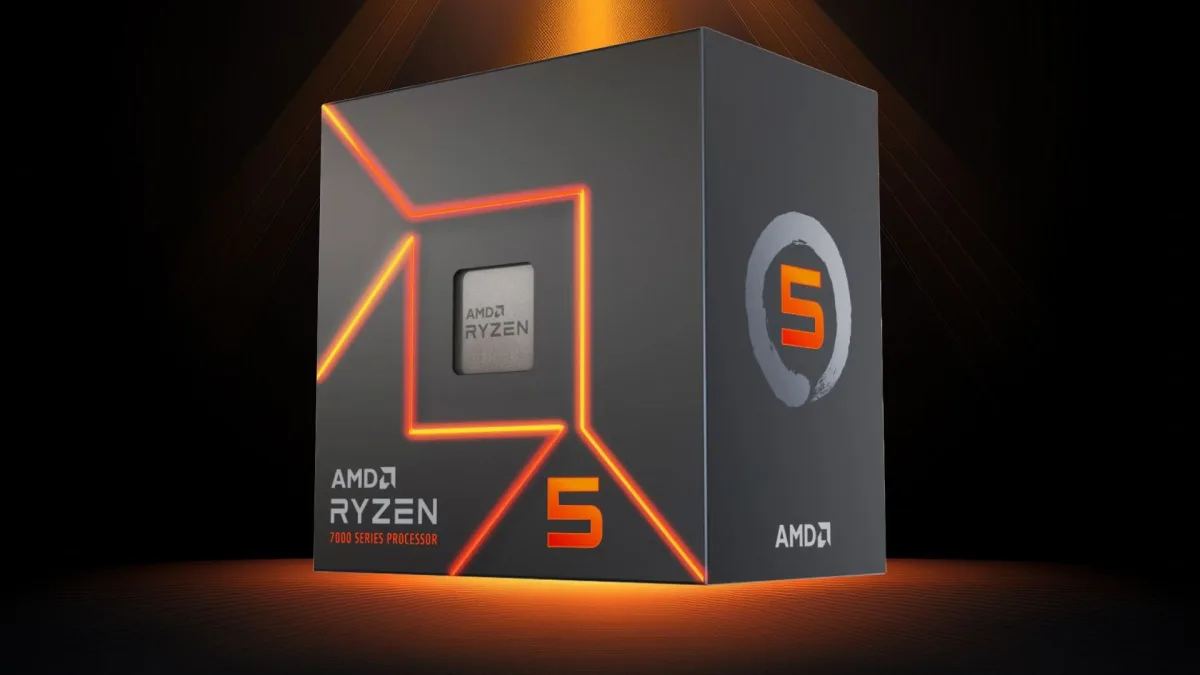
Affordable Six-Core Options Without Premium Pricing
The newly launched Ryzen 5 5500F delivers significant savings compared to its higher-tier counterpart. The Ryzen 5 5600 originally commanded $199 at launch but now sells for approximately $159 in retail channels, putting the Ryzen 5 5500F at roughly 38% less expensive. The earlier Ryzen 5 5500 model, which debuted at $159, has experienced considerable price depreciation; OEM tray variants currently begin at $74, representing the most economical way to enter the AM4 socket ecosystem. The Ryzen 5 5500F carries a 34% price premium relative to the Ryzen 5 5500, justified by its marginally elevated boost clock frequencies that yield improved gaming results and compatibility with PCIe 4.0 technology, enabling faster storage devices and graphics solutions.
Ryzen 5 5500F and Ryzen 5 7500 Specifications
Distinctions between the Ryzen 5 7600 and the newly released Ryzen 5 7500 merit consideration. The Ryzen 5 7600 features a 100 MHz advantage in both base and boost clock speeds, delivering somewhat superior performance in computationally demanding applications and certain gaming workloads. For typical users, however, this performance gap may prove imperceptible.
The Ryzen 5 7500F launched at $179 before declining to approximately $157 in current retail pricing. By contrast, the Ryzen 5 7600 has maintained stronger value retention, dropping only marginally from its original $229 MSRP to around $226. The Ryzen 5 7500 occupies a middle ground, priced 16% below the Ryzen 5 7600 while sitting 20% above the Ryzen 5 7500F.
The Ryzen 5 7500 appeals to builders who prioritize productivity over gaming, since its integrated graphics eliminate the necessity for a separate graphics card purchase at today's inflated component costs. However, the processor's reliance on AMD's AM5 platform saddles users with the elevated expense of DDR5 memory, which remains a significant cost factor in system builds.