Cloudera positions portability as the answer to enterprise AI lock-in fears
As companies seek greater control over AI workloads amid regulatory pressure and rising costs, data platform vendors are shifting their pitch away from proprietary solutions toward multicloud flexibility.
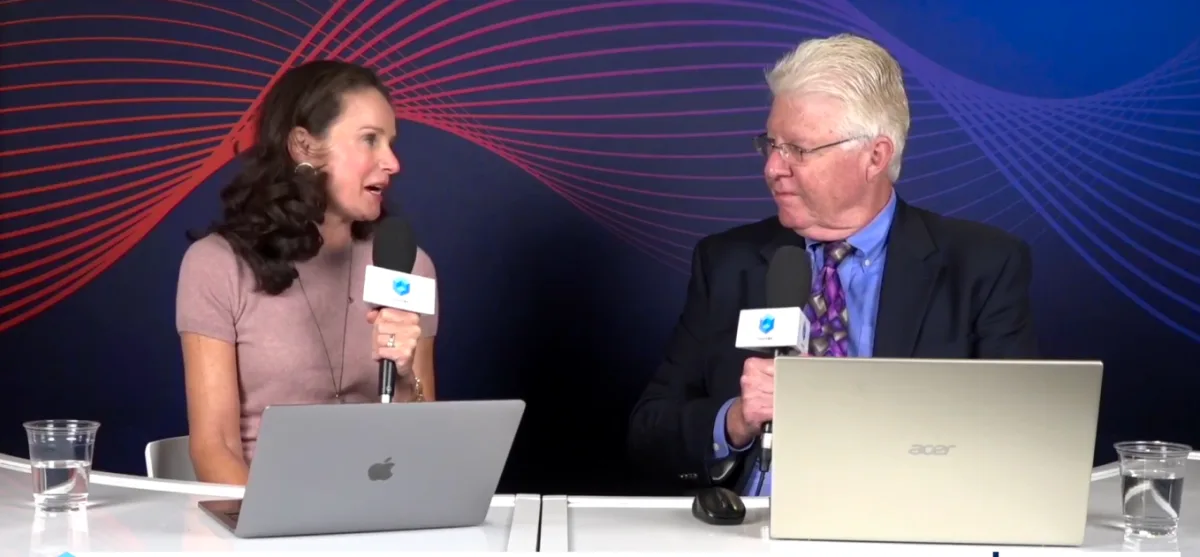
Organizations pursuing AI automation are discovering that infrastructure placement carries as much weight as model capability. Regulatory requirements, escalating token expenses and concerns about vendor dependency are motivating enterprises to seek increased autonomy over their AI operations.
This shift is reshaping how data infrastructure companies frame their competitive positioning. Cloudera Inc., which originated in the Hadoop ecosystem before transitioning to a unified data layer spanning multiple clouds and on-premises deployments, is now marketing itself as an anywhere cloud for AI. According to Paul Gillin, enterprise editor of SiliconANGLE Media Inc., "I think big companies decided a long time ago. They didn't want to be beholden to a single cloud provider and that's sort of baked into the landscape now. I think what's different about Cloudera is that they're strong proponents of on-premises infrastructure, of sovereign clouds, of companies being able to run their workloads wherever they want and move from one to another."
Sovereign AI and purpose-built agents drive AI automation
Discussions at EVOLVE26 repeatedly highlighted sovereign and private AI as central concerns. Enterprise surveys identify regulation as the primary driver behind the desire to maintain AI systems within organizational boundaries. Open-weight models have emerged as a viable path forward, expanding from roughly 20% of token consumption two years prior to exceeding 80% currently, according to Gillin. Cloudera is simultaneously integrating agentic workflows throughout its data services portfolio. General-purpose agents remain largely a consumer-oriented application, Gillin explained.
"They're more of an office worker tool, but the Cloudera agents are tuned to managing data," Gillin said. "To managing workloads, optimizing GPU capacity, the types of things that really concern CIOs, because they're paying the bills for these very high training costs."
Since agent deployment alone no longer provides meaningful differentiation, Cloudera is reinforcing its established multiplatform strategy. The company is extending the portability that enterprises demanded from cloud services to encompass AI models themselves, according to Gillin. Before adopting such a strategy for AI automation, technology leaders will need assurance regarding agent governance, the documentation of agent actions and the capacity to explain agent reasoning to regulatory bodies, he noted.
"This is a very big issue with agents right now," Gillin said. "It's still a wild west out there with agents."