AI's appetite for chips is starving PC makers of circuit boards, with lead times now stretching past 2028
Surging demand from artificial intelligence companies is consuming PCB manufacturing capacity at an unprecedented rate, leaving traditional computer and device makers scrambling for supplies they cannot obtain for years.
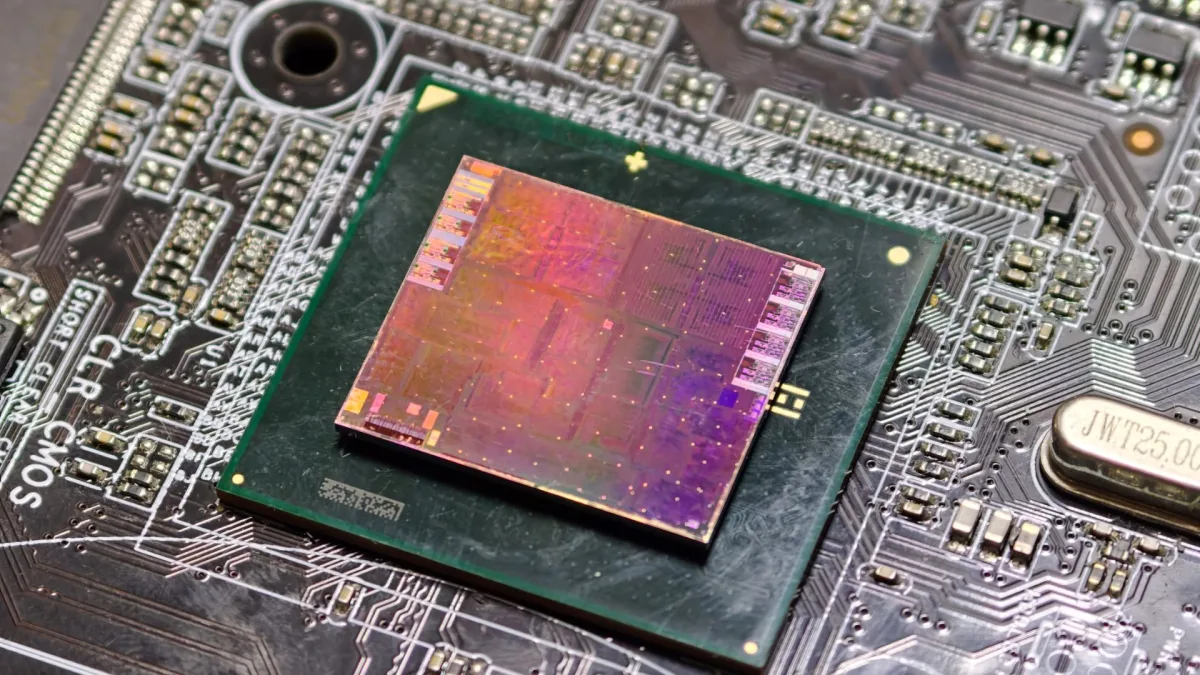
The artificial intelligence sector's voracious consumption of manufacturing capacity is now reaching into the printed circuit board industry, a segment long considered a commodity backbone of electronics production. Shortages and price increases that have already hit RAM, GPUs, and solid-state drives through 2026 are now spreading to PCBs themselves, according to reporting from Nikkei Asia that gathered perspectives from multiple executives across the supply chain.
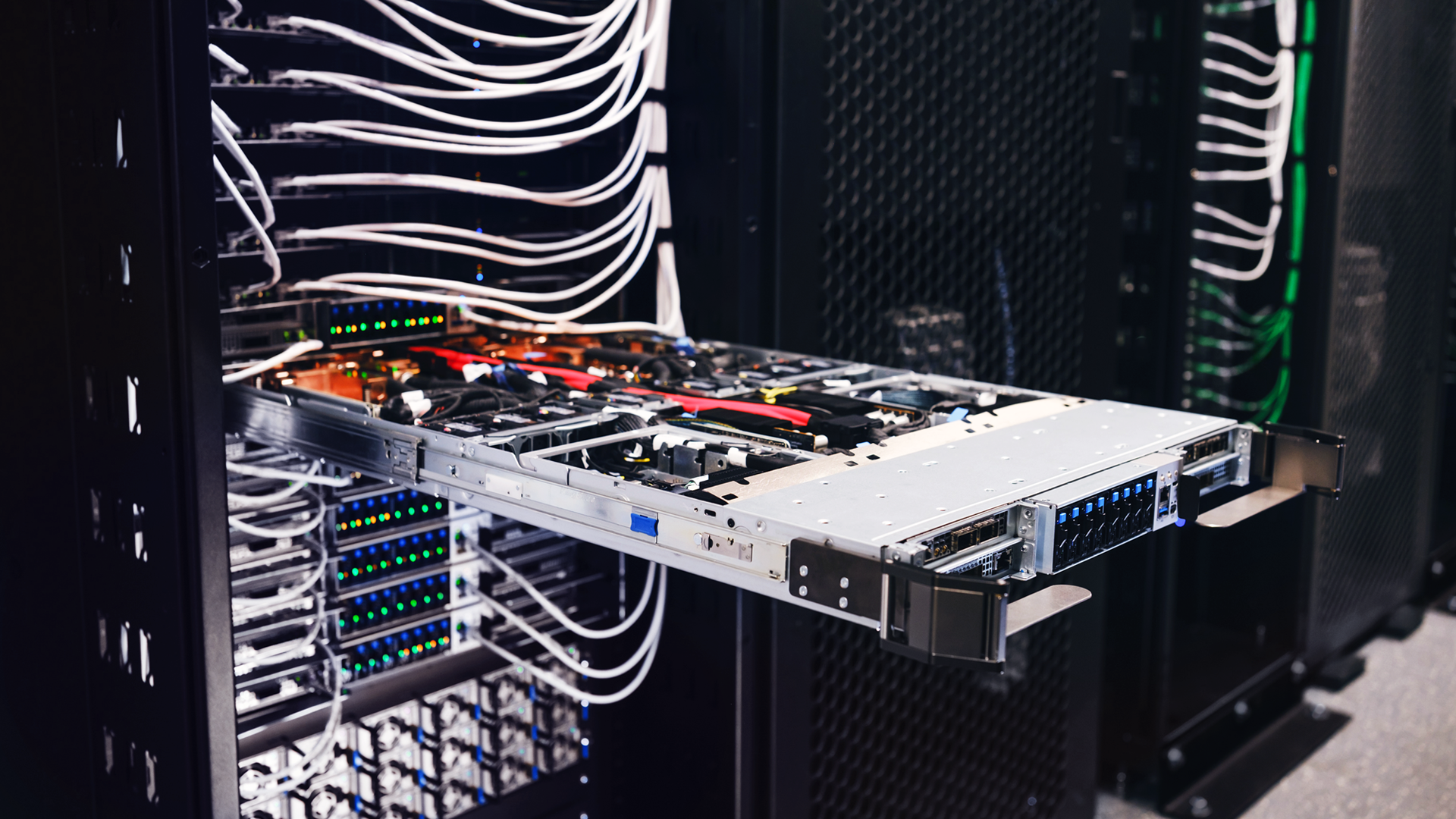
An anonymous manager at a major American PC manufacturer told Nikkei that the company faces acute difficulty acquiring sufficient PCB supplies despite expectations that PC shipments may decline next year. "Even though PC shipments could decline again next year, we are still struggling to secure enough PCB supplies to meet our needs," the executive said, describing challenges in planning products for the coming year. Industry observers attribute much of the constraint to AI computing operations consuming available production capacity and paying premium prices for priority access.
Conversations with suppliers further up the supply chain reveal the severity of the situation. A number of PCB products now face lead times that have doubled, with some orders requiring as long as 30 months to complete. One PCB supply company indicated to Nikkei that orders placed today would not ship until late 2028. Meanwhile, PCB manufacturers are planning capacity expansions, but they must first secure upstream materials including copper clad laminates and specialized fiberglass.
The cost dynamics are equally striking. A Taiwanese PC maker reported that copper clad laminate prices have climbed at least 12 times since July. One of the world's largest CCL suppliers disclosed to Nikkei that its order book is now booked through 2030, a constraint that persists despite the company's plans to triple capacity by 2028.
The pressure extends to chip substrates, the miniaturized circuit boards onto which processors and graphics chips are mounted. Nvidia has recently signed partnerships with major substrate manufacturers including Japan's Ibiden, South Korea's Samsung Electro-Mechanics, and Taiwan's Unimicron. Unimicron is planning to expand its capacity by 2.5 times over the next three years.
PCBs have historically occupied an unglamorous position in the supply chain, treated as a low-technology component with minimal impact on bill-of-materials economics. That perception is shifting as companies race to increase production of both advanced PCBs and chip substrates to capture growing demand and revenue. The industry is also grappling with a talent shortage, with salaries rising 20 to 30 percent across the PCB sector to retain skilled workers at new production facilities.