Fujifilm to quintuple tape output as AI data centers drive storage shortage
The Japanese manufacturer will invest $63.3 million to expand its magnetic tape production capacity, targeting 100TB cartridges to meet surging demand from AI infrastructure buildouts.
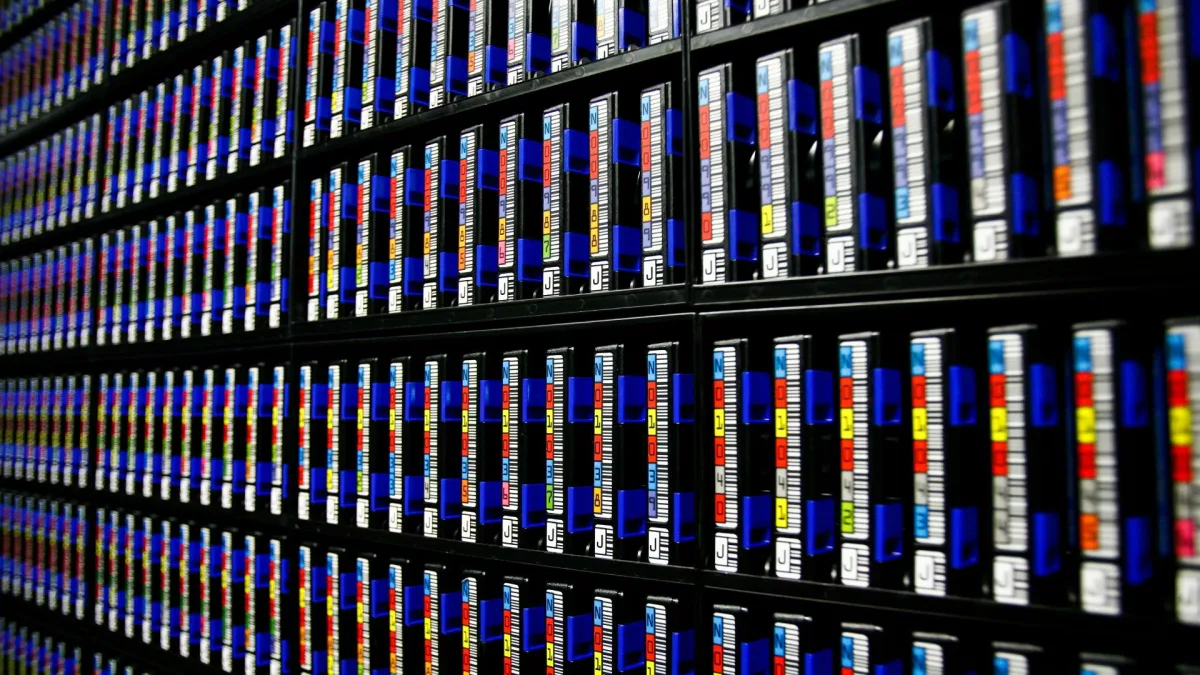
Fujifilm is moving to dramatically scale up its magnetic tape manufacturing operations in response to accelerating demand for data center storage driven by artificial intelligence infrastructure expansion. The company will allocate 10 billion yen ($63.3 million) toward capacity increases at its Odawara facility over fiscal year 2028, with the goal of achieving a production increase of up to 5x. The investment will support manufacturing of advanced tape cartridges capable of storing up to 100TB each, according to reporting from Nikkei Asia. This represents Fujifilm's most substantial capital commitment to tape storage technology in approximately two decades. The company's involvement with magnetic tape dates back to 1954, when the technology was deployed in television broadcasting systems.
Why tape matters for data centers
Magnetic tape has become the standard choice for long-term archival storage across data center operations globally. Though tape technology cannot match the speed of solid-state drives or conventional hard disk drives, it excels in two critical dimensions: exceptional durability and remarkably low cost per unit of storage capacity. Tape-based systems can deliver storage at one-quarter the expense of hard disk solutions, and substantially less than faster SSD alternatives. This cost advantage makes tape the ideal medium for managing cold data—information accessed infrequently but requiring secure, reliable preservation. Beyond economics, research demonstrates that tape storage generates a smaller environmental footprint compared to both hard disks and SSDs.
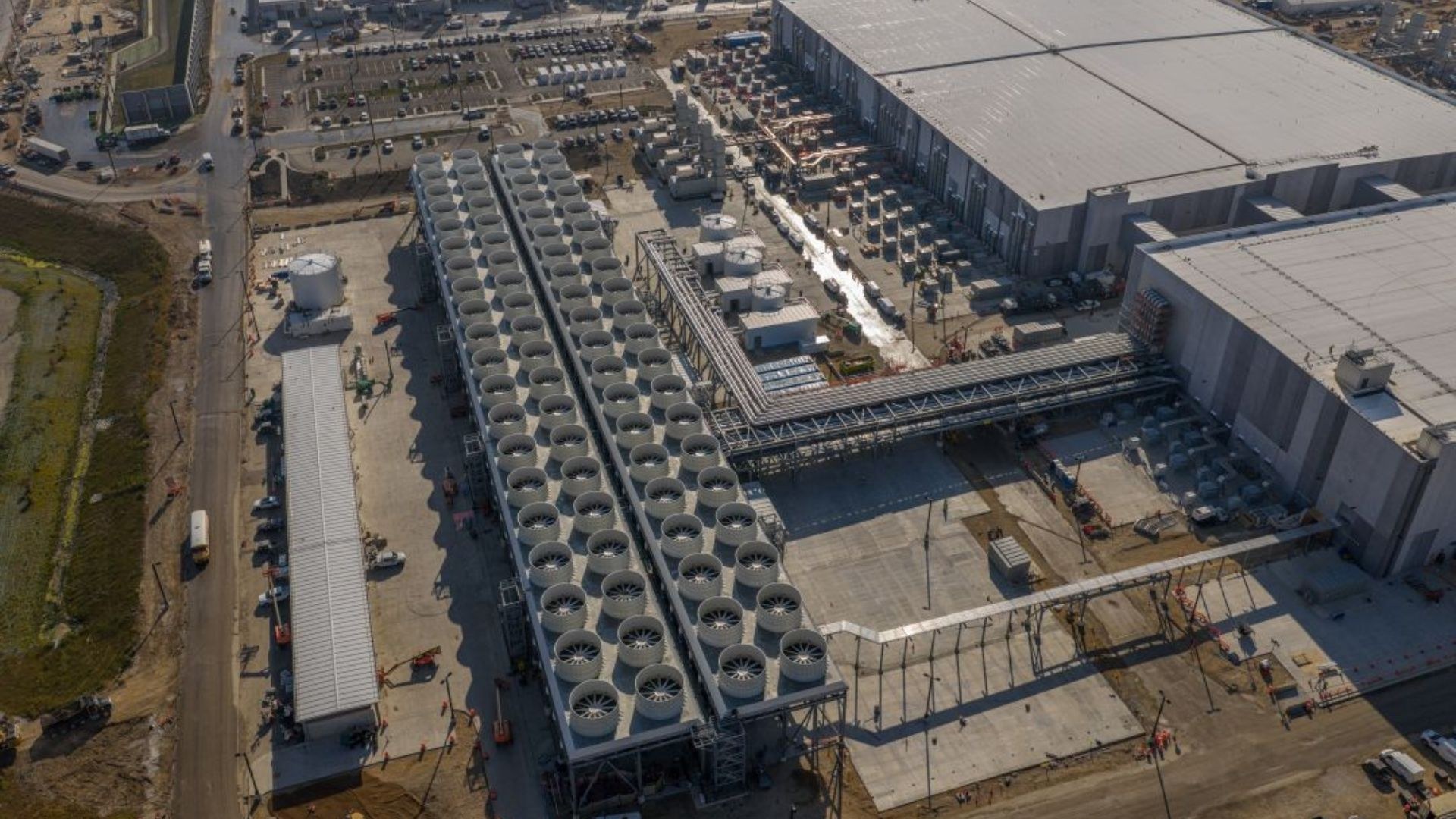
Tape's capacity roadmap versus current alternatives
While Fujifilm's planned 100TB cartridges represent current production targets, the Linear Tape-Open (LTO) specification permits substantially higher densities, extending to 365TB per cartridge. In contrast, the largest SSDs currently available max out around 256TB and command significantly higher price points.
Broader industry response to AI storage demand
Fujifilm's expansion is part of a wider industry mobilization around AI data center infrastructure. Toshiba recently announced plans to double its hard disk production capacity as manufacturers grapple with persistent shortages. Alongside Seagate and Western Digital, Toshiba is pursuing ever-larger storage capacities. Kioxia and SanDisk have also entered the race, unveiling 332-layer 3D NAND flash technology in August with intentions to deliver higher-capacity SSDs for enterprise data center applications.
The appetite for AI data center storage capacity has reached such intensity that it has triggered a global shortage with no immediate resolution in sight. Scarcity has driven prices upward sharply, prompting manufacturers to redirect manufacturing resources away from consumer-oriented products toward the more profitable enterprise segment.