KubeVirt's CNCF graduation signals Kubernetes' evolution into unified compute platform
The open-source project's maturation reflects a shift away from the containers-versus-VMs debate, as enterprises seek to run legacy workloads, cloud-native applications and AI infrastructure on a single Kubernetes control plane.
KubeVirt has reached a milestone by graduating from the Cloud Native Computing Foundation (CNCF), signaling a resolution to the long-running tension between containerized and virtualized workloads. Seven years after entering the CNCF sandbox, the project now represents a broader transformation: Kubernetes is consolidating into a single platform capable of orchestrating traditional virtual machines, modern containerized applications and artificial intelligence workloads simultaneously.
The shift addresses a practical reality facing many organizations. While AI adoption is accelerating infrastructure modernization efforts, enterprises continue to depend heavily on virtual machine deployments for their core operations. Red Hat Inc. is positioning OpenShift 5 as a solution that eliminates the need to maintain separate systems, allowing IT teams to manage all compute workloads through one unified environment.
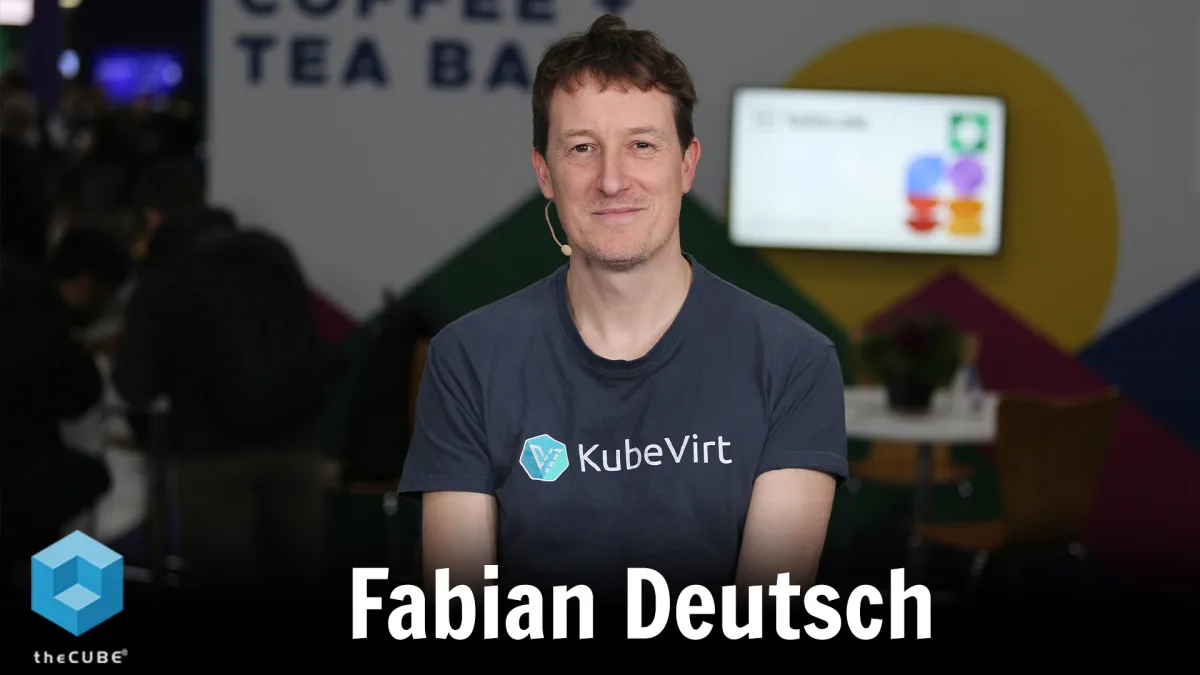
Fabian Deutsch, director of engineering for OpenShift Virtualization and Modernization and a KubeVirt maintainer at Red Hat, explained the philosophy behind this convergence. "But you've also got VMs, right, where you're running applications in the old way that we did for decades before. And do you really want to maintain these two systems?" Deutsch said. "So our vision was, how can we unite those worlds to eventually make it easier to have one paradigm to run both, all these compute workloads on one platform."
One control plane for diverse workloads
Kubernetes has become a gravitational center for open-source initiatives and commercial vendors alike, and artificial intelligence's insatiable demand for computational resources has only strengthened this pull. According to Deutsch, much of KubeVirt's recent development momentum originates from the AI community's requirements.
The flexibility to run different workload types without infrastructure overhauls represents a key advantage. "You don't want to repave your data center just because you've got a new workload that you need to address," Deutsch said. "So you're having that flexibility to run it in the way that you need it."
The CNCF's announcement of KubeVirt's graduation occurred at KubeCon + CloudNativeCon NA. Looking forward, the project's roadmap includes enhanced support for passing GPUs, CPUs and memory into virtual machines. Simultaneously, artificial intelligence is reshaping how the community approaches virtualization capabilities, particularly around isolation models that provide security benefits in AI environments.
"There's a lot of influx of features due to AI, by the way," Deutsch said. "The isolation model, we didn't get to it in the beginning, but the isolation of virtualization is helping, right, in the AI age as well."
KubeVirt's architecture already demonstrates portability across diverse deployment scenarios, from edge computing environments to cloud infrastructure, thanks to its consistent API layer. Early adoption from Nvidia Corp. has been followed by increased engagement from Microsoft Corp., indicating growing enterprise interest in the platform.
https://www.youtube.com/embed/0rpV0ahbDIE?feature=oembed
"I think it's about getting the right and next generation infrastructure into your house," Deutsch said. "KubeVirt allows you to carry forward what you've got, what you invested in over the past decades, and not to leave it alone because you have to carry it forward."