Bit Cloud 2.0 Aims to Turn AI-Generated Code Into Team-Ready Applications
Bit Cloud's founder explains how the platform lets developers reuse tested components across projects, reducing code review burden and accelerating the journey from AI-generated prototype to production-ready software.
For many software engineers, generating an initial application from an AI prompt has become routine. Yet transforming that first iteration into something a team can reliably operate, maintain, and extend demands considerably more: deployment infrastructure, a mechanism for evaluating code changes, and assurance that subsequent updates will function correctly.
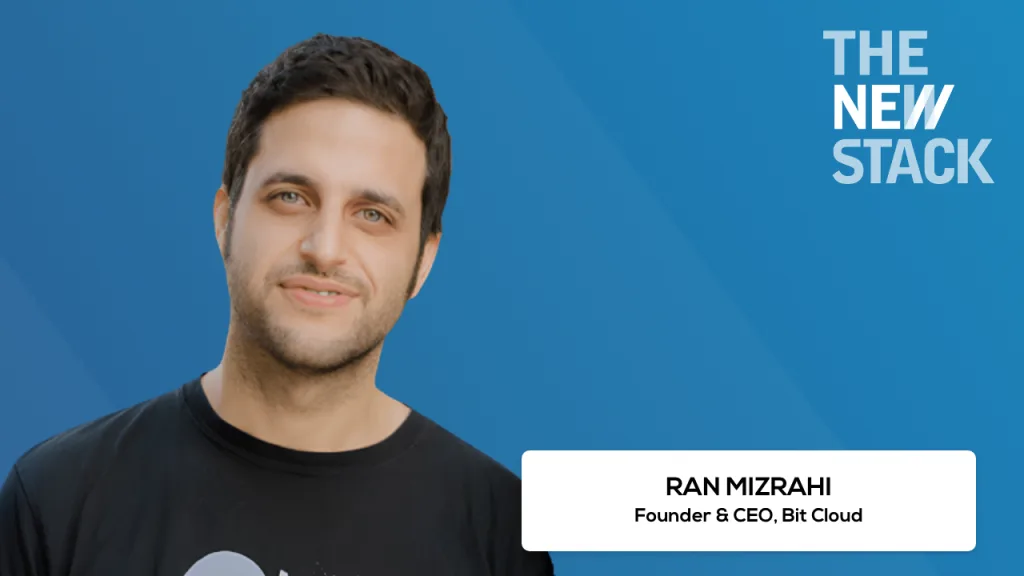
Bit Cloud 2.0 and its integrated AI assistant Hope represent the company's answer to this challenge. In a recent discussion, founder and CEO Ran Mizrahi outlined how the platform bridges the gap between initial app creation and the operational work that sustains it. The conversation centered on a vision where developers dedicate more effort to creating valuable applications, with the underlying systems for construction, deployment, and integration consolidated into a unified environment.
https://www.youtube.com/embed/HxdFSc1JCZk?si=_treVxqkgut3tQkz
Consider a typical scenario: an internal dashboard requires authentication, data storage, and secure connections to external systems to function safely. When another team needs a similar dashboard serving different purposes, the authentication logic and third-party integrations already built by the first team could accelerate the second project significantly.
https://player.simplecast.com/80e5ca86-9bf9-46bd-8c78-1575d6f3a3fc?dark=true
Mizrahi described how Bit Cloud enables teams to surface existing components for reuse. Engineers construct core pieces, validate them thoroughly, and then expose them to teammates for incorporation into new projects. According to Mizrahi, this model diminishes redundant effort, lowers expenses related to AI token consumption, and leaves teams with substantially less novel code requiring examination.
The approach also facilitates expanded teamwork: engineers, design professionals, product strategists, and business decision-makers all operate from shared building blocks. The outcome is that a broader range of participants can convert concepts into functional solutions at accelerated pace.
The platform extends development capabilities to mobile devices as well. Mizrahi demonstrated how mobile-based work can encompass test environments, compilation verification, and peer review of code, enabling developers to validate modifications prior to merging. For those accustomed to viewing software deployment as exclusively desktop-bound, this illustrates how conventional development workflows can become portable.
The discussion also addressed beginning work with established codebases, compatibility with tools including Claude Code and Cursor, and exporting standard application code outside the Bit Cloud ecosystem. Demonstrations ranged from an Instagram-inspired mockup evolving into a complete application structure, to a test failure revealing defects before they reach users.
Throughout the conversation, Mizrahi emphasized the significance of leveraging what teams have previously constructed, and how each application can serve as a foundation for subsequent projects.