Treasury Secretary Questions Nvidia's Controls Over GPU Sales to Shell Companies
Scott Bessent says the company bears responsibility for vetting customers, while stopping short of accusing CEO Jensen Huang of knowing about potentially illicit transactions.
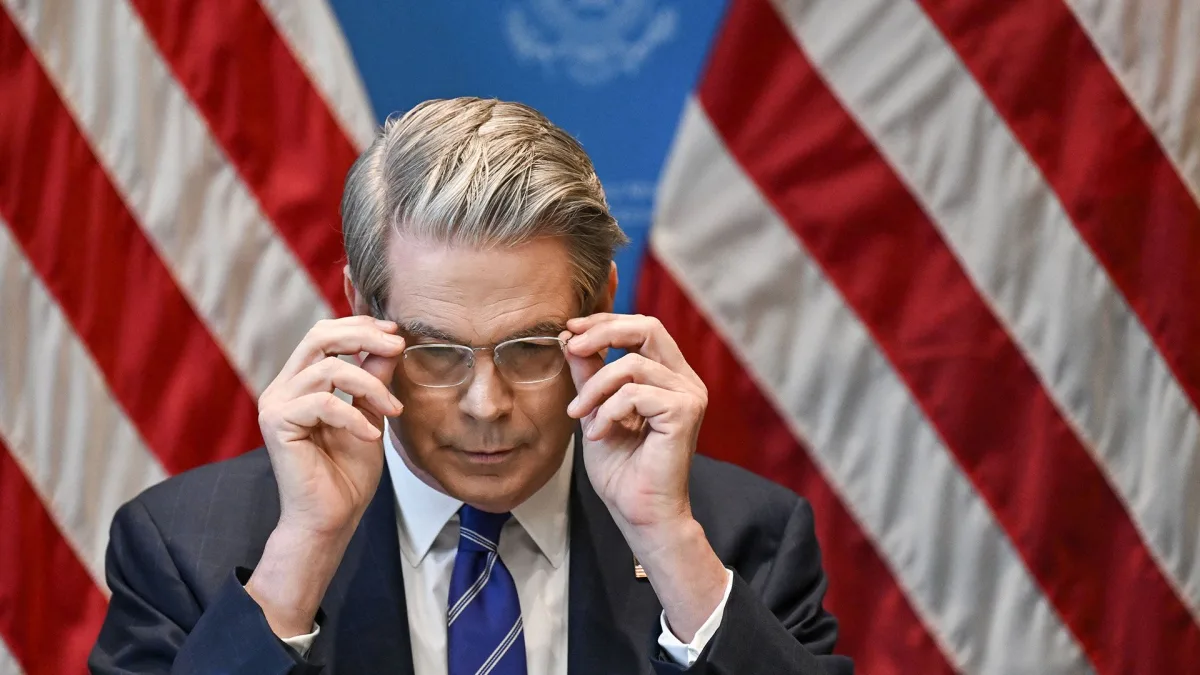
U.S. Treasury Secretary Scott Bessent acknowledged that export controls have limits in preventing restricted hardware from reaching adversaries, noting that China has allegedly obtained millions of banned AI GPUs from Nvidia. He raised concerns about the strength of Nvidia's own compliance mechanisms and demanded accountability across the organization, though he avoided directly implicating Chief Executive Jensen Huang in any wrongdoing.

In remarks to CNBC, Bessent stated: "I think that there is a lot of leakage in the system, and we are constantly working to close that down." He shifted focus from Huang's personal conduct to the company's institutional practices, saying: "One thing here is that the story has been thus far on Jensen Huang's personal foibles. The real story here should be, did Nvidia know their client? And was there a robust effort at Nvidia to make sure that there was no leakage and that they were selling to what were obviously pass-through shell companies? And I think it is important that anyone at the company there be held accountable for that."
Bessent conceded that even with strict U.S. prohibitions on advanced AI GPU sales to China, substantial quantities of controlled equipment continue to reach the country. Nevertheless, he rejected the notion that Washington should tighten export restrictions or expand government authority to combat GPU diversion. Rather, he argued that existing rules should be enforced more effectively.
The Treasury Secretary also took aim at Nvidia's general counsel Timothy Teter, who reportedly reached out to the U.S. Department of Commerce regarding the detention of Megaspeed's Alice Wong in Singapore. Bessent refrained from predicting what might happen to Nvidia if company leadership had knowledge of customer intermediation for Chinese interests. He did express faith that Nvidia's board would undertake a comprehensive review.
Bessent remarked: "But let us just say, if this was happening, then there were not robust controls at the company. We do not know for a fact that Jensen Huang knew this. The [general council] seems to have been very involved here, probably should have done more oversight rather than the haranguing [government officials at the U.S. DoC]."
Bessent disclosed that the Treasury, Defense, and State Departments, alongside the Office of the U.S. Trade Representative, had backed placing Megaspeed on the Entity List for an extended period. The Department of Commerce's Bureau of Industry and Security holds the authority to implement such export restrictions, but reportedly delayed the blacklisting of Megaspeed for months. Commerce Secretary Howard Lutnick allegedly worried that such action would heighten trade tensions with China.