Plymouth Police Chief Cuts Power to Flock Cameras After Company Ignores Cancellation
A Minnesota city took direct action to disable surveillance equipment when the camera maker failed to respond to contract termination demands, highlighting growing friction between law enforcement agencies and Flock Safety.
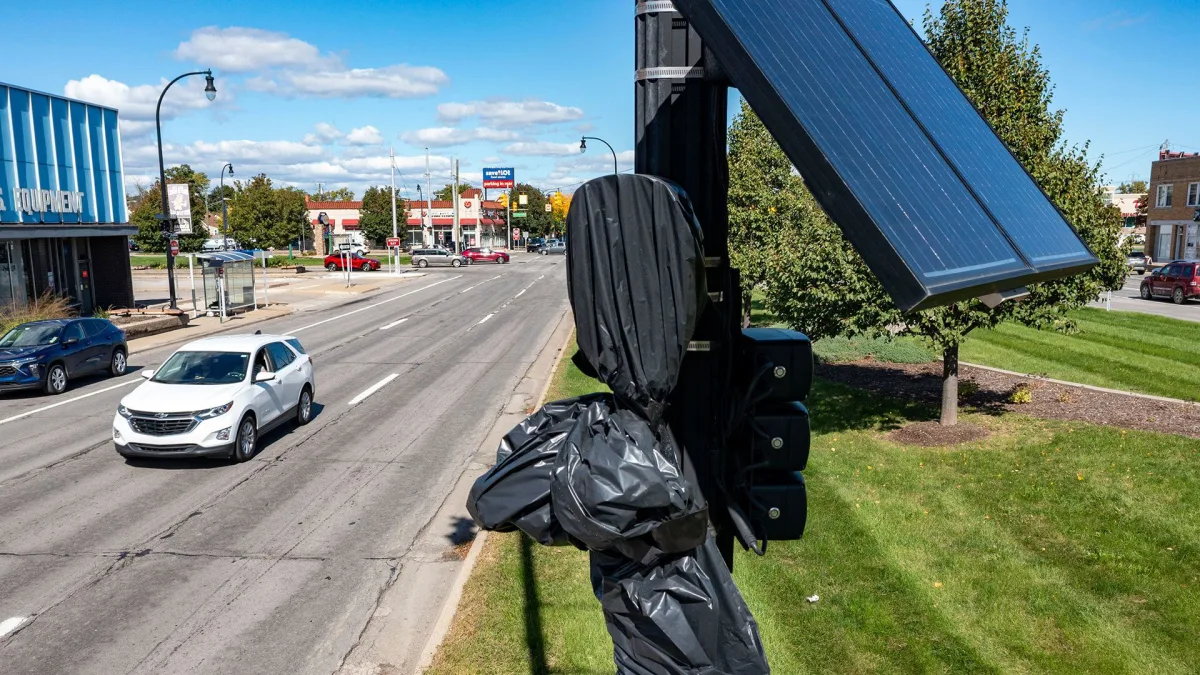
Plymouth City Council voted unanimously in September 2026 to terminate its agreement with Flock Safety, but the surveillance camera company did not comply with removal requests. After notifying Flock of the decision on September 23 and receiving no response for over a week, Police Chief Eric Fadden ordered staff to physically disconnect the cameras' power supplies to prevent further operation.
Fadden detailed the city's efforts to reach the company in a statement to The Drive: "As you're well aware, the City Council voted to discontinue the use of Flock ALPRs at the Sept. 22 meeting. On the morning of Sept. 23, we suspended all Plymouth user Flock accounts and notified Flock Safety of the Council's decision. We followed up with a formal letter of cancellation via US Mail and email after consulting with our City Attorney's Office. We did not hear any reply from Flock Safety Corporate or Legal, other than some communication with our local representative. After hearing nothing for more than a week, I directed our staff to disconnect the power cords from the cameras in order to be sure that they are not functioning or recording plates."
The confrontation reflects mounting concerns about Flock's operations and practices. Officers have faced arrest for misusing the system, and the company's technology has been linked to questionable enforcement actions. Plymouth police mistakenly conducted what amounted to an ambush of a car reviewer based on an administrative error originating in California. Additional reports indicate that law enforcement has initiated traffic stops based solely on an AI determination that a vehicle's travel patterns appeared suspicious.
Dayton, a Minnesota city situated approximately 10 miles north of Plymouth, has similarly suspended its Flock deployment. When Dayton police learned that Flock intended to service and replace two cameras in their jurisdiction, they instructed the company not to proceed. Flock proceeded with the replacement work regardless of these explicit instructions.
Flock operates more than 300,000 cameras across the United States, creating an extensive network capable of comprehensive vehicle tracking. While marketed as automated license plate readers (ALPRs), the system's capabilities extend beyond plate recognition to include AI-powered vehicle identification based on visual characteristics such as stickers, paint finish, make and model. The company has remained publicly silent regarding municipalities' demands for camera removal. Removing equipment would require labor and reduce network coverage, whereas leaving cameras in place incurs minimal ongoing costs for the company.