Researchers develop forensic method to trace 3D-printed firearms through filament analysis
Scientists at Curtin University have created a technique to match 3D-printed gun components to their source material, potentially giving law enforcement a new tool against untraceable plastic weapons.
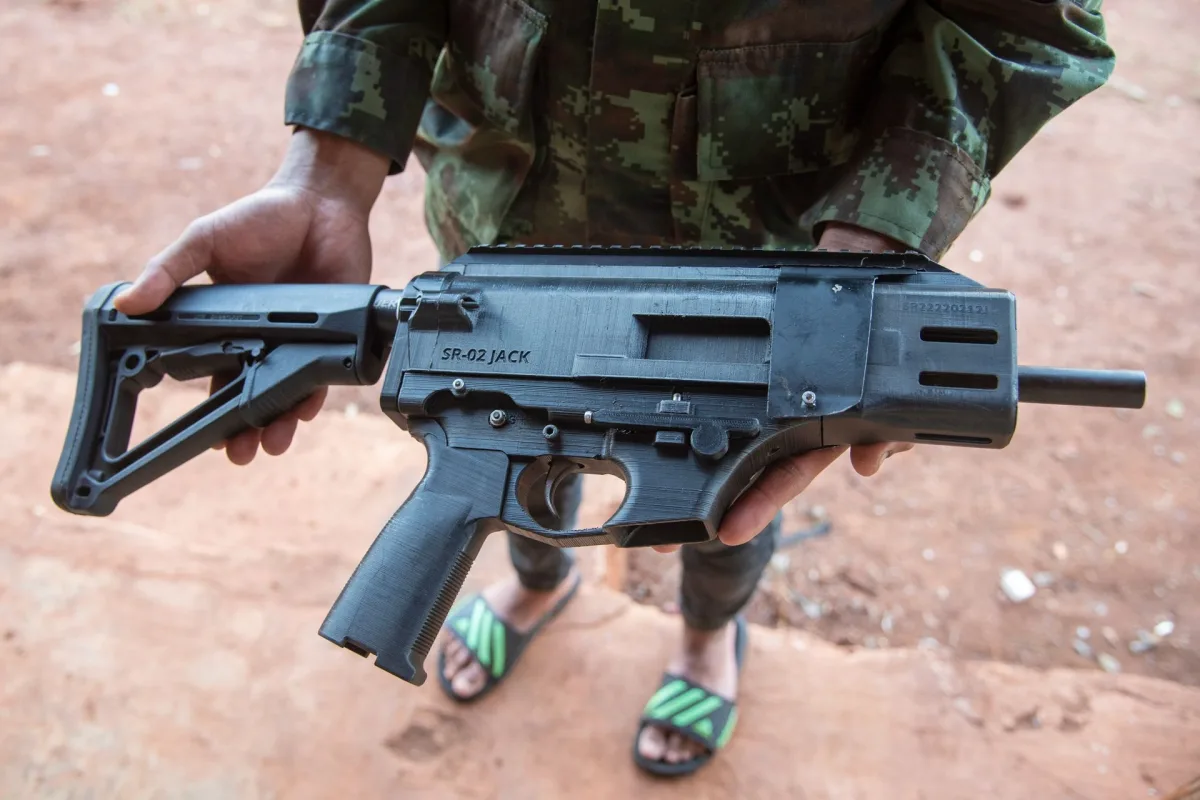
A technique for identifying the origins of 3D-printed plastic firearms has emerged from research published October 22 in Forensic Science International. Investigators at Curtin University in Perth, Australia, demonstrated the ability to connect 3D-printed PLA components back to specific filament sources, achieving successful matches in 26 of 28 test cases. The breakthrough could enable authorities to link confiscated plastic guns with seized manufacturing materials, potentially revealing supply chains and distribution networks behind the production of these weapons.
The method currently works only with PLA, a common 3D-printing material, but represents an initial step toward solving a growing enforcement challenge. Untraceable plastic firearms have become an expanding global concern, particularly because they lack traditional identifying markers and can decompose if made from PLA. The emergence of tools like AI-powered 3D gun generators has lowered barriers to manufacturing these weapons. Traditional law enforcement investigative approaches—serial number tracking, registration databases, and licensed distributor networks—offer no leverage against firearms that are produced on demand, leave no manufacturing footprint, and can be discarded after use.