Keurig Smart Coffee Maker Floods Home Network With 1TB of Data in 10 Days
An IT professional discovered his parents' Keurig K-Supreme SMART coffee maker was transmitting roughly 1TB of data over their home Wi-Fi in just 10 days, clogging their network connection.
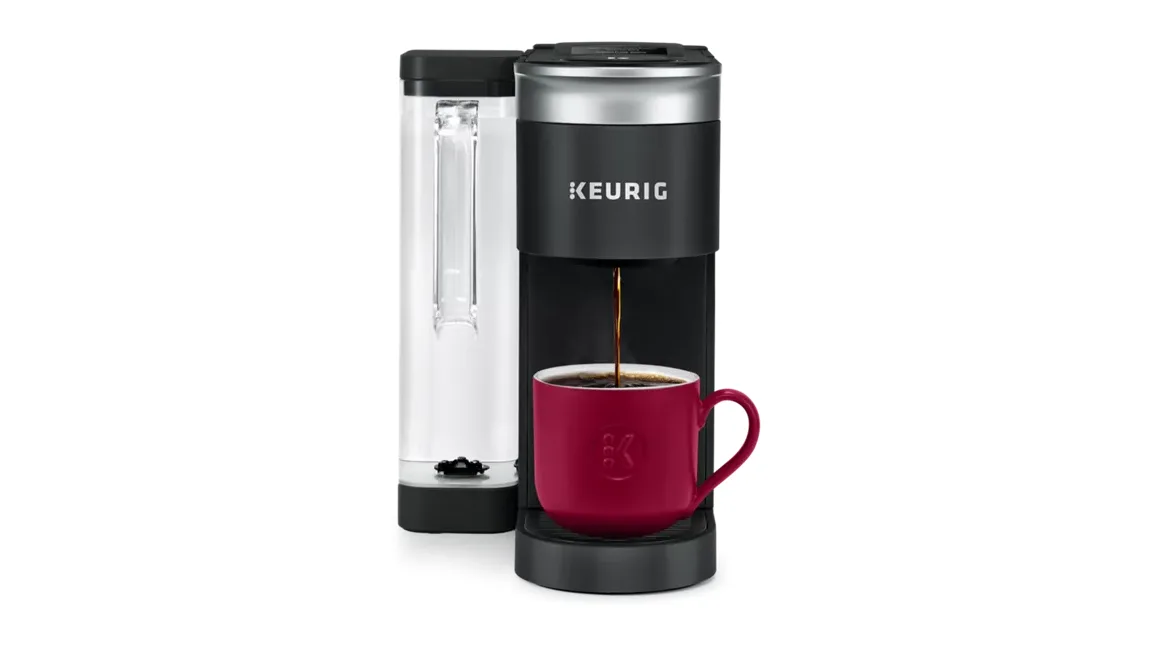
A Keurig K-Supreme SMART coffee maker belonging to the parents of an IT specialist generated approximately 1TB of network traffic over a 10-day period, overwhelming their home Wi-Fi access point. The user, who goes by @NomadsGalaxy on X, noted that the bulk of this traffic remained confined to the local network, though the actual purpose of the data transmission remained unclear.
Hey uh, @Keurig - what the hell is a COFFEE MACHINE uploading, let me double check...ONE FUCKING TERABYTE OF DATA IN 10 DAYS!?!?Immediately unplugging that. Getting my parents a new coffee machine.
@NomadsGalaxy on X, October 6, 2026
The individual, who works as a Technical Field & Community Specialist at 3D printer manufacturer Prusa and brings more than a decade of IT expertise, posted a screenshot from UniFi showing the device consuming 1,008.45GB of upstream data alongside 9.94GB of downstream usage across the 10-day, 9-hour window. The discovery came after his parents complained about sluggish network performance. A UniFi screenshot indicated the device had been disconnected on the evening of October 5.
The upstream consumption averaged roughly 9 Mbps, sufficient to saturate an access point on its own. This translates to approximately 97GB per day—roughly 27 times the daily data usage of an LG washing machine that transmitted 3.6GB daily in 2024. The coffee maker operated over 2.4GHz Wi-Fi, a frequency choice that likely prioritizes range and device compatibility but constrains maximum bandwidth.
The specific model in question is the K-Supreme SMART with BrewID, which the manufacturer's product documentation indicates supports remote brewing, remote power control, and scheduled brew times through a mobile app. The device also integrates with Alexa and Google Home voice assistants. BrewID technology identifies Keurig-branded pods via Wi-Fi and applies the roaster's recommended brewing parameters.
As the X conversation progressed, the user clarified that UniFi had not actually logged a full 1TB transmission, leading him to suspect the traffic consisted primarily of local network junk data. The coffee maker occupied its own segregated IoT network alongside other smart home devices, though filtering remained minimal. After rebooting the device and placing it on an isolated VLAN, the issue appeared to resolve, at least temporarily. Rather than capturing packets to investigate further, the user chose to keep the device offline for safety reasons.
Data transmitted to Keurig's cloud servers typically includes power status, brewing state, pod recognition outcomes, and firmware version information, according to the pykeurig GitHub project used for Home Assistant integration. Keurig's own open-source documentation identifies Microsoft's Azure RTOS as the underlying operating system and networking stack powering the device. Given the minimal volume of data normally transmitted, the 1TB figure strongly suggests a firmware malfunction, though the proprietary code remains unavailable for public inspection.
The UniFi screenshot reveals a MAC address block registered to Jabil on February 18, 2021. Jabil's corporate materials highlight expertise in Wi-Fi and Bluetooth design, RF and antenna engineering, IoT embedded modules, and connected appliances. Keurig has previously acknowledged Nypro, a Jabil subsidiary, as a manufacturing partner, though this does not definitively establish the hardware's origin or firmware operation.
Keurig's SMART brewers maintain 14 days of brewing history that synchronizes upon reconnection to the internet. Brews using Keurig-branded K-Cups accumulate points through the Keurig Perks program. The Boston Globe reported in 2022 that Keurig shared brewing data with K-Cup manufacturers, with intentions to enable more targeted marketing campaigns.
The incident arrives amid growing frustration from consumers and privacy advocates regarding covert data collection by IoT devices, with LG drawing particular scrutiny in recent years. Last month, Gamers Nexus and security researchers conducted packet analysis and firmware examination on specific LG television models.
LG stated to Tom's Hardware that its televisions do not record audio unless voice features are explicitly enabled, though in standby mode they listen for wake words when that capability is active. The company acknowledged the local network scanning behavior, characterizing it as "a standard function commonly provided by smart TVs and smart home devices." In that instance, researchers captured actual traffic demonstrating the behavior was an intentional feature rather than a malfunction.
Keurig has not yet issued a public statement regarding the incident. While the brewer functions independently of internet connectivity, many of its advertised capabilities depend on online access, making this potential flaw a genuine concern for consumers. The user has suggested that other units may exhibit identical behavior, potentially affecting additional customers and prompting Keurig to release either an official response or a software correction. The situation underscores the necessity for IoT manufacturers to implement rigorous safeguards around network communication and data handling.