TSMC halts shipments to Chinese firms as U.S. tightens export rules on older chip nodes
New U.S. regulations treating 16nm and 14nm semiconductors as export-controlled technology have prompted TSMC to pause deliveries while assessing compliance across its customer base.
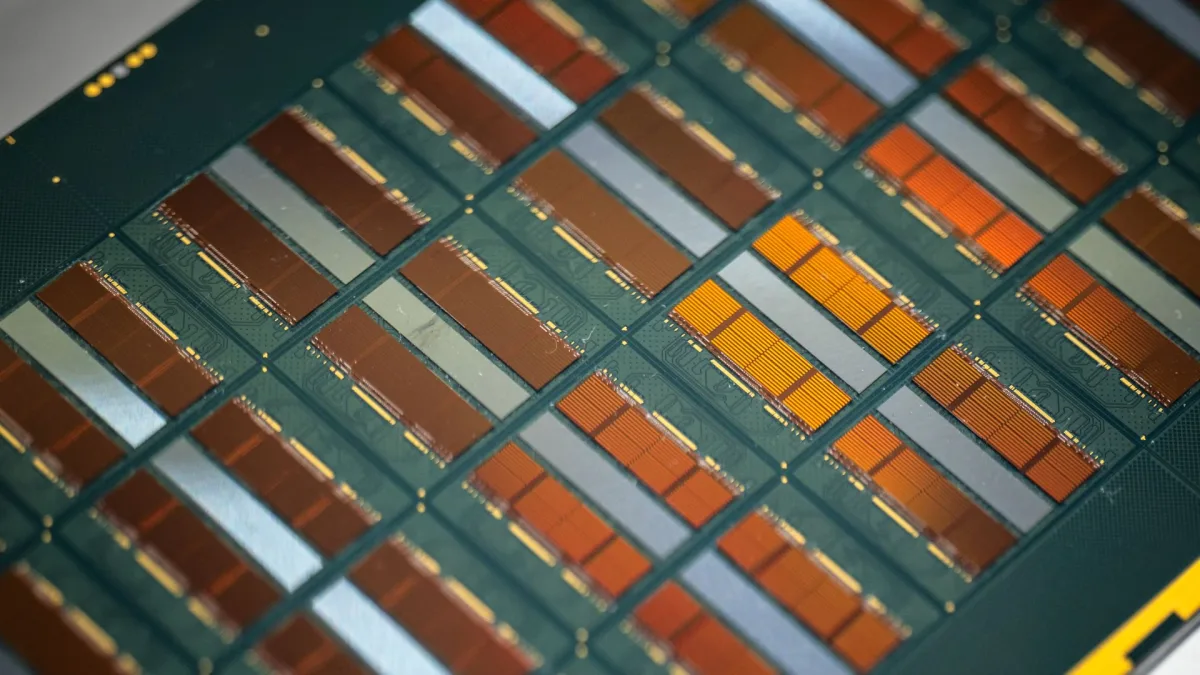
Semiconductor manufacturers now face stricter obligations to verify that their products comply with U.S. export control requirements. The Bureau of Industry and Security has issued an interim final rule designed to block Chinese artificial intelligence companies from circumventing restrictions by leasing computational capacity outside their borders to run advanced U.S. processors such as Nvidia's Blackwell AI accelerators. According to reporting by Nikkei Asia, the enforcement has extended beyond AI chip makers to affect foundries supplying consumer electronics and automotive sectors, with TSMC temporarily suspending multiple shipments to both Chinese and international chip designers pending a review of regulatory compliance.
Earlier U.S. export restrictions targeted only cutting-edge artificial intelligence processors, including Nvidia's Blackwell and the forthcoming Vera Rubin architectures. The revised framework broadens this scope to encompass the entire semiconductor landscape. Under the new rules, front-end fabricators and outsourced semiconductor assembly and test providers—commonly referred to as packaging and testing operations—must treat all chips manufactured at the 16nm and 14nm process nodes as inherently subject to export controls for advanced computing applications. The regulation further stipulates that semiconductors containing fewer than 30 billion transistors and lacking HBM technology cannot be presumed safe from classification as high-performance computing devices.