Court Allows DRAM Price-Fixing Case Against Micron, Samsung, and SK hynix to Proceed
A federal judge rejected arguments from three major memory chip makers that a price-fixing lawsuit should be dismissed, finding sufficient evidence that the companies may have coordinated to restrict supply during a severe shortage.

Judge Noël Wise has ruled against a motion by Micron, Samsung, and SK hynix to dismiss a proposed class-action antitrust lawsuit alleging that the three firms conspired to manipulate DRAM prices. The decision clears the way for the case to advance, rejecting the defendants' claim that the litigation merely rehashes a 2018 antitrust action against the memory chip industry.
The three companies had contended that their similar business decisions reflected ordinary competitive vigilance in a tight market. Judge Wise disputed this characterization, stating that "their contentions are more akin to hawks flying in formation — an activity that hawks ordinarily do not do."
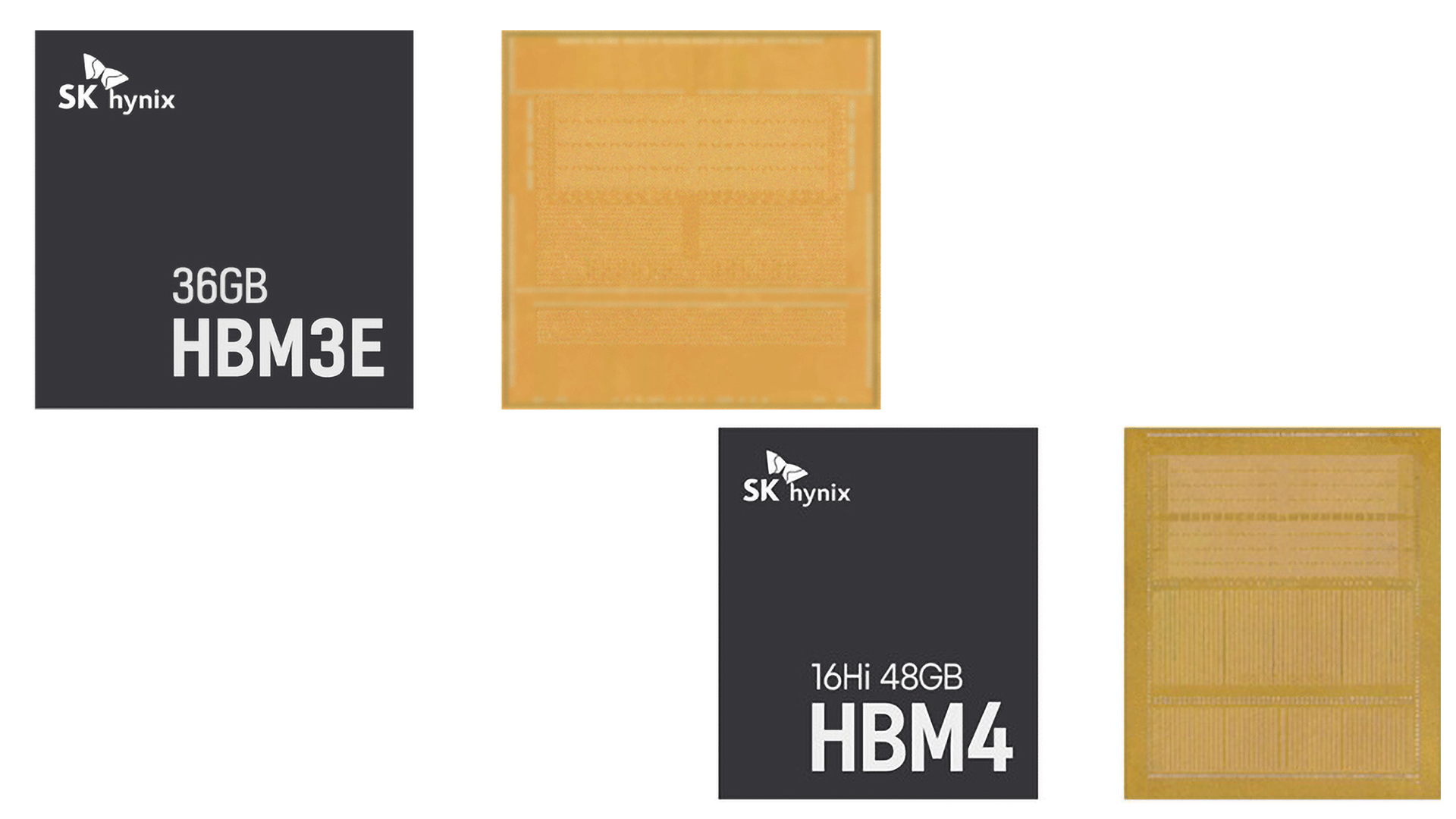
The plaintiffs—a group comprising 17 individuals and small businesses—claim that Micron, Samsung, and SK hynix executed four coordinated actions that deliberately constrained DRAM availability and triggered a dramatic price escalation, with costs rising as much as 500% within a single year.
Alleged Coordinated Actions
The lawsuit points to several parallel moves by the three manufacturers as evidence of collusion:
- Simultaneous production cuts spanning October 2022 through April 2023, followed by a synchronized shift toward HBM manufacturing
- Announcements to phase out DDR4 production made within a three-month window
- Failure to increase production capacity despite unprecedented price signals in the market
- Implementation of strict customer qualification procedures during the shortage
- Refusal to commit to long-term DRAM supply agreements
- Micron's discontinuation of Crucial, its consumer memory division
- Public statements forecasting continued supply constraints
- Prior involvement in price-fixing violations
Defense Arguments
The three companies countered that their actions were independent business decisions designed to maximize revenue during a period of exceptional demand. They argued that their similar conduct stems from operating in a highly concentrated market where all three firms face identical market conditions and naturally respond in comparable ways. According to their position, these moves were "consistent with [their own] independent self-interest" and reflected rational responses to the same external pressures.
Next Steps
Although Judge Wise found the allegations sufficiently plausible to allow the case to proceed, this ruling does not constitute a judgment on the merits. The defendants must file a response to the original complaint by December 7. A case management conference is scheduled for January 2027 to address procedural and administrative matters.