SpaceX to Receive $2 Billion for Trump's Golden Dome Satellite Defense Network
SpaceX is poised to secure $2 billion as part of President Trump's Golden Dome initiative, which will deploy up to 600 satellites designed to detect and track airborne threats.
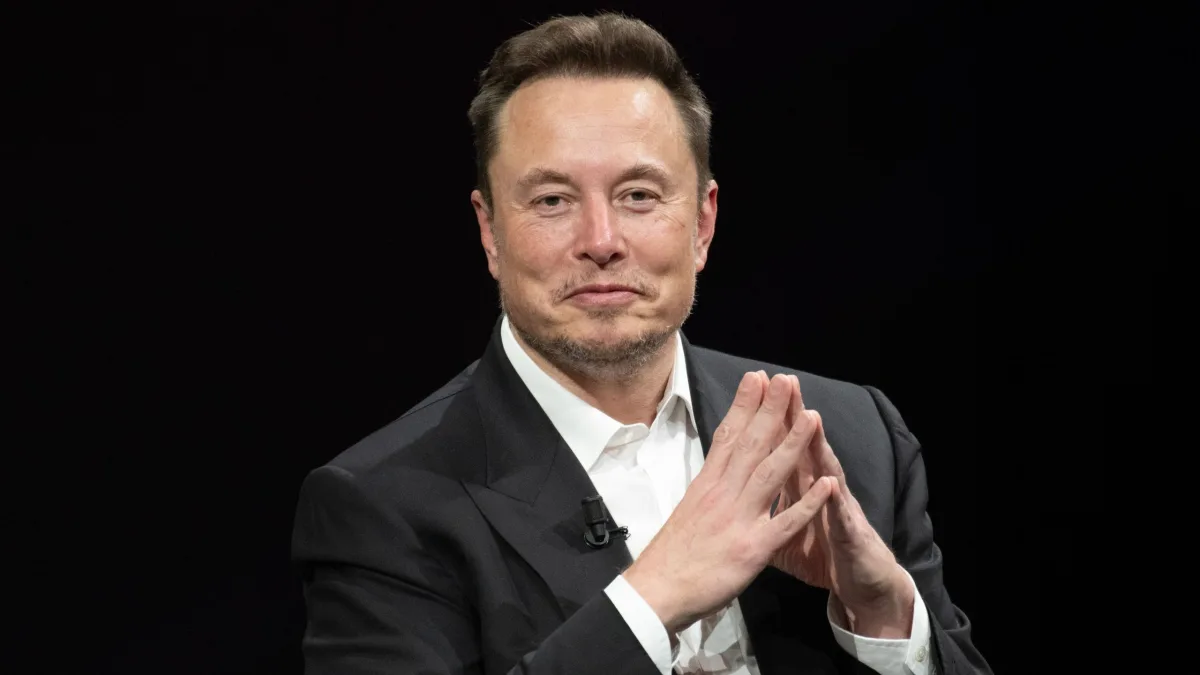
The aerospace company led by Elon Musk stands to gain $2 billion under Trump's Golden Dome project, a Pentagon-backed effort that will field as many as 600 satellites functioning as an "air moving target indicator" system. The Wall Street Journal first reported the arrangement, which marks yet another major satellite contract between SpaceX and the Department of Defense. SpaceX already operates Milnet, a classified military communications network built on Starshield satellites and associated ground terminals, as well as a separate ground-tracking satellite constellation. Neither the Pentagon nor SpaceX has issued a public statement, and no formal announcement has been made. The project's funding was greenlit as part of the "One Big Beautiful Bill" that Trump signed in July 2025, though no specific contractor had been officially designated at the time of reporting.
A massive project
Golden Dome represents an integrated missile defense architecture incorporating satellites, interceptor systems, command infrastructure, and supporting equipment. Estimates place the total cost at a minimum of $175 billion, with some analysts predicting substantially higher final expenditures. The $2 billion SpaceX contract therefore constitutes a modest fraction of the overall Department of Defense spending on this initiative. The Pentagon is unlikely to depend solely on SpaceX, as multiple contractors have submitted proposals and demonstrated capabilities for various components.
Participants in the competitive landscape span both emerging firms and established defense contractors. Anduril Industries and Palantir Technologies represent newer entrants, while Lockheed Martin, Northrop Grumman, and L3Harris bring decades of experience. "What we're relying on is industry to help us innovate by showing us the art of the possible—bringing ideas to us," said U.S. Space Force Chief of Space Operations Gen. Chance Saltzman during an industry event in 2024.
The scope of Golden Dome has prompted both Congress and the White House to avoid concentrating authority in a single supplier. Sen. Rick Scott (R-FL) has expressed opposition to depending on any one company for the nation's missile defense infrastructure. The Pentagon's Defense Science Board has flagged this concentration risk, termed "vendor lock," warning that it "can negate the strengths of the market by stifling innovation and inflating prices."
Inspired by other missile defense systems
Golden Dome draws conceptual parallels to Israel's Iron Dome system, though at substantially greater scale. The Iron Dome platform boasts a reported 90% interception success rate against diverse threats ranging from missiles to mortars. A historical precedent exists in the Strategic Defense Initiative, which former President Ronald Reagan unveiled in 1983. That program aimed to shield the United States from Soviet ballistic missile attacks through laser technology and related systems. Technological constraints of that era rendered the concept impractical, and the project lost momentum following the Soviet Union's 1991 dissolution.

Contemporary threats have shifted the calculus. Hypersonic missile development has outpaced existing American air defense capabilities. Golden Dome transcends a single weapons system; it represents a unified defensive architecture merging terrestrial, maritime, space-based, and potentially cyber components, with SpaceX functioning as one contributor among many in this expansive defensive undertaking.
Source: Tom's Hardware