Dell positions data recoverability as core to AI security strategy
As artificial intelligence systems access more enterprise data and attackers exploit frontier models to accelerate attacks, Dell argues that businesses must embed resilience into their infrastructure architecture rather than relying on backup copies alone.
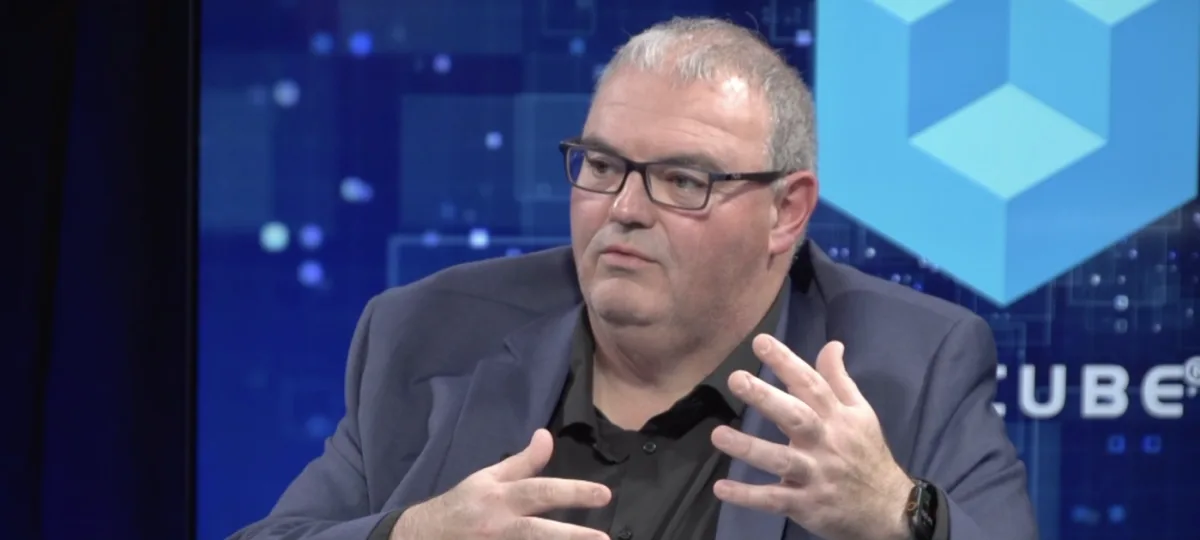
The relationship between AI and data protection is shifting from a purely defensive posture to one centered on recovery capability. When AI agents interact with growing volumes of enterprise information and sophisticated attackers leverage frontier models to discover vulnerabilities at scale, merely maintaining a data backup no longer guarantees organizational continuity.
This evolution is repositioning data protection from a peripheral concern to a fundamental component of how companies design their systems. Dell Technologies has been investing in expanded cyber recovery capabilities as organizations grapple with these emerging threats, according to Simon Jelley, vice president of product management at Dell.
The reality is, within the trusted AI adoption, it requires more than just protecting the actual model itself. You have to assume that ultimately, in this software-connected world, anything that's software-connected, there's a potential for that threat boundary. You have to ultimately have resilience built into the architecture itself.
Simon Jelley, Dell Technologies
Jelley discussed these themes during an appearance at the AI Cybersecurity and Resilience Summit, speaking with theCUBE's Christophe Bertrand in an exclusive broadcast. The conversation centered on why demonstrating the ability to recover data cleanly has become more critical than simply maintaining a backup.
Building AI trust into the recovery architecture
Two distinct pressures are reshaping how organizations approach resilience. Artificial intelligence simultaneously increases both the importance and quantity of data that enterprises manage, while frontier models enable attackers to combine multiple minor security gaps into a coherent attack strategy. This reality demands that organizations treat resilience as an operational imperative rather than an afterthought, Jelley explained.
The efficacy of the data itself is one element, but the other is you've got to really build in resiliency as a business process. Resiliency is just built into the architecture and the business process you're delivering overall.
Simon Jelley, Dell Technologies
Dell's approach involves using a vault mechanism to maintain a data copy isolated from the production network and separated from the access controls that protect primary systems. The company contends that immutability by itself does not guarantee true isolation.
https://www.youtube.com/embed/NMY6ZltNCiI?feature=oembed
We've worked with thousands of organizations to bring vaults into play. Some don't use that intelligence layer. And interestingly, we found that they have recovered data that had time bomb threats within them. It's not just important to isolate your data and say, 'Great, I have a recovery copy.' How do you know that recovery copy is ultimately clean? That's really critical when you're ultimately trying to stand back up your business.
Simon Jelley, Dell Technologies