Senate Report Finds AI Data Center Developers Overstating Local Economic Benefits
A year-long Senate investigation concludes that major technology companies have made misleading claims about job creation and tax contributions when seeking permits for AI data center projects.

Findings from a comprehensive Senate inquiry into artificial intelligence data centers reveal that developers have systematically misrepresented the economic impact of their projects on local communities. According to reporting by Time, the investigation discovered that while companies routinely highlight construction employment during the permitting phase, they have largely avoided disclosing how many permanent jobs these facilities will generate once operational. Those firms that have released employment figures cite a ratio of one permanent job per megawatt of capacity—meaning a 100-megawatt facility consuming electricity equivalent to that of 100,000 homes would create only 100 permanent positions.
Senator Elizabeth Warren of Massachusetts stated, "Congress must hold Big Tech accountable so these companies pay their fair share." Her colleague from Maryland, Senator Chris Van Hollen, added, "This report lays bare what we have long known: working Americans and local communities are footing the bill for Big Tech's massive expansion of data centers, while these companies continue to operate without transparency."
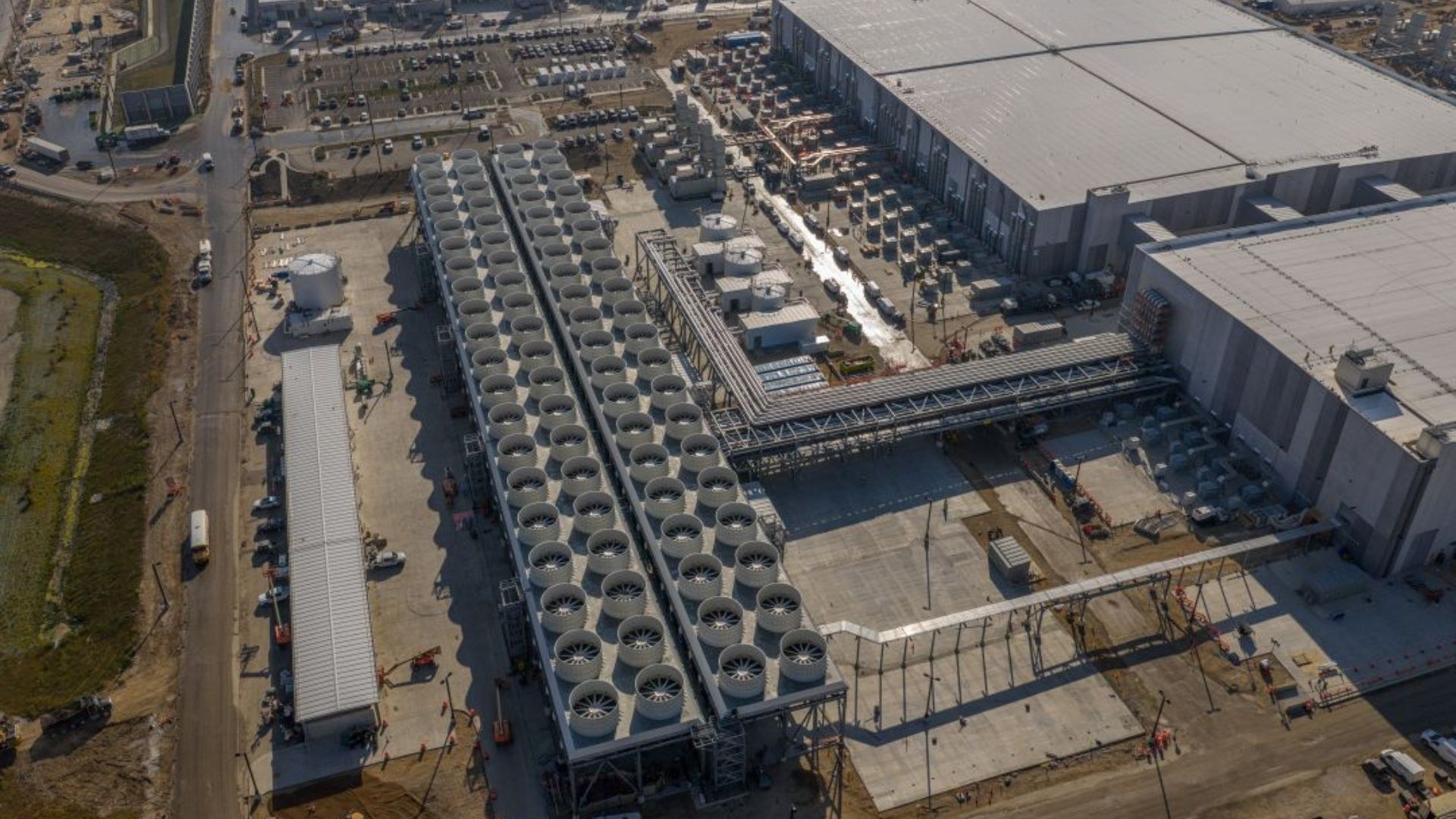
The Senate investigation also examined tax benefits extended to data center operators by state and local authorities. While property-tax abatements typically draw public scrutiny during approval proceedings, the inquiry found that sales-tax exemptions on computing equipment represent substantially greater financial incentives. These exemptions prove particularly valuable as facilities continuously maintain, repair, and modernize their systems. The report determined that 39% of spending at a 1GW data center goes toward expensive GPUs, suggesting that states forgo considerable tax revenue if the promised economic gains fail to materialize.
The seven companies examined—Amazon, Google, Meta, Microsoft, CoreWeave, Digital Realty, and Equinix—have resisted bearing the full costs of supporting infrastructure required to serve their facilities, despite earlier commitments to "pay their own way." While these companies acknowledged willingness to fund direct expenses, they contended that they should not finance broader investments such as new power generation plants and transmission infrastructure, even though their operations primarily drove the need for such expansion.
Earlier legislative attempts to enforce a ratepayer protection pledge that data center developers had signed stalled after senators determined the measure lacked sufficient enforcement mechanisms. The latest investigation demonstrates that Congress remains committed to addressing the issue through broader regulatory action focused on the infrastructure demands of AI, particularly concerning electricity consumption and the concerns raised by residents in affected areas.