Over 100 Ryzen 7 9800X3D CPUs Show Signs of Premature Failure, Mostly on ASRock Boards
User reports documenting defective Ryzen 7 9800X3D processors have climbed past 100 cases, with the majority occurring on ASRock motherboards, though some incidents may stem from firmware issues rather than hardware defects.
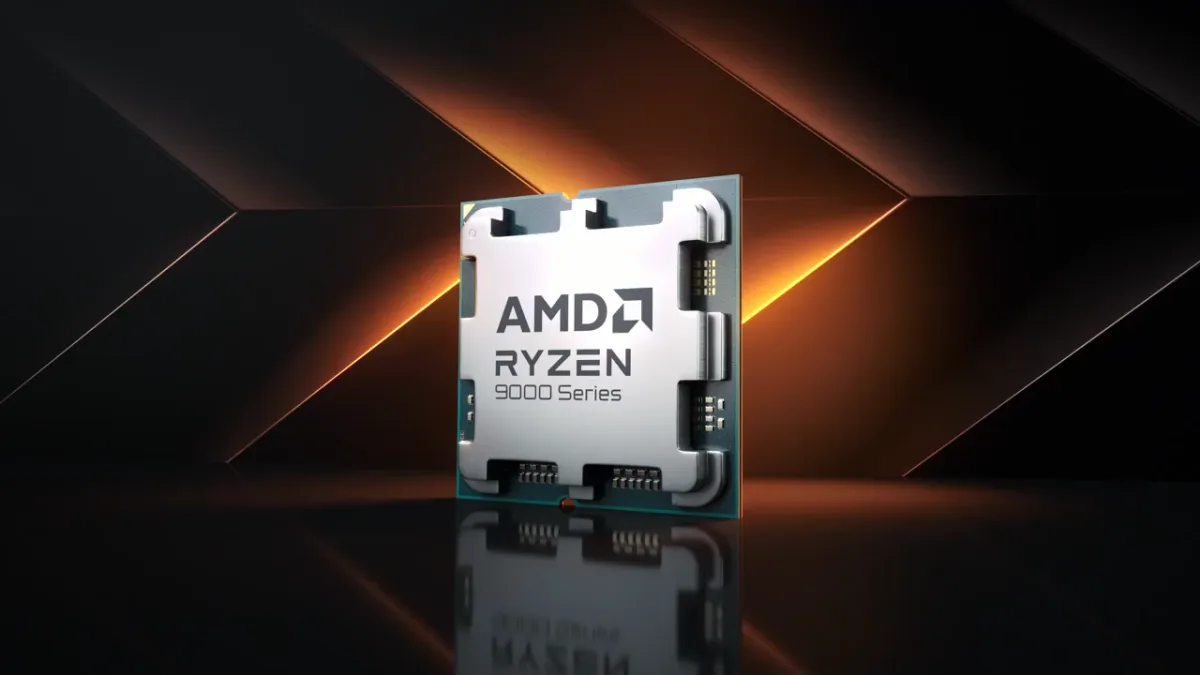
AMD's Ryzen 7 9800X3D has become a go-to choice for gamers building high-performance systems, yet the processor has also drawn scrutiny due to mounting user reports of early-stage malfunctions. On Reddit, a user known as natty_overlord has documented more than 100 instances of alleged premature failures, sparking discussion about potential quality concerns with the chip. A significant portion of affected units have been resolved through RMA replacements.
Reports of Ryzen 7 9800X3D problems first surfaced in November, and the issue appears to persist, with fresh complaints emerging periodically in recent months. The compilation maintained by natty_overlord tracks all documented cases with corresponding Reddit links. The overall count of problematic Ryzen 9000 series processors (Granite Ridge architecture) has reached 120 units. The distinction between actual silicon defects and firmware-related boot failures remains unclear, though many affected chips have been successfully replaced through warranty service.
Breakdown of the reported incidents shows 108 cases tied to the Ryzen 7 9800X3D, two involving the Ryzen 9 9950X3D, and ten from the standard Ryzen 9000 lineup. Given that AMD ships hundreds of thousands of these Zen 5 processors, the affected numbers represent a small fraction. Still, even limited failure rates merit thorough examination.
Ryzen 9000 Failures By Motherboard Brands
ASRock motherboards account for the vast majority of Ryzen 7 9800X3D problems, appearing in 82% of documented incidents. Asus, MSI, and Gigabyte follow with 13%, 4%, and 1% respectively.
These figures likely reflect purchasing patterns rather than inherent motherboard defects. ASRock's typically lower pricing compared to competitors may explain the higher representation in failure reports. Problems have surfaced across ASRock's entire AM5 lineup, from budget models like the B850M-X to premium options such as the X870E Taichi.
In February, ASRock distributed firmware updates for its AM5 boards designed to address boot complications. The update description states it will "improve minority proportion of AMD 9000 series CPU boot issue." ASRock has not clarified whether these boot problems account for all documented Ryzen 7 9800X3D failures, though it's conceivable that resolving boot issues could reduce RMA requests.
Ryzen 7 9800X3D Failures By Chipset
Ryzen 7 9800X3D malfunctions have occurred on both current 800-series and previous-generation 600-series chipsets, with higher frequency on the newer platform. The X870 chipset represents 45% of boot failures, while B650 accounts for 33%. This pattern appears counterintuitive, as X870 boards typically feature premium construction and higher-quality components.
The 600-series shows a different distribution, with B650 responsible for 15% of failures and X670 for just 7%.
A comprehensive investigation will be necessary to determine the root cause. ASRock Japan previously suggested a memory-related issue and indicated that recent firmware would resolve it. The situation recalls the earlier Ryzen 7000 series burnout problems tied to AMD EXPO profiles and SoC voltage settings, raising questions about whether a similar mechanism is at play. In one instance, ASRock discovered debris inside an AM5 socket on a defective Ryzen 7 9800X3D and confirmed that socket cleaning restored functionality. However, not every case involves socket contamination.
Failure timing varies widely across reports, with some users experiencing issues within hours and others after months of operation. The shortest documented timeframe stands at thirty minutes. Reports continue arriving regularly in the ASRock subreddit's dedicated thread, with one recent post showing visible scorch marks on a processor's underside, suggesting a serious hardware problem in that particular case.
Source: Tom's Hardware