Nvidia redirects GB202 chip supply away from consumer RTX 5090, sources say
According to leaked factory notices, Nvidia has halted production of GeForce RTX 5090 graphics cards to reserve the GB202 processor for higher-margin data center and professional products.
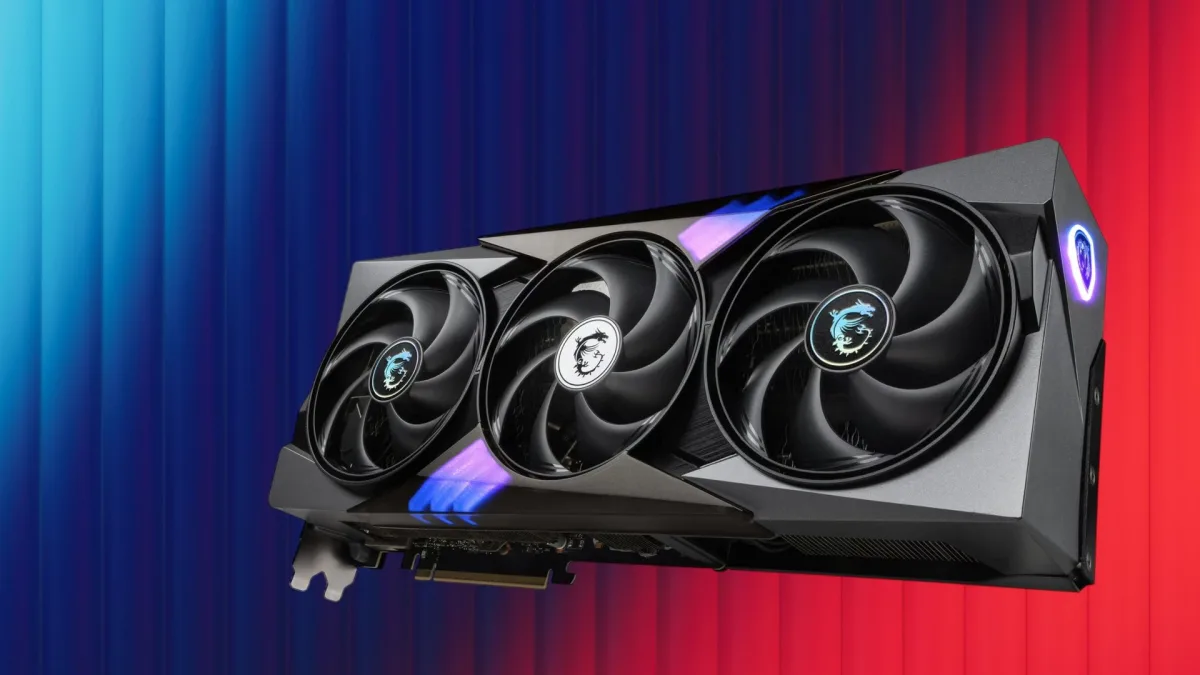
Nvidia has stopped manufacturing its GB202-based GeForce RTX 5090-series consumer graphics cards, including variants designed for the Chinese market, according to a factory notice obtained by market observers @hongxing2020 and @Zed__Wang. The chip giant plans to allocate all remaining GB202 silicon exclusively to data center and professional graphics accelerators going forward, the sources claim.
According to a notification from the factory, Nvidia will no longer manufacture any RTX 5090 models, including the D variants. Going forward, the highest-end GeForce graphics card will be the RTX 5080 24GB, while the RTX 5080 16GB version will be discontinued. Please spread the word.
Factory notice cited by @hongxing2020
Nvidia has not officially confirmed the report, and the company typically declines to comment on unverified claims. The Silicon Ledger contacted Nvidia for a statement but received no response at the time of publication.
Economic incentive for the shift
The move aligns with Nvidia's financial interests, since data center and professional graphics boards command significantly higher prices than consumer cards. The RTX Pro 5500, which contains the same 21,760 CUDA cores as the GeForce RTX 5090, carries 84GB of GDDR7 memory compared to the consumer card's 32GB and targets professional visualization and AI workloads. The higher-end RTX 6000 Pro, featuring 24,064 CUDA cores and 96GB of memory, can retail for $15,000.
By eliminating consumer GB202 products, Nvidia prevents its own affordable graphics cards from undercutting its professional accelerators in the competitive AI market. This strategy allows the company to concentrate its constrained semiconductor supply on products with better profit margins while maintaining its gaming segment presence, since the RTX 5080 and RTX 5090 lack direct competitors from other manufacturers.
Market availability and inventory
Even if Nvidia has halted GB202 shipments for consumer use, RTX 5090 boards will likely remain available in the near term. Add-in-board partners, distributors, and retailers maintain existing inventories of both processors and finished cards that could sustain supply for some period. However, once these stocks deplete, RTX 5090 availability will shrink and prices will likely rise.
Potential product roadmap implications
Nvidia may be preparing a refresh of its GeForce RTX 50-series lineup. Industry sources have long suggested the company is working on GeForce RTX 50 Super variants, including an RTX 5080 Super with 24GB of GDDR7 memory, though these launches have reportedly faced delays due to memory availability issues. The rumored RTX 5080 24GB could represent a revival of these plans, potentially benefiting from improved memory supply now that the RTX 5090 32GB has been discontinued.
Nvidia's next-generation Rubin-based GeForce RTX 60-series processors remain in development, but recent reports indicate they will not launch until late 2027 or 2028. If the RTX 5090 discontinuation reports prove accurate, Nvidia could leave the high-end gaming segment without a flagship GB202-class option for an extended period, potentially creating urgency for consumers seeking the most powerful consumer graphics card currently available.