Nvidia marks two decades of the GeForce 8800 GTX with free Steam demo featuring cutting-edge graphics
The chipmaker is commemorating the 2006 launch of its landmark graphics card with an interactive unboxing experience that paradoxically demands the latest RTX hardware to fully appreciate.
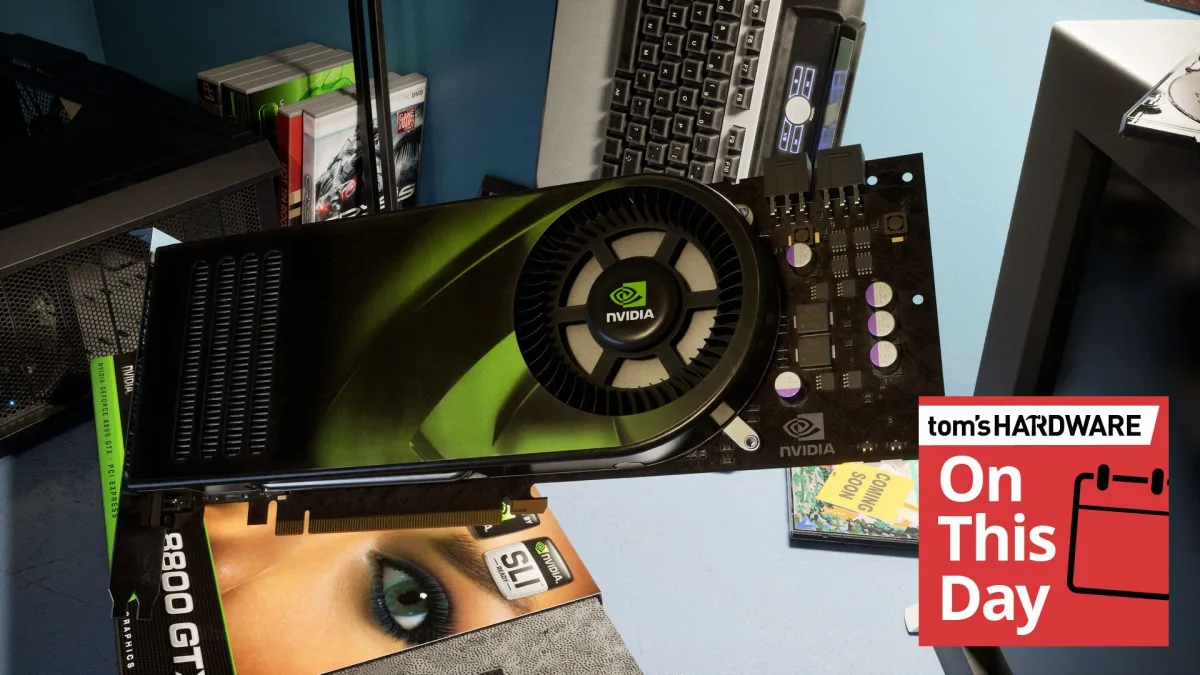
Nvidia is marking the twentieth anniversary of the GeForce 8800 GTX and 8800 GTS, which debuted in 2006, by releasing GeForce 8800 GTX - 20 Years of a Legend, a free interactive demo now available on Steam. The experience takes the form of a semi-interactive path-traced unboxing sequence, though viewers who lack the requisite hardware can simply watch a video version instead.
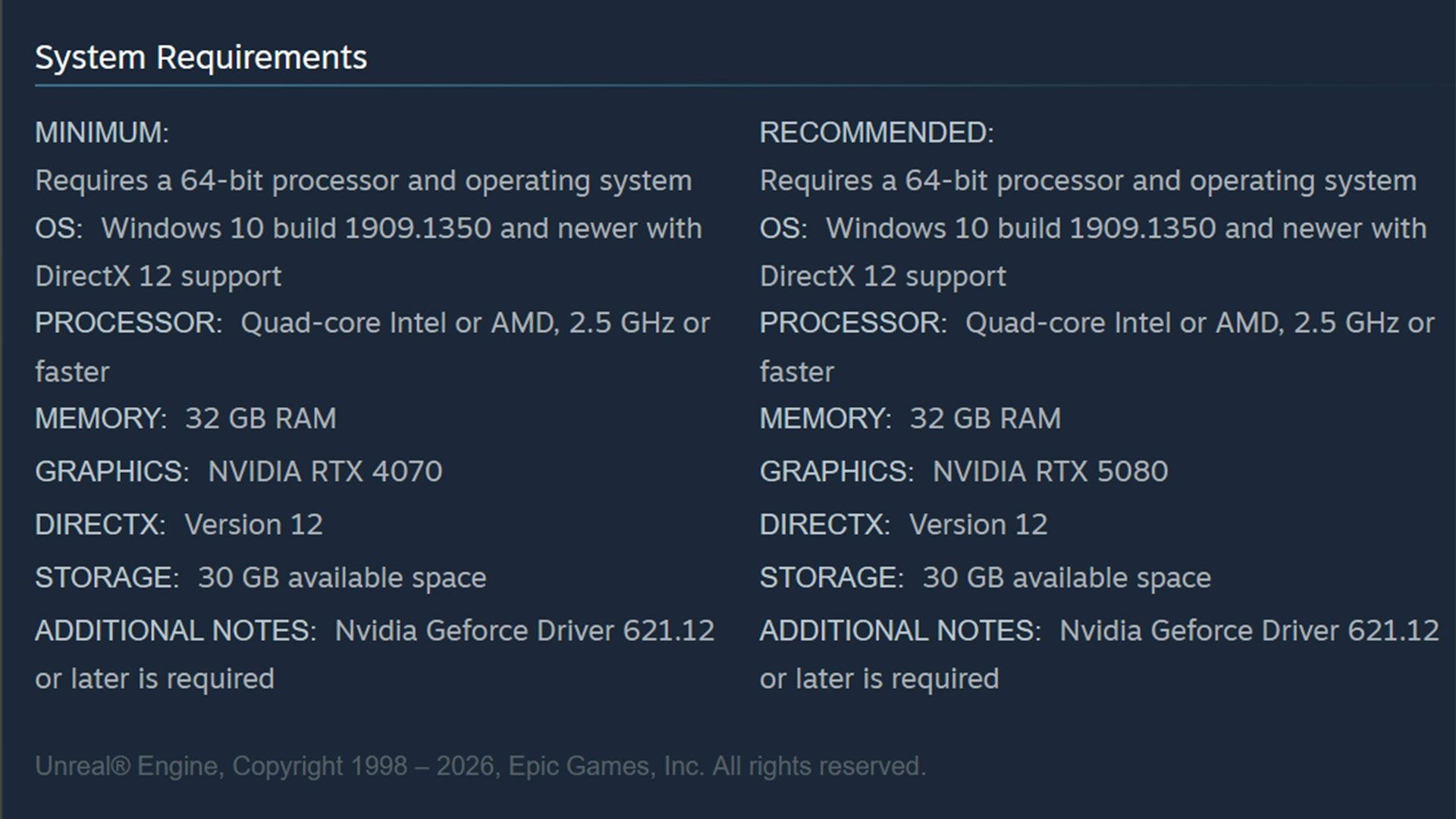
The downloadable demo was developed by Dylan Browne, a senior special effects artist who regularly collaborates with Unreal Engine. Running the full experience demands substantial system resources: an RTX 5080 for the recommended specifications, along with 32GB of RAM and 30GB of available storage space. For those with less powerful setups, Steam's listing suggests an RTX 4070 as the minimum to achieve acceptable performance on a 2026-era PC.
The interactive experience showcases contemporary graphics capabilities that were unavailable when the original card launched. According to Nvidia, the demo incorporates "DLSS 4.5 with Dynamic Multi Frame Generation, Ray Reconstruction, path tracing, and Mega Geometry." Beyond visual inspection and manipulation of the GPU model, the demo includes hidden Easter eggs for users to discover.
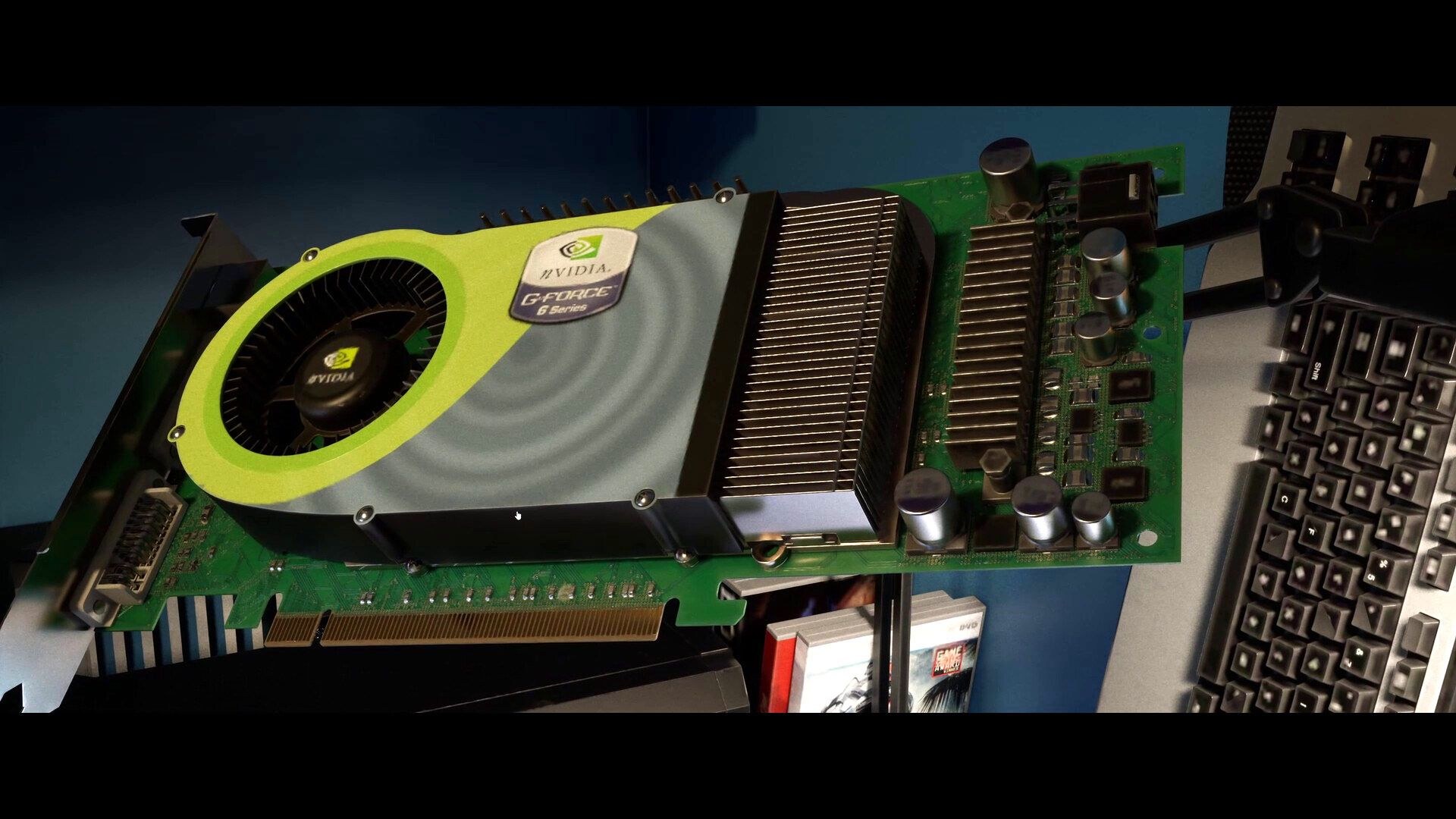
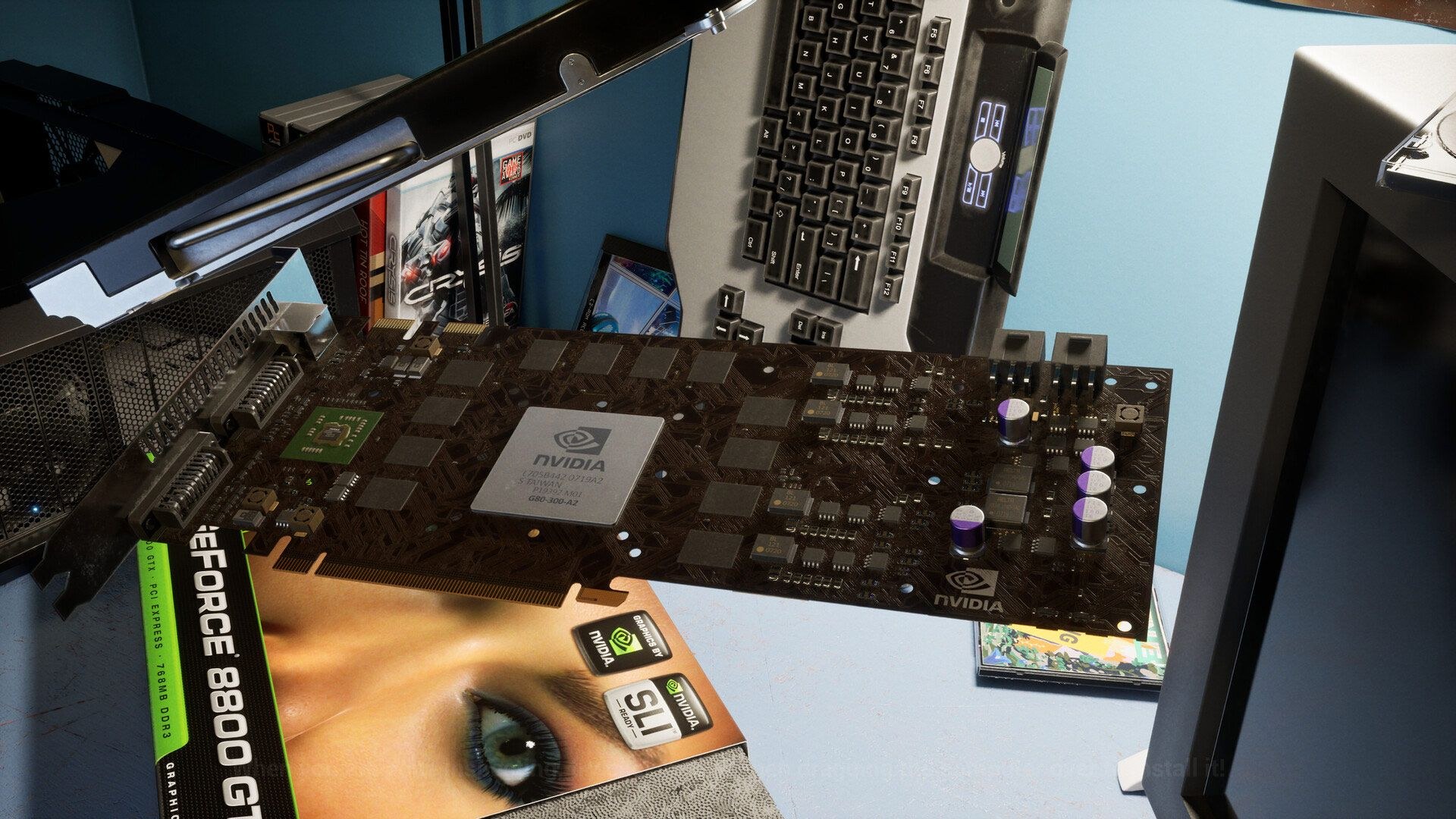
The recreation depicts Windows Vista running on a period-appropriate PC setup, a fitting choice given that Vista's retail launch occurred several months after the 8800 GTX entered the market. The two products would coexist throughout 2007 and beyond, as many users installed these graphics cards into their Vista systems. The legendary Crysis, which arrived in late 2007, represented the kind of demanding title that benefited from the G80 architecture's capabilities.
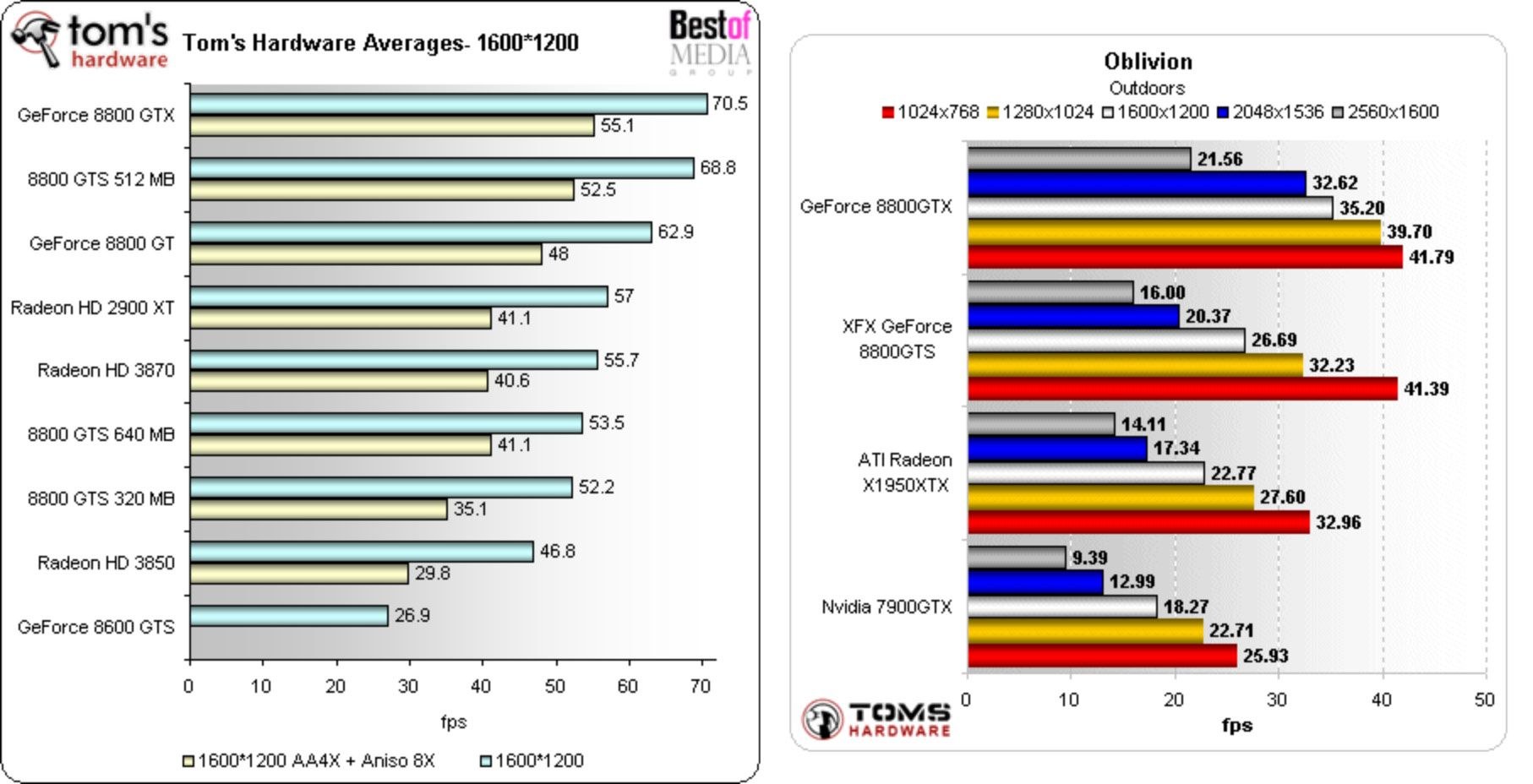
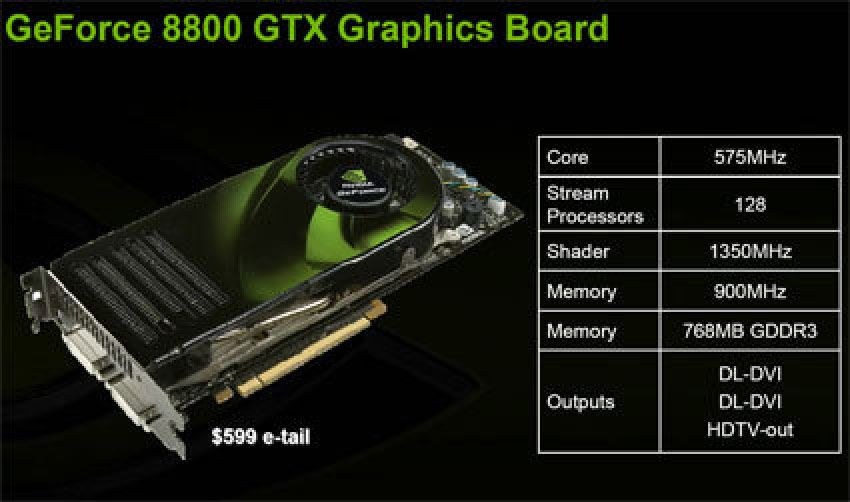
When Nvidia introduced the GeForce 8800 GTX and 8800 GTS in 2006, they carried price tags of $599 and $449 respectively. The 8800 GTX featured 128 shader units while the 8800 GTS included 96. These cards spearheaded the DirectX 10 generation, enabling both enhanced performance in existing titles and visual improvements in software built specifically for the new API. Contemporary reviews praised the cards as "amazing" for their performance and DirectX 10 promise, while also highlighting the G80 architecture's introduction of CUDA to consumer markets and its potential to transform the GPU into something beyond a graphics rendering tool.
Driver support for both cards eventually ceased roughly a decade after their launch, as DirectX 11 hardware and games became the industry standard. The older G80 architecture-based cards subsequently became inadequate for running contemporary AAA PC titles, rendering them obsolete for modern gaming purposes.