Norwegian salmon farms deploy 3,500 AI laser drones to combat sea lice
Stingray Marine Solutions now operates over 3,500 submarine robots armed with lasers around Norwegian salmon pens, protecting more than 112 million fish from parasitic infestations without chemical treatments.
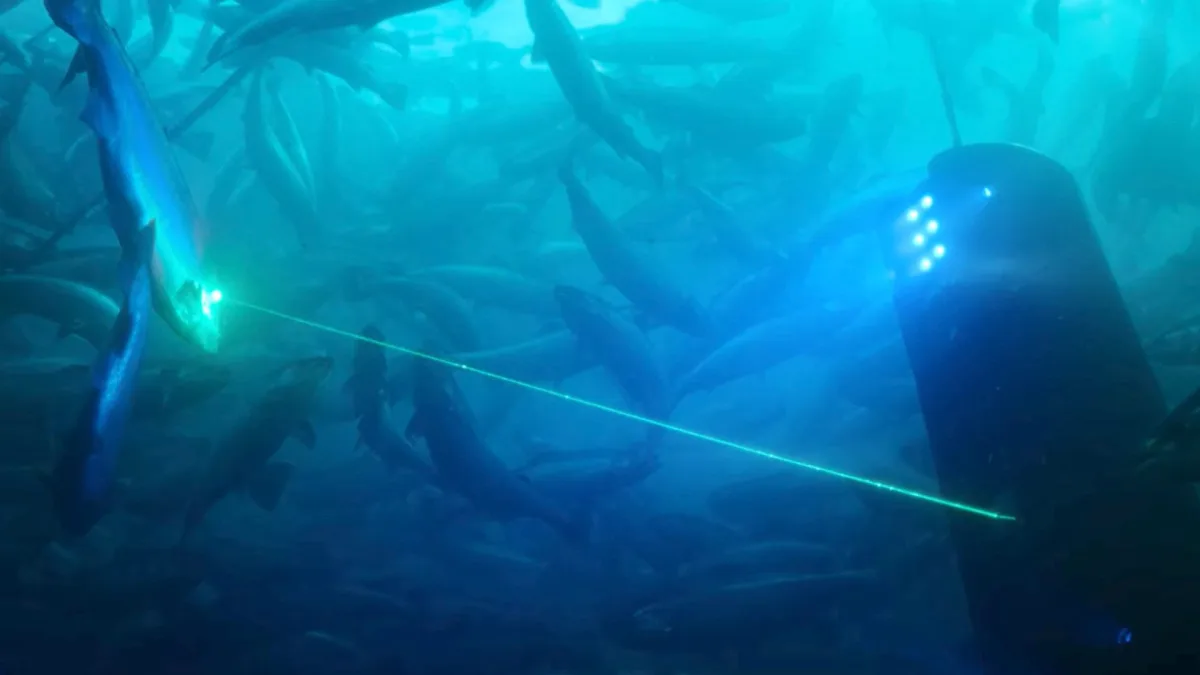
Submarine robots equipped with artificial intelligence and laser systems have proven highly effective for Norwegian salmon farming operations, according to the latest annual report from Stingray Marine Solutions. The Oslo-based company now maintains deployments exceeding 3,500 units positioned around salmon pens throughout the Norwegian coast, safeguarding over 112 million fish. The fleet has expanded by approximately 1,000 units over the past twelve months, establishing itself as one of Scandinavia's largest commercial AI implementations.
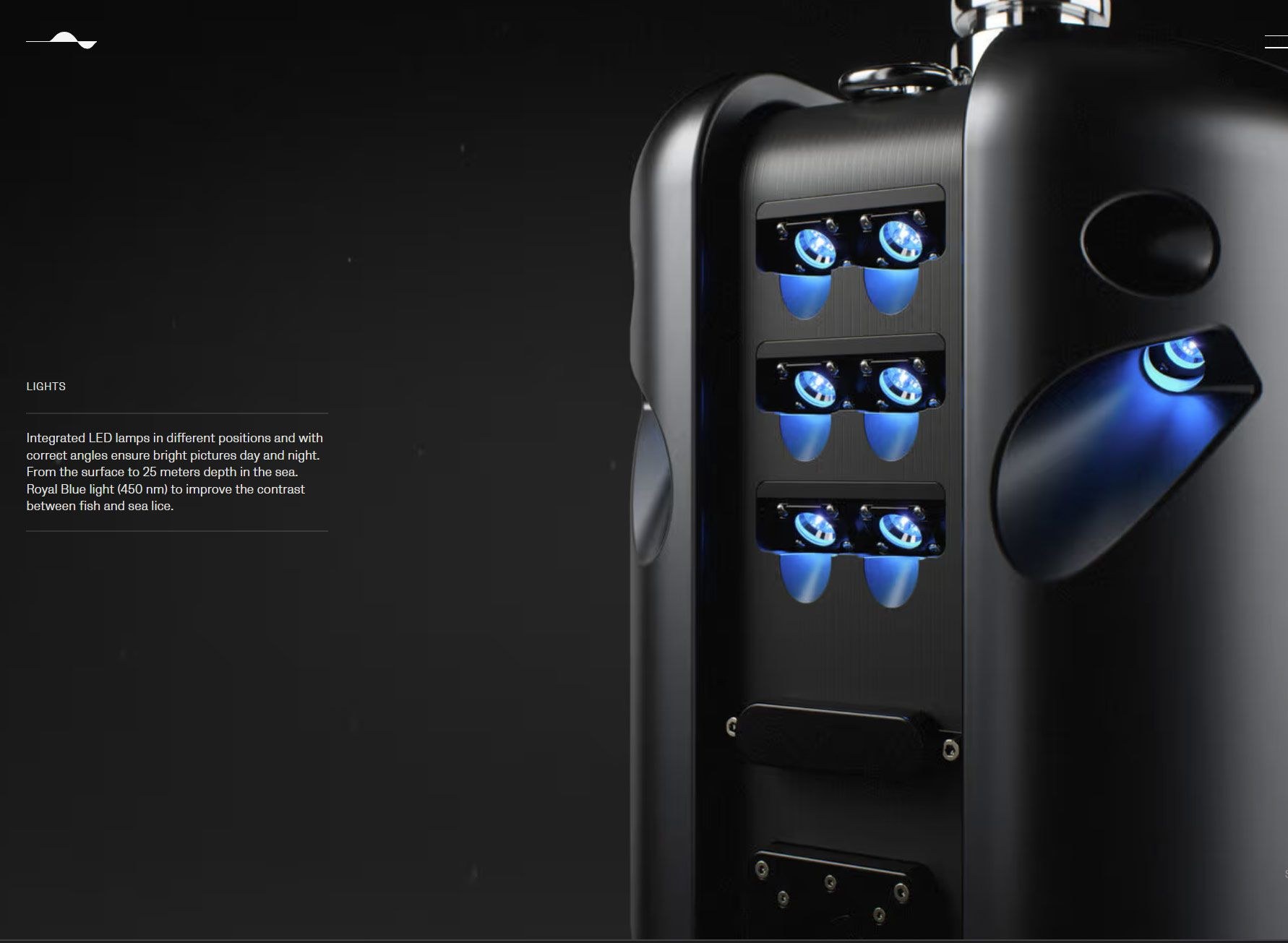
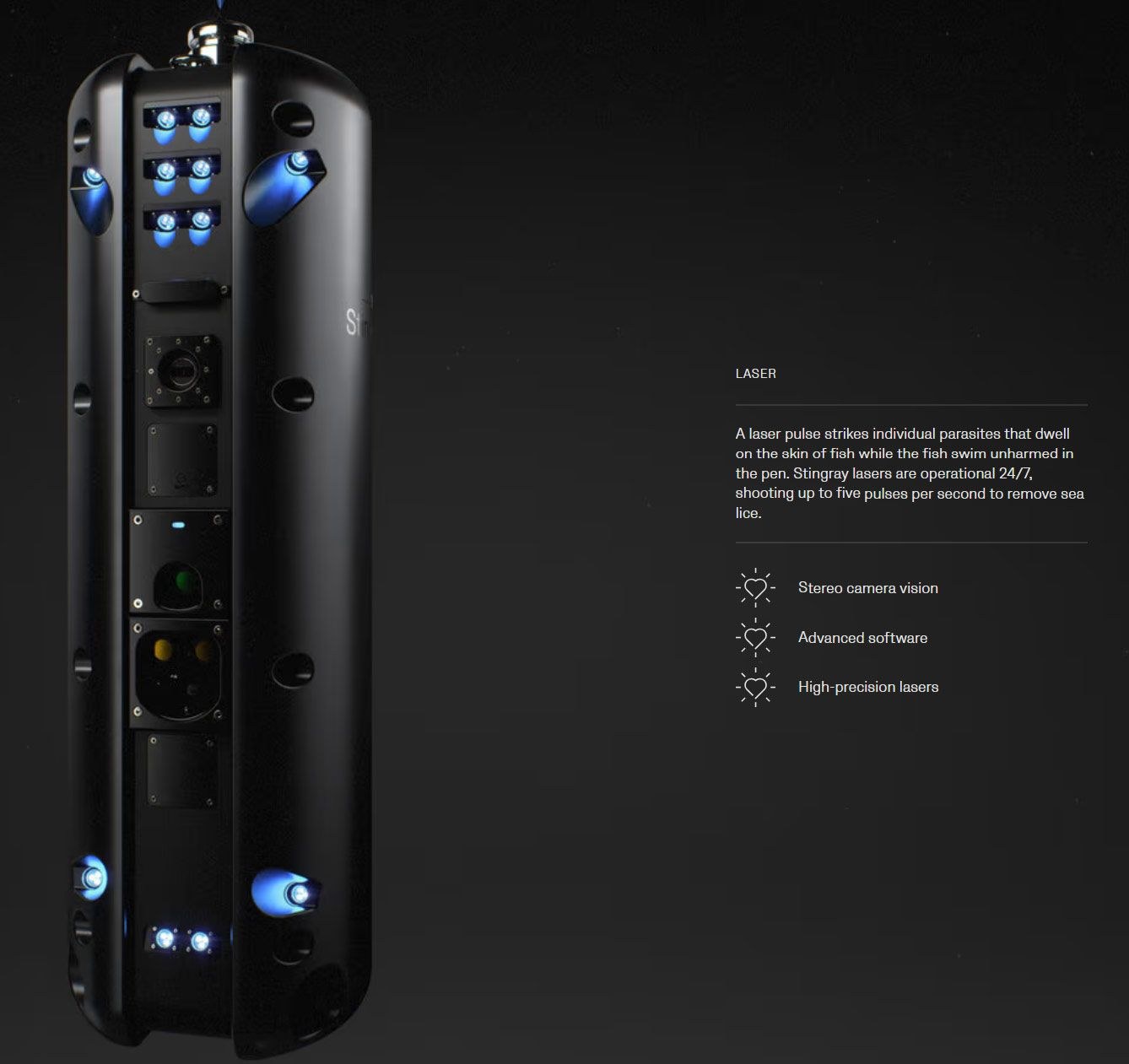
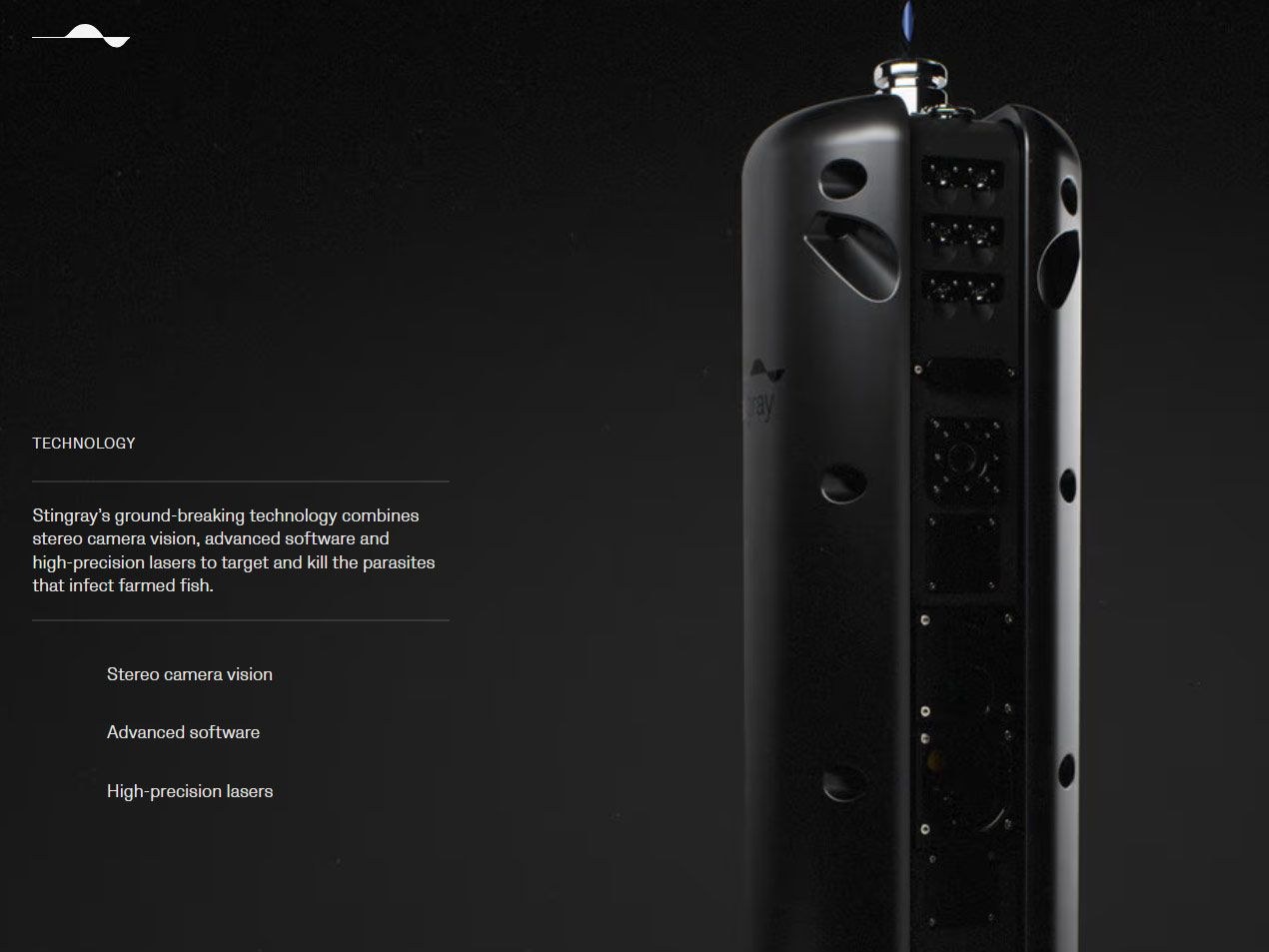
These robotic systems now protect between 20 and 25 percent of Norway's farmed salmon stock. By using AI-powered laser technology to eliminate sea lice—a process known as optical delousing—farmers avoid subjecting fish to damaging chemical treatments. This approach yields measurable benefits: improved fish growth rates, enhanced animal welfare, and lower mortality rates among treated populations.
Stingray Marine Solutions employs 250 people across its operations. The company's laser-equipped submarines use artificial intelligence algorithms to identify and target sea lice with precision. Operating continuously throughout the day and night, the robots patrol salmon pens while fish move freely in their enclosures.
Why sea lice control matters
Sea lice infestations represent a persistent challenge throughout the aquaculture industry. Historically, fish farmers relied on chemical-based control methods to manage parasite populations. While such treatments can address large numbers of fish simultaneously, they carry significant drawbacks: environmental harm, stress to the animals, development of chemical resistance in lice populations, and the introduction of toxins into food production systems.
The Stingray approach eliminates these concerns. The system targets only sea lice, operates without interruption as fish inhabit their pens normally, introduces no chemical substances, and prevents the emergence of resistance. The reduction in sea lice populations also benefits wild fish communities in surrounding waters.
Limitations and considerations
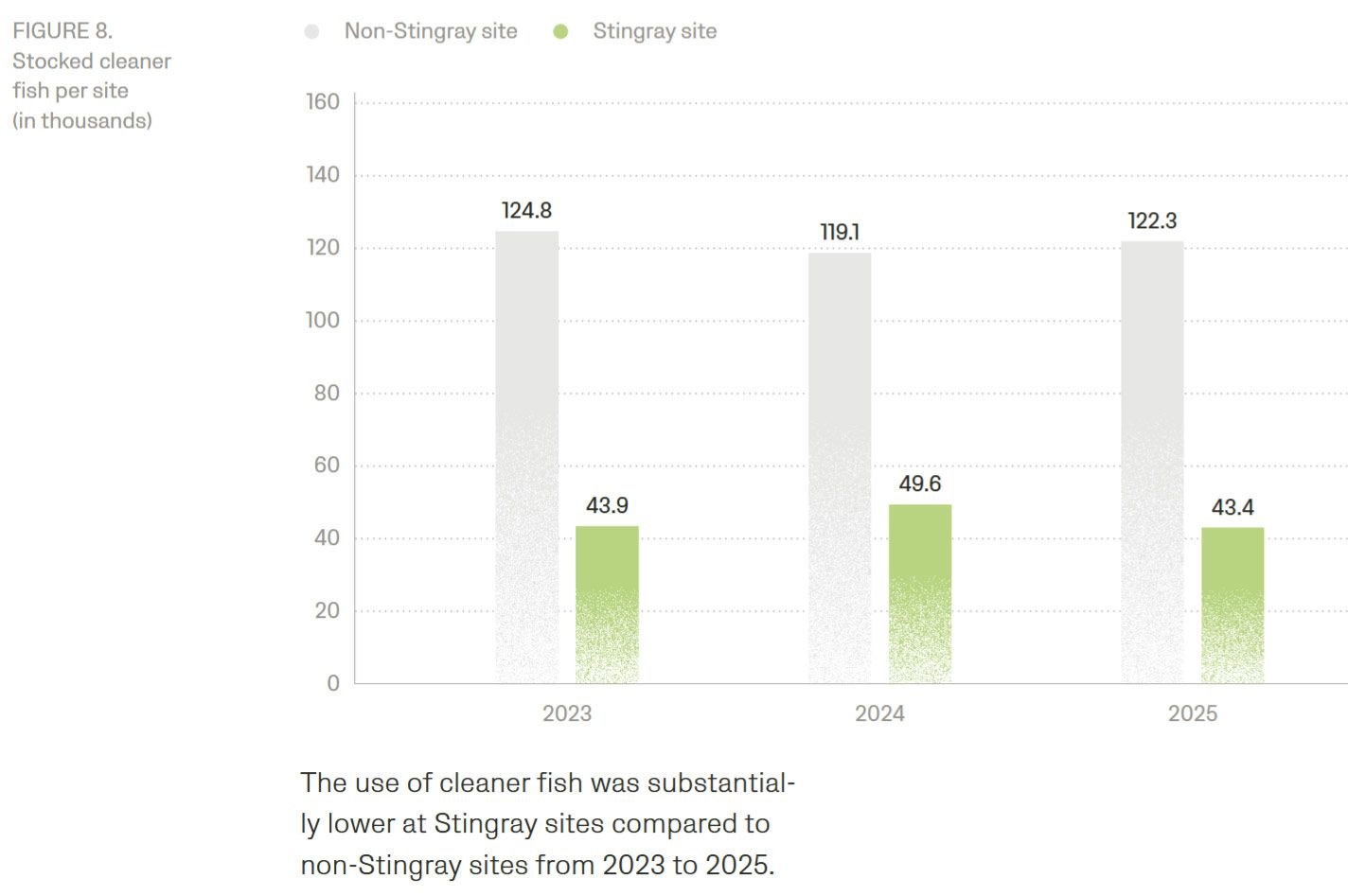
Despite their effectiveness, laser-armed drones present certain constraints for farming operations. Initial deployment expenses represent a significant financial barrier for many businesses. Additionally, the technology functions optimally as a preventative tool, maintaining low localized lice populations rather than eliminating established infestations. The robots' operational range remains confined to the salmon pens themselves, allowing sea lice to accumulate in shadowed areas and zones beyond their patrol coverage.