Microsoft shelves Copilot+ label as AI PC branding loses its cachet
Two years after its 2024 debut, Microsoft is quietly retiring the Copilot+ brand from new Surface laptops, even as devices meet the original technical requirements. The shift reflects changing market conditions and a broader recalibration of the company's AI strategy.
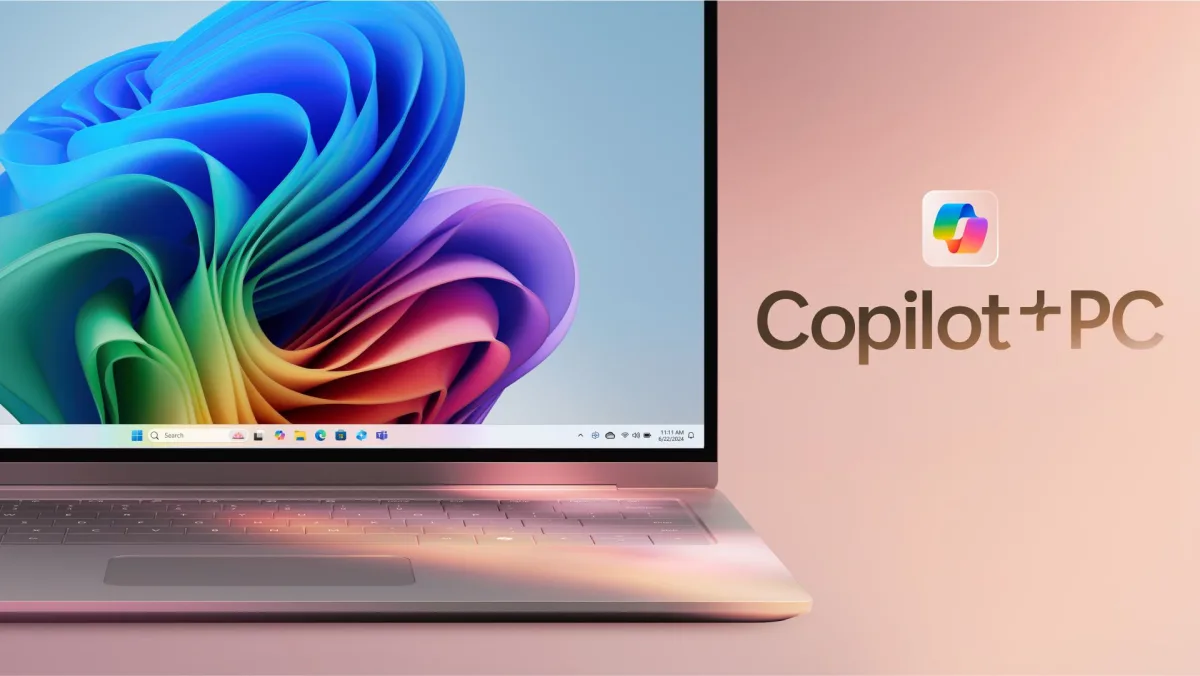
Microsoft introduced the Copilot+ designation in 2024 to mark devices equipped with neural processing units and capable of delivering 40 or more TOPS of AI performance. Following a difficult launch and weak uptake over the subsequent two years, the company has begun phasing out the branding without fanfare. Brett Ostrum, corporate vice president for Microsoft Surface, disclosed the shift to Windows Central during an interview at Snapdragon Summit 2026.
These are not called Copilot+ PCs. They do meet all the requirements of our previous bar for what Copilot+ devices are. We still lean into the narrative around AI on the edge and being able to have a hybrid out there.
Brett Ostrum, Microsoft Surface CVP
The absence of the Copilot+ label extends to machines that would have qualified under the original criteria. The forthcoming Nvidia RTX Spark N1X and Microsoft's Project Zenith both lack the designation. Concurrently, Microsoft is reducing Copilot's footprint within Windows 11, pledging to enhance system performance, stability and update cycles. The company has also committed to making Copilot function on machines with just 8GB of RAM, responding to ongoing constraints in the memory market.
The company is not abandoning Copilot entirely on the software side. Microsoft has overhauled Copilot with fresh capabilities including Home, Code, and Autopilot variants. Testing has also begun on Copilot+ features that leverage discrete graphics processors, potentially opening these tools to systems lacking integrated NPUs. An AI consultant's analysis of Microsoft's Copilot portfolio identified more than 80 distinct products, with additional offerings likely remaining unmapped.
Microsoft has not articulated an explicit rationale for retiring the branding, though the reasoning appears straightforward. As mainstream and premium processors now routinely incorporate NPUs capable of surpassing the 40 TOPS threshold, the differentiation that once justified a separate category has eroded. The ongoing shortage of memory chips has made the original 16GB minimum requirement economically burdensome. Microsoft has removed its 32GB recommendation from its website and begun shipping new Surface for Business machines with configurations as low as 8GB.
The trajectory of the Copilot+ sunset remains uncertain regarding whether all Windows 11 machines will gain access to AI capabilities previously restricted by the brand. Regardless of the hardware designation's fate, the Copilot name is expected to persist within Windows and across Microsoft's product ecosystem.