Microsoft Pushes Back Against Proposed Ban on Chinese Optical Networking Components
The software giant and industry groups are lobbying against an FCC proposal to restrict imports of Chinese optical transceivers, warning that such a move could severely hamper data center expansion.
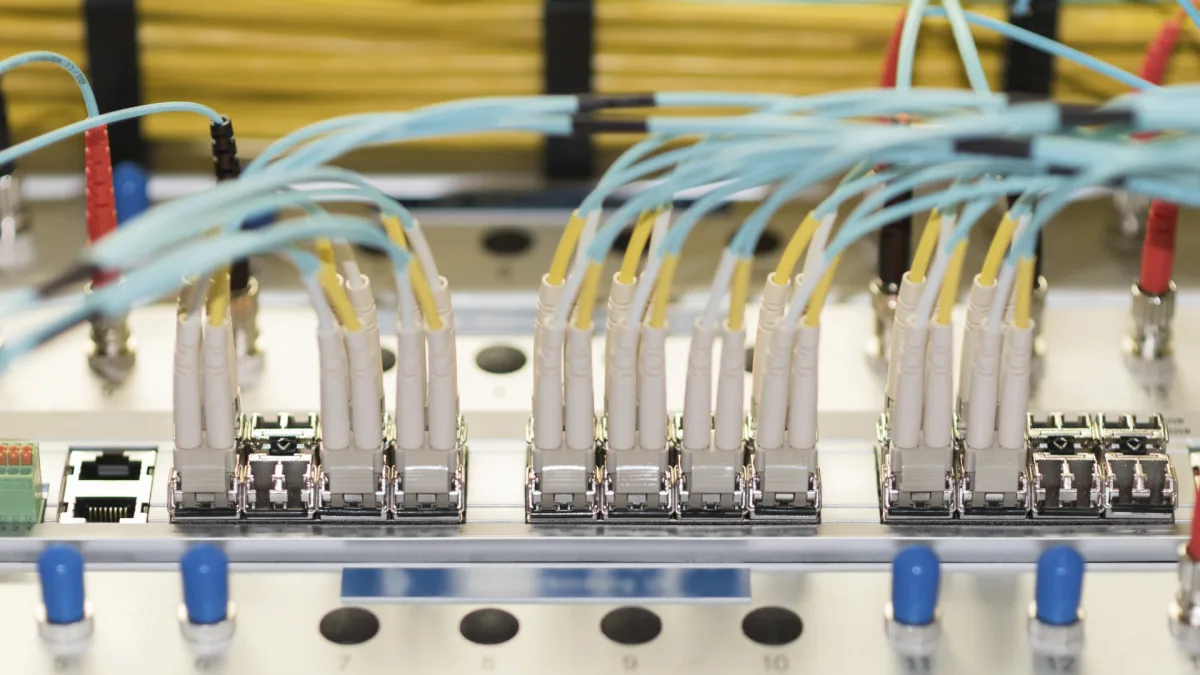
Microsoft, which is constructing 35 data centers across the United States with an additional 134 planned, has engaged with the White House Office of Science and Technology Policy and the National Security Council regarding a potential FCC import restriction on Chinese optical transceivers, Reuters reported. The company is mounting a coordinated lobbying effort alongside the Information Technology Industry Council (ITI) to oppose the measure.
"It really threatens to arguably grind (the data center rollout) to a halt," said John Miller, ITI Executive Vice President of Policy and General Counsel. He elaborated: "Those chips, without optical transceivers, literally could just sit there waiting around unutilized until you actually have the transceivers to essentially connect them together," describing the predicament facing AI processors deployed in data centers.

Optical transceivers function as compact modules that attach to networking equipment, transforming electrical impulses into light-based signals for transmission across fiber optic cables. Modern data centers rely heavily on these components and fiber optic infrastructure to move information between AI GPUs and server racks, since this approach delivers faster speeds, reduced latency, lower power consumption, and minimal heat generation compared to traditional copper-based systems. Yet Chinese manufacturers currently control 66% of worldwide supply, meaning a U.S. import ban would reduce available capacity by more than half and intensify ongoing supply chain disruptions.
Security officials worry that Beijing could compromise certain transceivers to enable data theft, malware deployment, or remote attacks on American data center infrastructure—the same rationale behind the FCC's earlier prohibition of Huawei equipment from U.S. telecommunications networks. The distinction here is significant: whereas Huawei faced numerous established competitors in telecom hardware, only two American manufacturers—Coherent and Lumentum—currently produce optical transceivers suitable for data center applications. Although these companies could theoretically scale up production to offset Chinese imports, their current capacity falls far short of what would be required to fill the gap immediately.
The Trump administration has proposed a narrower alternative: restricting only Chinese optical transceivers capable of achieving 3.2 terabits per second throughput. While such technology already exists, widespread manufacturing is not anticipated until 2028, with deployment beginning in 2029. This timeline would theoretically allow American producers to expand their manufacturing base, though the proposal remains under review.