Microsoft Declares 'Code Red' After November Outage Exposed Critical Response Gaps
Internal memos reveal that Microsoft's Exchange Online, Teams, and Outlook went down on November 12 with unprecedented customer impact, prompting the company to overhaul its incident response and engineering practices.
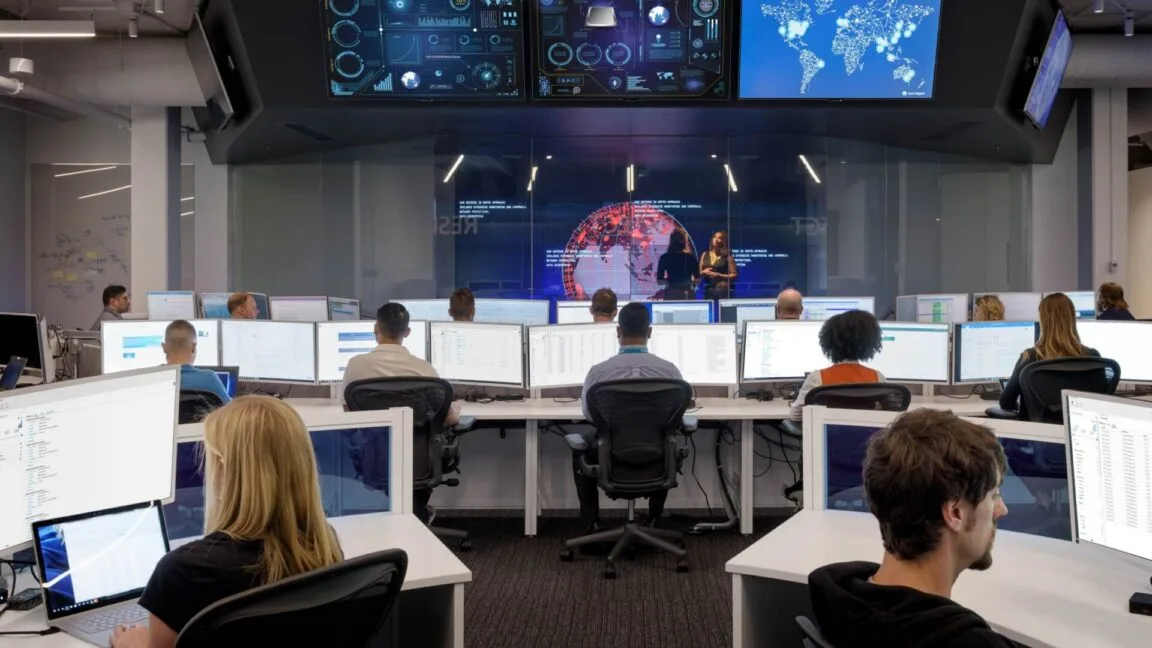
Following a major outage on November 12 that knocked Exchange Online, Teams, and Outlook offline globally, Microsoft has initiated what internal documents describe as a "Code Red" restructuring of its engineering response procedures, according to memos obtained by Reuters.
In the internal communications, Microsoft 365 Core President Jason Henderson characterized the disruption as causing "the most customer impact in the history of Exchange Online." Henderson also noted a troubling gap in the company's response speed: a critical production fix deployed during the incident required five to six days to reach full worldwide deployment, falling far short of Microsoft's stated target of moving from detection to safe global rollout in a single hour. "Needless to say, we aren't here yet," Henderson wrote.
The November 20 post-incident report attributed the outage to a Windows scalability defect that had gone undetected since July. This flaw created lock contention in gateway processes, and the situation worsened when Teams traffic failover sent additional load onto already-strained infrastructure. At the moment the incident struck, maintenance work had taken nearly 14 percent of gateway server capacity offline.
Amanda Silver, a corporate vice president managing Microsoft 365 Core and Work IQ, described the response effort as operating under a "fog of war." Engineers coordinating the response generated more than 11,000 messages across 11 separate Teams chats, which scattered diagnostic information and fractured the overall picture of what was happening. Charles Lamanna, executive vice president of Copilot, Agents and Platform, told the Code Red review that the affected component had accumulated "roughly ten years' worth of acceptable failures."
Microsoft has stated that no cyberattack or malicious activity caused the outage, and that AI tooling played no role in creating the defects. The Code Red overhaul outlined in Silver's memo centers on five workstreams addressing load shedding, geographic traffic partitioning, and faster recovery mechanisms. According to Reuters, Microsoft intends to deploy its own AI agents to help engineers process system health data more rapidly as part of its incident response improvements. Henderson announced he will conduct daily meetings with the Substrate leadership team, which manages the engineering organization responsible for Microsoft 365 services.
The company has established targets of one-hour worldwide resolution for major incidents and one-hour deployment windows for urgent security fixes. Microsoft has not disclosed when it expects to achieve these goals or how it will prevent future incidents from spawning the kind of fragmented communication that characterized the November 12 response.