Micron's $31,650 Taiwan bonus rejected as workers demand permanent profit-sharing
Micron announced its largest rewards package in company history for over 60,000 global employees, but unions representing 10,000 workers in Taiwan rejected the offer, demanding a 15% profit-sharing model instead.
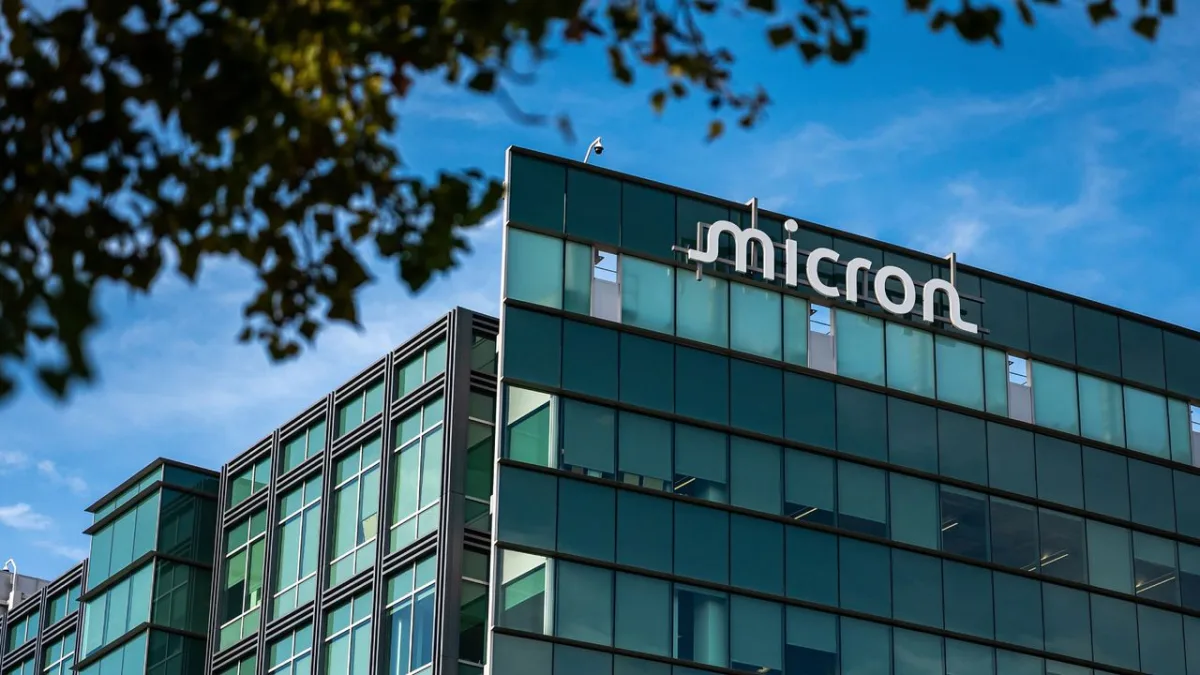
Micron has unveiled a one-time cash appreciation bonus of NT$1 million (US$31,650) as part of a broader compensation package for its Taiwan-based workforce, according to a Reuters report. The full package will provide each eligible employee with a minimum total of NT$1.7 million ($53,809.39). The company characterized the payouts as the largest rewards package in its history, noting that more than 60,000 employees worldwide will receive scaled rewards for fiscal year 2026 following what it described as an extraordinary year.
Record profits fuel bonus debate
Micron's cumulative net income across the last four quarters has surpassed $50.47 billion, driven by strong sales of high-demand memory chips. The company recorded a net income of $28.24 billion in Q3 2026 alone, representing a 346% year-over-year increase. Despite these results, the union representing workers at Micron's Taoyuan plant formally rejected the bonus proposal, characterizing it as a distraction from substantive negotiations.
Bonus structure and eligibility
Taiwan-based employees hired on or before August 29, 2025, qualify for the flat NT$1 million cash bonus, while those hired during fiscal year 2026 will receive prorated amounts. For direct manufacturing and production-line workers, total bonus rewards equal 35 to 68 months of basic salary. Direct labor employees will receive a minimum total cash compensation of NT$1.7 million (US$53,809), while junior engineers are projected to receive average total compensation of NT$3.4 million (roughly US$106,250), comprising NT$2.9 million in cash and the remainder in equity grants.
Union demands structural change
Unions representing 10,000 of Micron's 15,000 Taiwan workforce began threatening a strike on September 1, seeking compensation packages comparable to those offered by Samsung, where employees will receive over $300,000 in bonuses. The Taiwanese government intervened to force mediation, but talks collapsed on September 4 when both sides could not reach agreement. Micron announced the NT$1 million bonus package a week later.
In response to Micron's announcement, the union stated that the new package "sidestepped" the real discussion about a transparent bonus system. The union is advocating for structural change, including a permanent profit-sharing model in which 15% of the company's operating profits are allocated directly to workers and distributed quarterly. They are also demanding a larger one-off payment equivalent to roughly 83 months of salary for fiscal year 2026.
Last September, South Korea's SK Hynix reached a settlement with its union to allocate 10% of annual operating profit directly to employees as performance bonuses for the next decade, eliminating bonus caps.
Industry-wide pattern
Comparable disputes have emerged across the semiconductor industry as companies generate unprecedented profits from the artificial intelligence boom. Workers in these sectors believe they should participate in profits and are requesting permanent institutional mechanisms to ensure fair compensation during high-profit periods, rather than depending on discretionary bonuses determined solely by management. Samsung's unions prepared to strike before reaching an agreement with the company and held a demonstration attended by over 30,000 union members.
Next steps and strike threat

Following the union's rejection of Micron's proposed payout, the threat of a strike persists. A critical second round of mediation is scheduled for September 21, 2026. If that meeting breaks down, the union plans to hold a vote allowing members to strike. In an earlier internal survey, 80% of union members voted in favor of a strike.