Mexican authorities dismantle cryptocurrency mining operation tied to drug cartels in Puebla raid
Police discovered a clandestine GPU mining facility in the mountains of Puebla, seizing 300 graphics processors and satellite equipment in what marks the fourth such bust in the region since early last year.
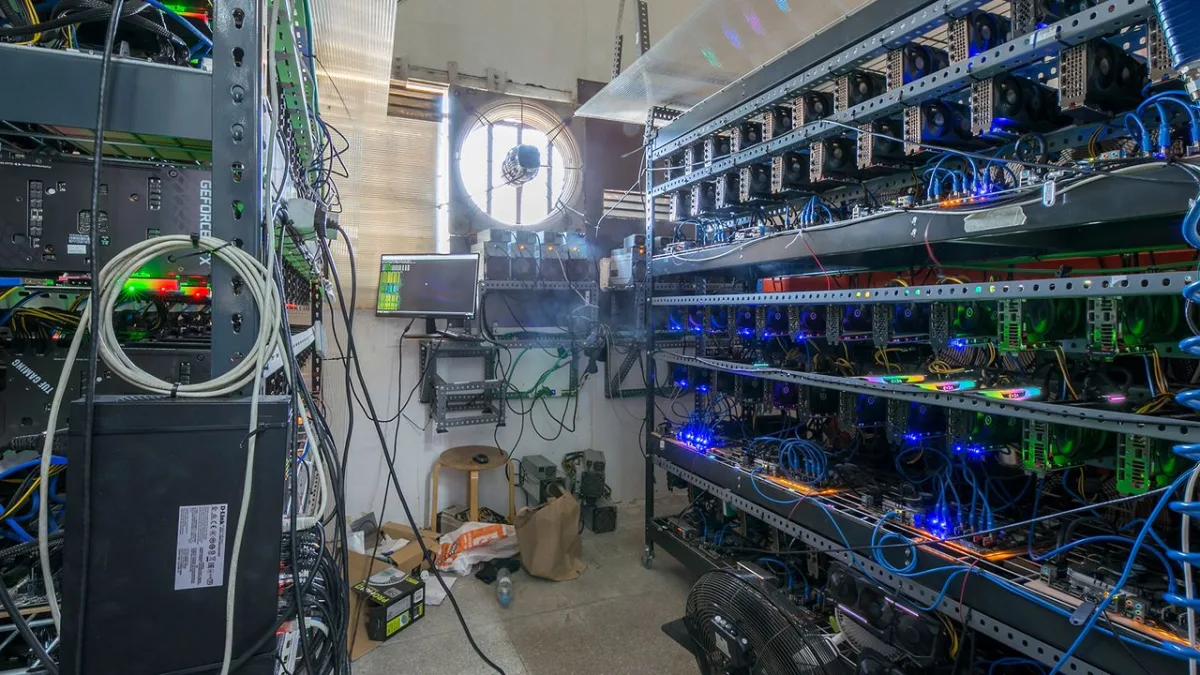
Authorities in Mexico have uncovered another illegal cryptocurrency mining operation, this time in Tlaola, a remote town nestled in Puebla's Sierra Norte mountain region. The facility contained 300 GPUs alongside electrical infrastructure and satellite communication equipment. Investigators believe the operation siphoned power illegally from Presa de Necaxa, a hydroelectric dam situated nearby.
Growing intelligence suggests Mexican drug cartels are expanding into cryptocurrency mining as a means to diversify revenue streams while simultaneously laundering proceeds from their criminal enterprises and financing additional illegal operations. This latest discovery represents the fourth cryptocurrency farm that Mexican law enforcement has dismantled in this particular region since the beginning of last year. Security analysts based in Mexico characterize these operations as evidence of increasingly sophisticated cartel infrastructure. Federal authorities, naval forces, and state police confiscated approximately 300 GPUs, 80 medium-voltage terminations, one transformer, and eight satellite antennas during the raid.
The expansion into digital assets reflects broader trends in criminal finance. Chainalysis, a blockchain analysis company, documented that illicit cryptocurrency transactions surged from $59 billion in 2024 to $154 billion in the following year, with much of this growth driven by sanctions circumvention efforts by state actors. In South America specifically, criminal organizations have increasingly embraced cryptocurrency as a money laundering mechanism. Mining operations serve as a natural complement to this strategy, as organized crime groups can readily exploit stolen electricity. The proliferation of used graphics cards following the collapse of mainstream consumer GPU mining in the second half of 2022 has made equipment acquisition straightforward.
The exact method by which authorities identified the facility remains undisclosed. However, residents from adjacent communities reported to Reuters that the operation produced audible noise from transformers and cooling systems at distances exceeding one kilometer, or roughly 0.6 miles. The installation sat merely 2 kilometers, approximately 1.2 miles, from the nearest inhabited village. The three other recently discovered cryptocurrency farms in the region were similarly positioned near the same hydroelectric facility. Tlaola itself is a modest community with approximately 20,000 residents, making the power consumption and acoustic signature of industrial-scale mining operations difficult to conceal despite efforts to locate them in mountainous terrain.
Remote locations like Tlaola present attractive sites for illicit mining because electricity costs remain low and cartel organizations maintain effective control over these areas. The Cartel Jalisco Nueva Generación (CJNG) and its military wing, La Barredora, exercise dominant influence throughout Puebla.
According to SILIKN, a Mexican cybersecurity organization, cryptocurrency mining employed for money laundering purposes increased by at least 55.8% throughout Mexico during the previous year. Major cartels including the Cartel de Sinaloa and the CJNG have established mining operations targeting Bitcoin (BTC), Monero (XMR), and Tether (USDT).
Comparable underground mining operations have surfaced globally, with documented raids occurring in Brazil, the United States, and Thailand. Law enforcement and security experts anticipate that cryptocurrency-related criminal activity will intensify in the years ahead.

Source: Tom's Hardware