Dell's AI Play: Supply Constraints Force Earlier Customer Planning
As demand for AI infrastructure outpaces available supply, Dell Technologies is shifting its sales strategy away from price negotiations toward collaborative long-term planning with customers, according to executives at the company's New York Symposium.
Artificial intelligence infrastructure demand has far exceeded what suppliers can deliver, fundamentally reshaping how large enterprises approach technology purchases. The traditional strategy of holding out for end-of-quarter price cuts now carries real risk: projects can languish in fulfillment queues while waiting for hardware that may not arrive when needed.
Dell Technologies Inc. stands at the center of this transformation. The company's AI server business generated an earnings beat last quarter despite rising component expenses, signaling that availability now trumps cost in buyer calculations. According to David Schmoock, senior vice president of global revenue operations at Dell, success in this environment hinges on engaging customers months before formal procurement begins rather than simply responding to requests for proposals.
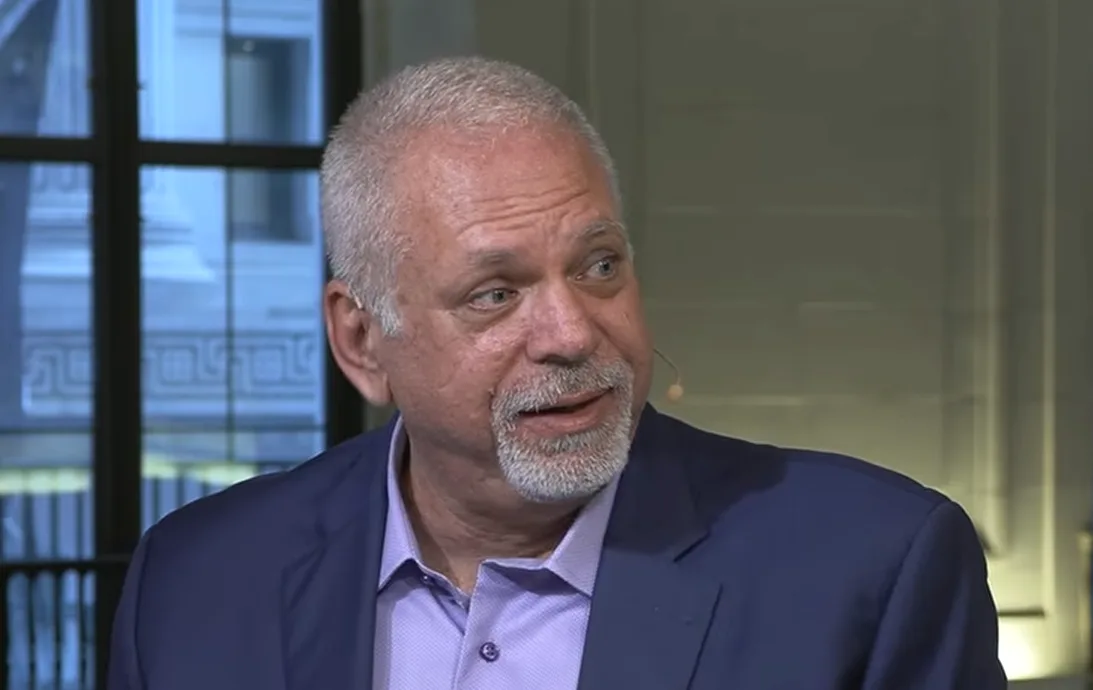
"I think it is a period of turbulence," Schmoock said. "I think people are waking up to say we need to plan longer-term horizons." He made these remarks during an exclusive interview with theCUBE Research's Dave Vellante at the Dell Technologies New York Symposium.
Supply constraints reshape the sales cycle
The acceleration in demand started last November, with graphics processing unit servers for AI pulling standard x86 servers along in its wake, Schmoock explained. Dell Chief Operating Officer Jeff Clarke disclosed to investors in September that shortages had extended well beyond memory, storage and central processing units to encompass rack-level cooling, networking and power components. Facing these constraints, Dell now insists that customers disclose deployment timelines far in advance of traditional hardware cycles.
"The key, though, is how do we plan with our customers earlier? If you come to us late in our cycle, yeah, we'll respond to [a request for proposal] just like anyone else," Schmoock said. "But you wouldn't have that collaborative planning that may delay your rollout."
The tenor of buyer conversations has shifted markedly. Price once anchored every negotiation, yet the market is now experiencing cost inflation. Customers whose core business depends on technology—high-frequency traders exemplify this category—have already secured delivery slots, according to Schmoock.
Workflow redesign precedes AI deployment
Beyond simply acquiring hardware, enterprises must rethink how they implement AI to extract genuine value from their spending. Dell has begun sharing lessons from its own AI integration, with one critical insight standing out: workflow optimization must come before data layer fixes.
"If all you do is apply AI to existing processes, you'll get a slight improvement in productivity," Schmoock said. "You're not going to get the [tenfold gains] that we all want to go drive."
This methodology has enabled Dell to decouple revenue expansion from rising operating costs, which historically moved in lockstep. The emerging challenge involves managing an expense structure that blends human workers with AI tokens. Schmoock drew a parallel to National Football League salary management: a franchise can afford only one elite quarterback, requiring the rest of the roster to consist of lower-paid contributors who still deliver value.
"Thinking of tokens is no different. You can only use frontier models for so much of your work," he said. "You're going to have to use older versions, you're going to have to use open-source models, you're going to have to use machine learning."
Infrastructure planning extends beyond GPU servers
As companies weigh the economics of different AI models, they must also account for the full infrastructure stack supporting their workloads. AI adoption encompasses more than purchasing GPU servers; it requires traditional x86 capacity for non-token workloads, plus desktops and workstations capable of running inference at the edge. Organizations that engage Dell late in their planning cycle force the company to scramble for components.
https://www.youtube.com/embed/CHqCMBGXBgU?feature=oembed
"We didn't do that collaborative planning, and now your project may have been delayed 60, 90, 120 days, which has both the cost impact and a business impact," Schmoock said, describing the consequences of joining the supply chain queue late. "I would say bring us in earlier. Allow us to do that collaboration with you. I think at the end of the day you get the most optimal outcome."