SpaceX secures $40 billion GPU debt as Musk warns of AI data center shakeout
Elon Musk disclosed that SpaceX has closed a $40 billion debt financing round for graphics processors arriving in 2027, citing the company's investment-grade status and revenue from Starlink and launch operations as key advantages in tightening debt markets.
SpaceX has locked in $40 billion in debt financing earmarked for graphics processing units, with deliveries anticipated during the first half of 2027, according to a disclosure by Elon Musk on X on October 25. The announcement came as Musk responded to venture capitalist Chamath Palihapitiya's concerns about financing constraints and data center construction delays potentially creating excess AI computing capacity in the coming year.
Musk acknowledged Palihapitiya's worries but emphasized that SpaceX enjoys a competitive advantage unavailable to most rivals. He attributed the company's ability to secure the financing to its investment-grade credit rating and diversified revenue streams from Starlink satellite internet and space launch operations, distinguishing it from pure-play AI infrastructure firms.
Pretty much. As of the past few weeks, debt markets have almost entirely shut off access to money for any company that doesn't have substantial revenue independent of AI data centers. SpaceX closed $40B of debt for GPUs, but we're investment grade and have Starlink & launch revenue. That means the 200+ neoclouds are going to see guppy-level death and consolidation. Some will make it through, but not many.
Elon Musk, October 25, 2026
The specifics of the debt structure remain partially opaque, with Musk later clarifying that the borrowing consists primarily of callable debt tied to GPU purchases scheduled for the first and second quarters of 2027. "This is primarily callable debt for GPU purchases that will arrive in Q1 and Q2. Not a major factor this quarter," Musk wrote.
Earlier reporting indicated SpaceX had proposed a $40 billion debt package for Nvidia hardware, potentially covering approximately 360,000 Rubin GPUs distributed across 5,000 Nvidia NVL72 racks. The package reportedly consisted of $10 billion in bank loans and $30 billion in investment-grade debt, though Musk has not confirmed the exact GPU models or quantities included in the closed deal.
SpaceX's capital expenditure trajectory underscores the scale of its infrastructure ambitions. CFO Bret Johnsen stated during the company's Q3 2026 earnings call that fourth-quarter capital expenditure would reach $35 billion to $40 billion, driven by additional capacity coming online during that period.
The GPU acquisition aligns with Musk's broader expansion of AI computing resources. In August, xAI announced plans to increase data center capacity sevenfold by 2027, targeting 10 gigawatts of power consumption. September reporting suggested SpaceXAI intended to deploy an additional 660,000 Nvidia GPUs during 2026, which could bring its total installed base to roughly 1.44 million units if those deployments materialize.
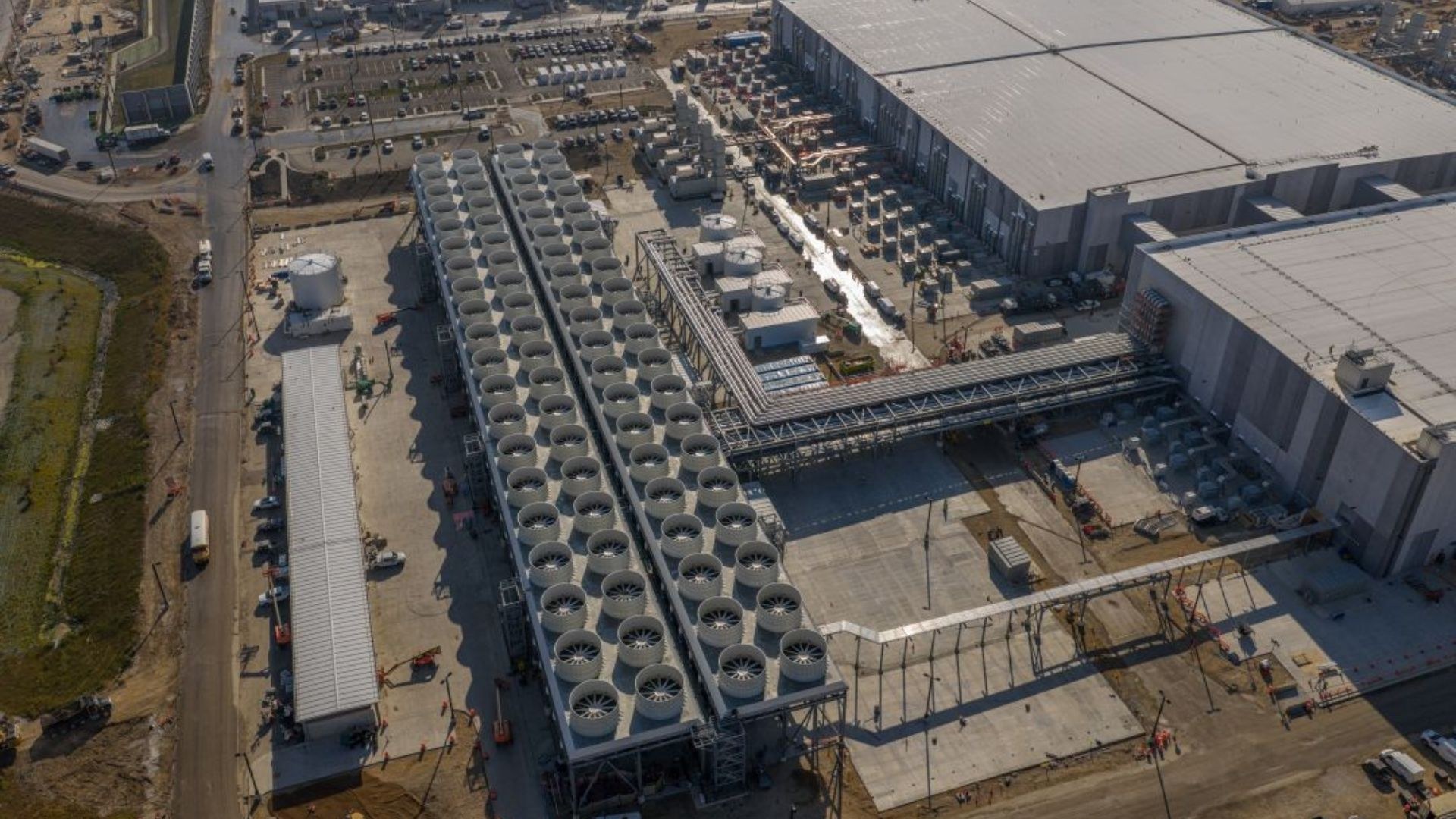
Beyond GPU procurement, data center buildouts require substantial investment in power infrastructure, cooling systems, networking equipment and physical facilities before accelerators become operational, making SpaceX's latest financing move part of a much larger capital program.
SpaceX has begun monetizing its infrastructure investments through customer agreements. Anthropic gained access to SpaceX's Colossus 1 supercomputer in May, which houses more than 220,000 Nvidia GPUs and delivers over 300 megawatts of computing capacity. Google struck a separate arrangement in June, committing to pay $920 million monthly for access to approximately 110,000 Nvidia GPUs and related systems, with payments running from October 2026 through June 2029.