Browser Port of GTA V Vanishes Hours After Going Live
An unauthorized WebAssembly conversion of Grand Theft Auto V appeared online briefly before being taken offline, raising questions about how AI is reshaping game development timelines and the limits of browser-based gaming.
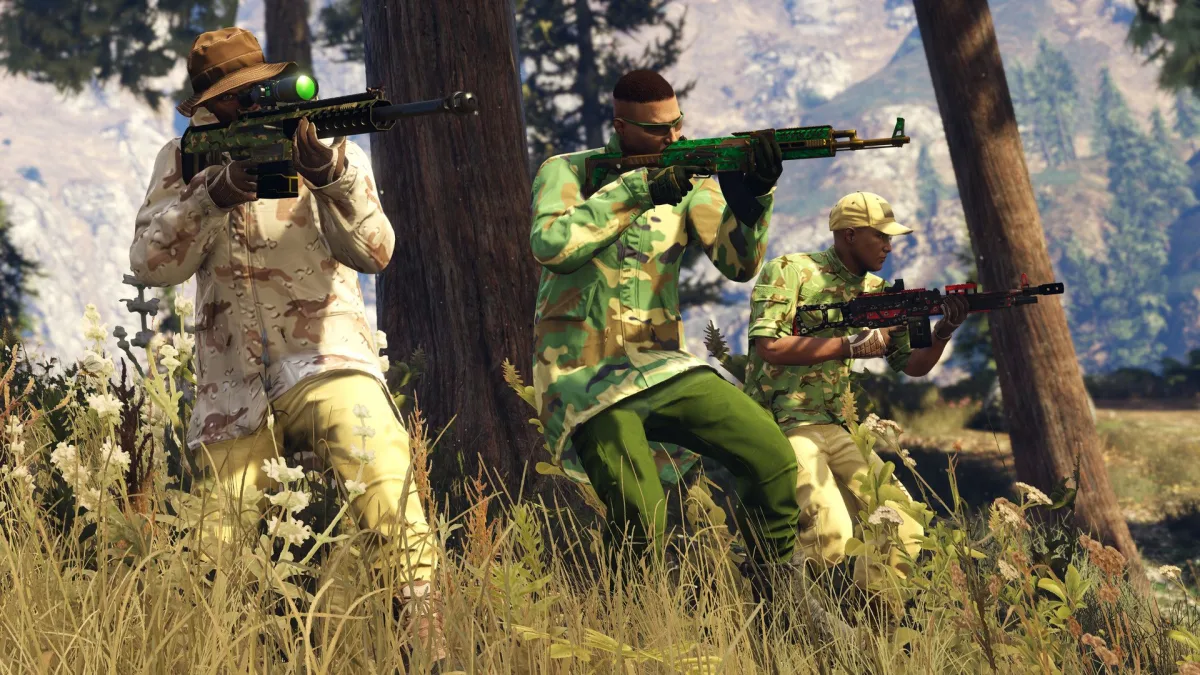
A makeshift version of GTA V designed to run in web browsers emerged and disappeared within hours this week. Alex St. Louis, founder of Wonder Interactive, posted footage of the playable port on X, noting that the conversion to WebAssembly had relied on artificial intelligence. The site hosting the project, PlayGTA5.com, became unreachable shortly after, initially displaying a Cloudflare Error 1014 before being replaced with a vintage food advertisement. The identity of whoever took the site offline remains unclear, though Take-Two Interactive would almost certainly have pursued legal action had the company discovered the unauthorized port. Archived versions of the game remain accessible through online repositories.
GTA 5 has been ported ported to WebAssembly using AI. We live in the wildest timeline.
Alex St. Louis, October 6, 2026
Take-Two's Track Record on IP Protection
Although Take-Two lacks Nintendo's reputation for aggressive litigation, the company remains vigilant about defending its intellectual property. The publisher previously shut down a browser-based port of GTA: Vice City and sent a cease-and-desist notice to the developer behind a GTA V port for the Nintendo Switch. Rockstar Games permits modding of its titles but enforces strict restrictions on what creators can do with those modifications, guided by a principle of "Respect Our Games." These browser ports, despite demonstrating the capabilities of contemporary web technology and computing infrastructure, generally cannot legally showcase GTA V or Red Dead Redemption 2, regardless of whether creators charge users, include disclaimers, or require ownership of the original game.
AI's Role in Accelerating Development
The involvement of artificial intelligence in constructing this port raises intriguing questions about how the technology might compress development cycles. Rockstar spent approximately five years building the original GTA V, beginning work in 2008 and releasing the game in 2013. The company then required an additional eighteen months to bring the title to personal computers. The identity and size of the team behind this ephemeral browser version remain unknown, but the speed of its creation suggests a substantially smaller operation than typical AAA game studios.
Browser Ports Versus Game Streaming
Players have begun questioning why game publishers do not favor browser-based ports over streaming services like GeForce Now. The distinction lies in their technical architecture. Streaming services execute games on remote servers and transmit video and audio to the user's device, whereas browser ports load game assets directly into the browser and perform most computation on the player's machine. This approach eliminates typical streaming drawbacks such as latency, input delay, and video compression degradation. However, browser ports introduce their own complications: performance constraints, memory limitations, and compatibility issues. For major commercial titles with substantial development budgets, native execution remains more practical than relying on browser environments that could malfunction following a single problematic software update.