Meta Pushes Back Net-Zero Target as AI Data Centers Drive Emissions to Record Highs
Meta is reconsidering its 2030 net-zero emissions goal after reporting a nearly 40 percent surge in greenhouse gas output, the steepest year-over-year increase among major U.S. tech giants building out AI infrastructure.
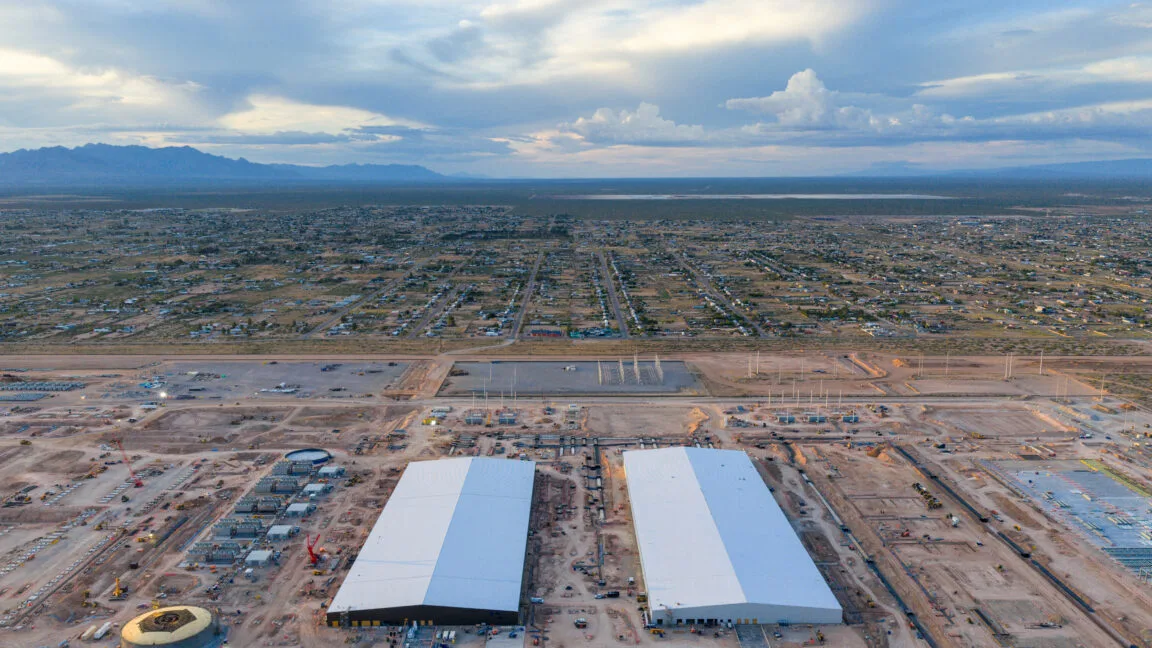
Meta is backing away from its commitment to reach net-zero emissions by 2030, according to disclosures in the company's latest sustainability report. The announcement coincides with Meta posting the largest percentage jump in greenhouse gas emissions of any major technology competitor currently racing to expand AI data center capacity.
In its November 19, 2026 sustainability report, Meta leadership framed the shift as a response to unforeseen circumstances. Rachel Peterson, vice president of data centers at Meta, and Blair Swedeen, global head of net zero and sustainability at Meta, wrote that "our long-term ambitions haven't changed, but our operating environment has." They pointed to how "demand for AI infrastructure has grown faster than almost anyone projected."
We are re-evaluating our timelines, sequencing, and interim milestones—including the 2030 timeframe for our net zero emissions goal and our near-term intensity targets—so our approach reflects current operating realities while keeping progress transparent year over year.
Rachel Peterson and Blair Swedeen, Meta
The decision marks a notable departure from the stance taken by Amazon, Google, and Microsoft, which have maintained their original sustainability commitments despite facing similar pressures. All four companies have grappled with the tension between their climate pledges and the rapid expansion of energy-intensive data center infrastructure. Even as these firms invest in renewable energy projects, many of their new AI facilities still depend on natural gas-fired power generation.
Rising emissions
Meta's carbon footprint expanded dramatically, climbing from 15.6 million metric tonnes of carbon dioxide equivalent in 2024 to more than 21.7 million metric tonnes in 2025. This expansion places Meta's annual emissions in the range of Idaho's total output, and exceeds the combined emissions from Hawaii, Maine, South Dakota, and New Hampshire. The company attributed the bulk of this growth to "capital goods," particularly servers deployed in data centers.
The jump represents a nearly 40 percent increase year-over-year, marking the highest percentage growth in total emissions among the four largest U.S. technology firms. By contrast, Microsoft saw a 25 percent rise, Google experienced an 18 percent increase, and Amazon reported a 16 percent uptick during the same period. Despite this spike, Meta's absolute carbon footprint remains among the smallest of the major technology companies.
Meta has pursued net-zero targets through developing fresh renewable energy initiatives to offset emissions and deploying carbon removal technologies. Nevertheless, when accounting for these efforts, the company's net emissions still climbed from more than 8.1 million metric tonnes to more than 11.8 million metric tonnes in 2025—a 45 percent increase.
Water woes
On water consumption, Meta showed some improvement in direct facility usage, declining from 825 million gallons in 2024 to 790 million gallons in 2025. However, this gain is offset by a troubling shift in where that water comes from. Consumption from "areas with water stress" climbed from 198 million gallons in 2024 to 246 million gallons in 2025.
More significantly, Meta reported a substantial rise in water tied to purchased electricity—the volume of water consumed by power generation supplying the data centers—jumping from 19 billion gallons in 2024 to more than 26 billion gallons in 2025. This underscores a critical reality: the water demands of powering data centers far outweigh the direct water needs of the facilities themselves for cooling purposes.
Meta deserves recognition for one distinction: it stands as the sole major cloud infrastructure provider reporting indirect water consumption. Data Center Dynamics noted this transparency matters because "Meta is the only hyperscaler to report indirect water use, a growing concern as data centers shift to closed-loop cooling systems that, despite using less water at source, require more electricity to run." Broader adoption of such reporting by other technology leaders would serve the public interest, particularly as scrutiny of the AI sector's environmental footprint intensifies.