Blower-cooled RTX 5090 GPUs spotted in China shipment, raising supply chain questions
Leaked images of a blower-style variant of Nvidia's flagship RTX 5090 have surfaced online, showing units packed for distribution from a Chinese facility. The discovery has sparked concerns about unauthorized distribution and whether the cooling design can handle the card's substantial power draw.
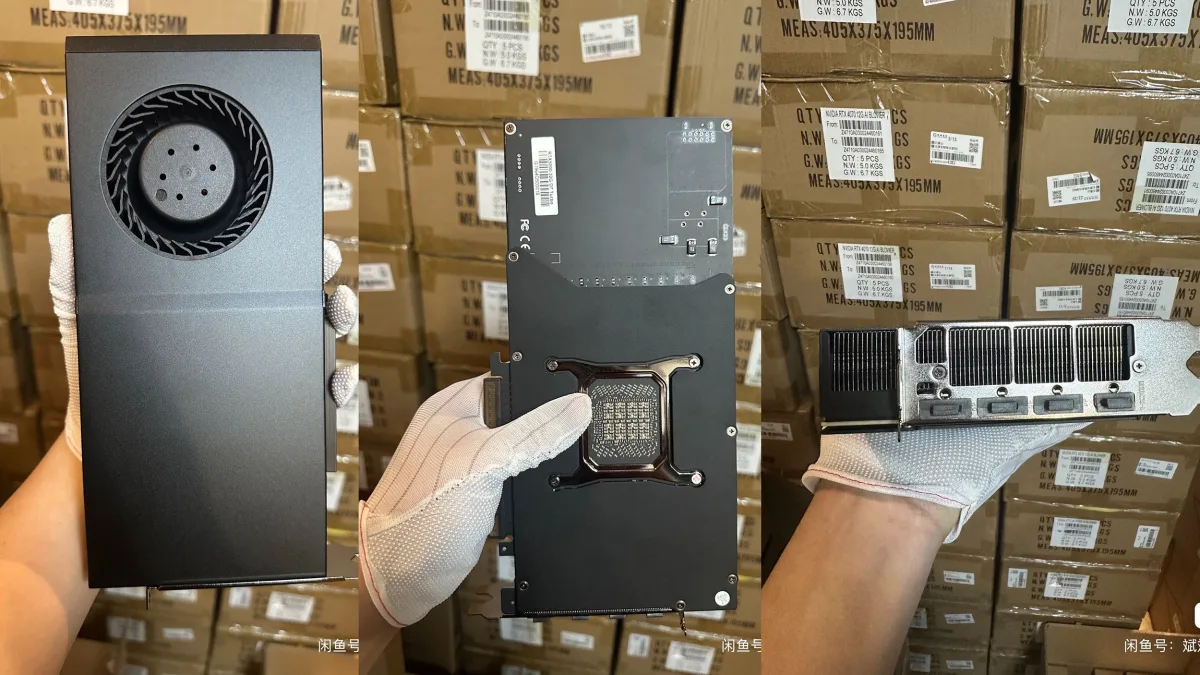
Images circulating on social media have revealed what appears to be a blower-cooled version of Nvidia's RTX 5090 graphics processor, shared by hardware leaker Olrak20_ on X. The photographs, apparently taken at a facility in China, depict multiple units boxed and prepared for transport. A serial number label visible on the cards reads "RTX5090 32G D7 Turbo," which differs from the RTX 5090D officially designated for the Chinese market.
No Nvidia board partner has publicly unveiled a blower-style variant of the RTX 5090 to date. Blower-style coolers feature a single fan that pulls air inward, with heated exhaust directed out the rear of the enclosure. This design proves advantageous for space-constrained systems and server environments, particularly in multi-GPU configurations where thermal management is critical. By expelling hot air entirely from the chassis rather than allowing it to recirculate, blower designs maintain lower ambient temperatures compared to open-air cooling solutions.
Last month, a comparable blower-style RTX 5090D surfaced on the Chinese video platform Bilibili, displaying a two-slot form factor, a rear-positioned 16-pin power connector, and a substantial opening along its underside. The video confirmed the presence of the GB202 chip alongside 32 GB of GDDR7 memory. The current discovery, however, appears less official in nature and more suggestive of an unauthorized variant.
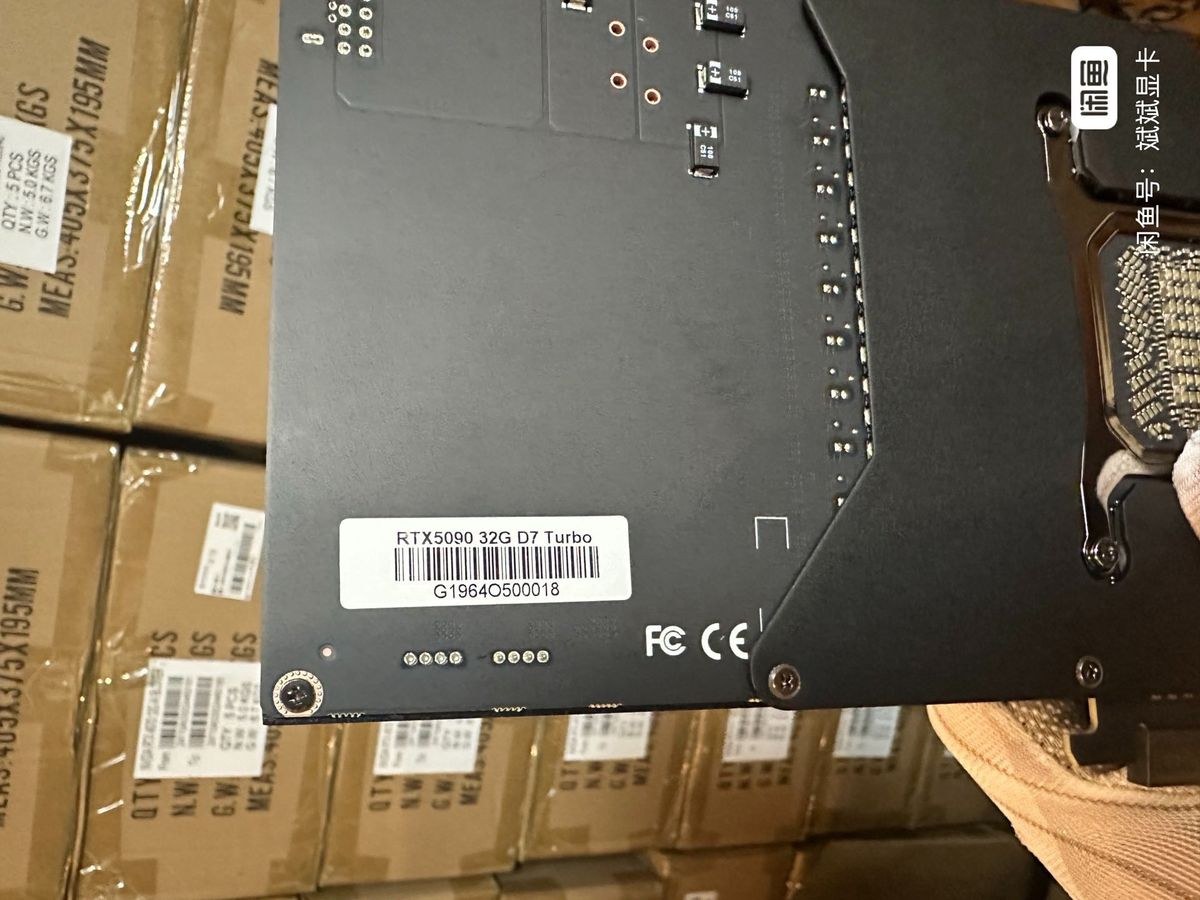
Thermal performance presents a significant concern. The RTX 5090 can consume as much as 575W of power, potentially overwhelming a blower cooler's capacity to dissipate heat without triggering throttling or producing excessive noise. This limitation hints that these units may be earmarked for artificial intelligence training applications or enterprise deployments rather than consumer gaming use.
The absence of branding on both the cards and packaging suggests these may represent gray-market or unauthorized products sourced through unofficial channels. Recent developments have seen the U.S. government urge Malaysia's trade minister to strengthen oversight of technology exports bound for China in an effort to combat semiconductor smuggling operations.
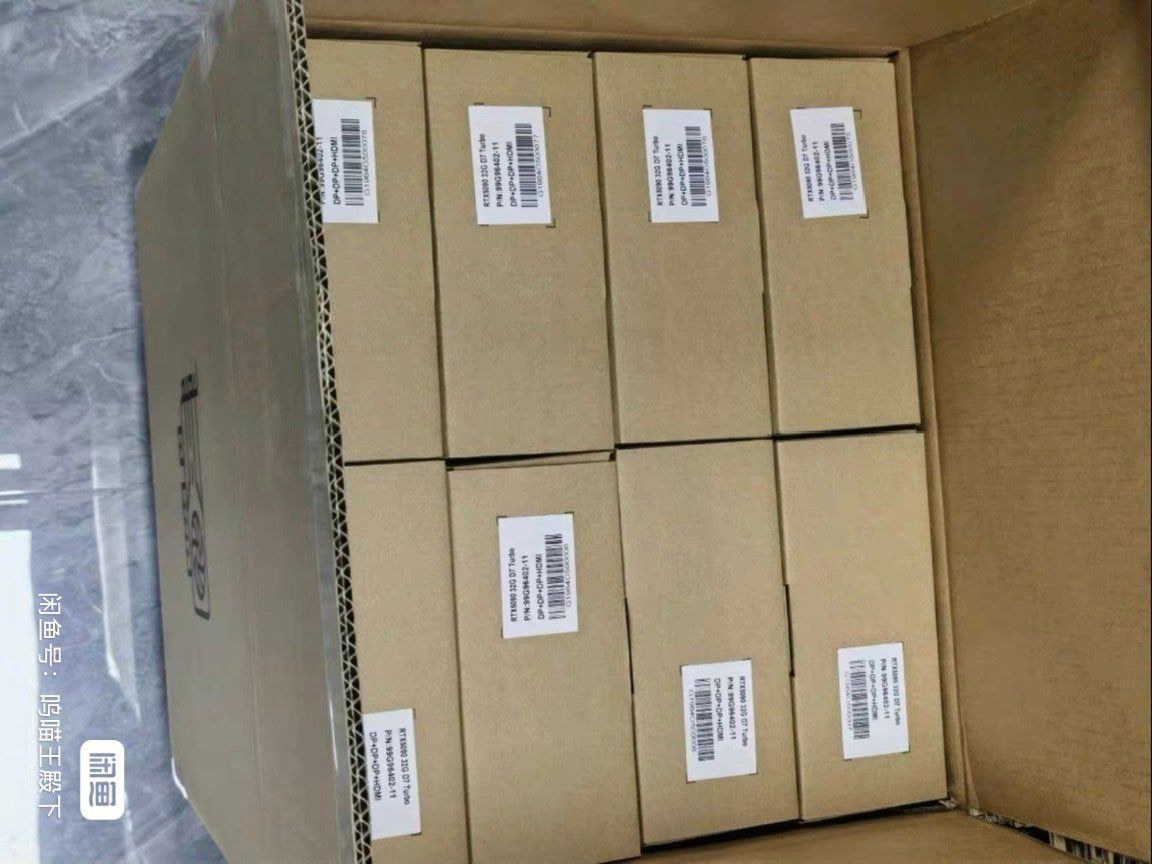
Nvidia has remained silent regarding the images and has not confirmed development of any such product variant. Without an official statement from Nvidia or one of its manufacturing partners, the true nature, source, and authenticity of these blower-style RTX 5090 units remain uncertain. Whether they represent engineering prototypes, modified original equipment manufacturer hardware, or products from illicit supply chains, their emergence underscores growing concerns about supply chain integrity and intensifying demand for high-performance graphics processors throughout China.
Source: Tom's Hardware