Beyond Proton: Valve's Two New Compatibility Layers Power the Steam Frame
To expand gaming options on its upcoming Steam Frame headset, Valve is deploying FEX and Lepton alongside Proton, enabling x86 emulation on Arm chips and Android app execution on SteamOS.

Gamers have come to know Proton as the compatibility layer that bridges Windows games to the Linux-based SteamOS running on the Steam Deck. Yet Valve's work in this space extends further back. For the forthcoming Steam Frame headset, the company is introducing two additional compatibility layers that represent new directions in the Steam ecosystem.
FEX: Bringing x86 Games to Arm Hardware
The first of these is FEX, Valve's adaptation of fex-emu, an open source emulation project that translates x86 processor instructions to run on Arm-based chips. Since its inception in 2018, the initiative has matured from a modest cross-platform effort into something far more sophisticated. According to the Fex website, it now includes "an advanced binary recompiler that supports all modern extensions of the x86(-64) instruction set." The emulator leverages graphics libraries such as OpenGL and Vulkan to cut overhead, and employs "code caching to minimize stuttering as much as possible," per Steam's developer documentation.
Unlike Proton, which built on the existing Wine tool, Valve has been directly backing Fex since its early days. Valve engineer Pierre-Loup Griffais explained to The Verge last year that the company began funding Fex lead developer Ryan Houdek when the project was still in prototype form. At that time, Valve recognized that "close to a decade of work [would be] needed before [Fex-emu] would be robust enough people could rely on it for their libraries."
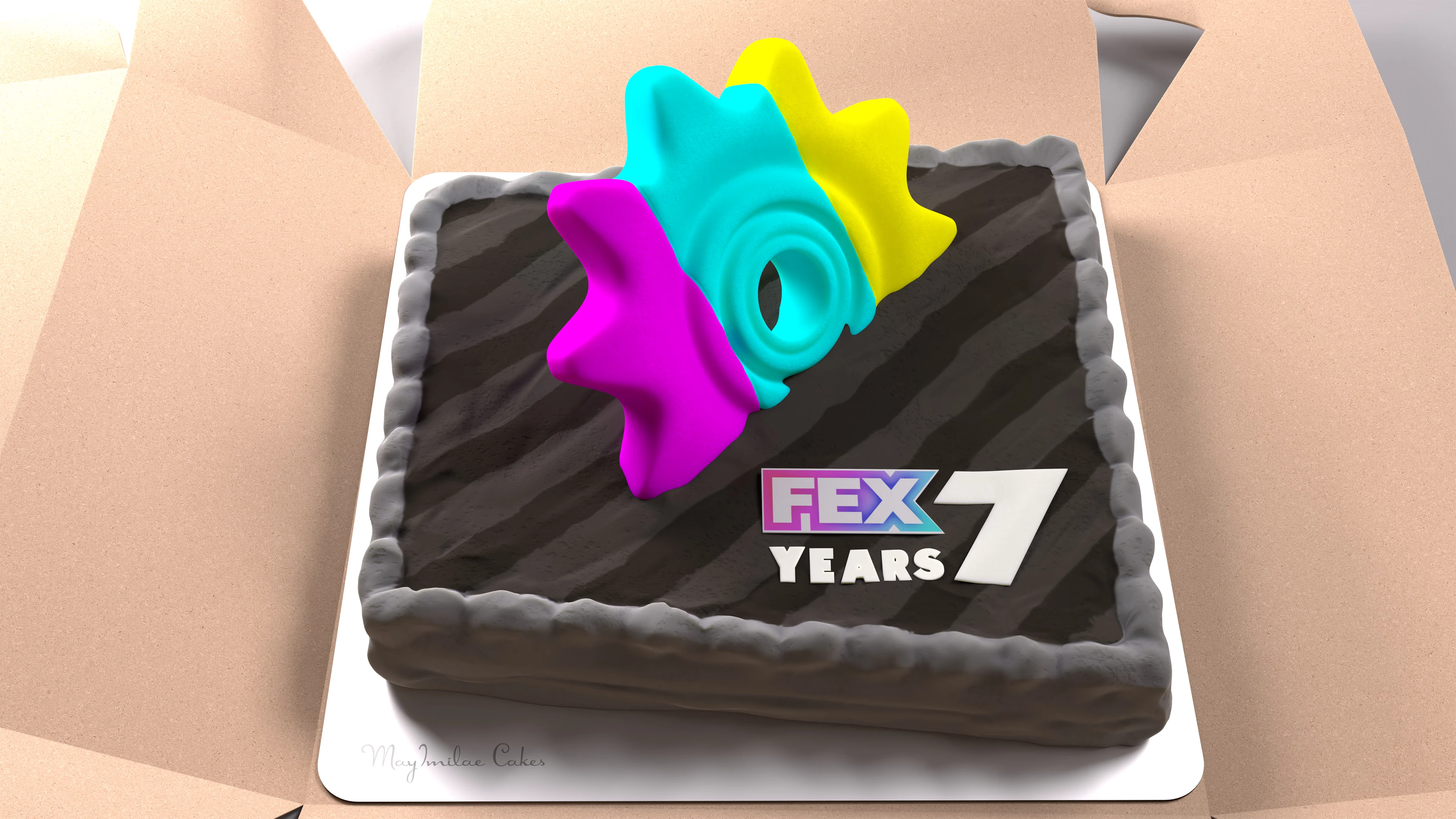
Houdek acknowledged this long-term partnership in November while reflecting on the project's seventh anniversary: "I want to thank the people from Valve for being here from the start and allowing me to kickstart this project. They trusted me with the responsibility of designing and frameworking the project in a way that it can work long-term; not only for their use cases but also keeping it an open project that anyone can adapt for their own use cases."
With Fex now integrated into the Steam Frame, Valve is actively investigating SteamOS versions tailored for other Arm-based devices. In a recent conversation with Rock Paper Shotgun, Griffais stated: "I think one of the things that we want to do, and that the Frame is kind of paving the way for, is just more general SteamOS for Arm, right? There's a bunch of devices where you could have a great experience running SteamOS on there, that are currently kind of this adjacent ecosystem that's just a little bit different. But not really that different, in our opinion."
Griffais's vision centers on removing a key barrier: the need for players to sacrifice portions of their game libraries when choosing Arm-based devices. The goal is to make hardware selection based purely on specs and value, without forcing compromises on software compatibility.
Lepton: Running Android Apps on SteamOS
The second compatibility layer, Lepton, extends the capabilities of the existing Waydroid project by enabling standard Android APKs to execute on SteamOS through a containerized environment. This layer proves particularly valuable for the Steam Frame, given that many standalone VR titles were originally built for Android-based Quest headsets.
While some of these titles received Windows ports for earlier SteamVR hardware, a significant portion of current Steam Frame titles appear to run directly as APKs via Lepton. Analysis by VR.org of Steam metadata this month revealed that 52 of the first 120 games marked "Great on Frame" execute on the device as Android binaries translated through Lepton. Notably, this includes the initial three Steam titles listed without any Windows, Mac, or Linux builds available.
Valve engineer Jeremy Selan explained the appeal to The Verge last year: "They're really VR developers who want to publish their VR content, and they're porting a mobile VR title where they're already familiar with how to make those APKs. They are now free to bring those to Steam, and they'll just work on this device."
The question of whether generic Android applications and non-VR games might follow remains open. When asked by The Verge whether other Android developers could use Lepton to bring their apps to SteamOS, Valve's Lawrence Yang responded: "We've never disinvited people from doing that" but immediately added, "We are a games company and we are focused on games."
The trajectory from Valve's early days—when the company asked developers to create custom Linux ports for the original SteamOS—to today's multi-layered compatibility approach marks substantial progress. Whether a broader wave of Android applications arrives on Steam remains to be seen, but the infrastructure is now in place to support it.