BattleBots designers harness AI simulation to optimize robot combat strategies
Competitive robot builders are leveraging GPU-powered simulation platforms to test weapon designs and defensive tactics before machines enter the arena, with CoreWeave serving as the official AI cloud partner for BattleBots.
High-performance GPU clusters and advanced networking infrastructure, once confined to cutting-edge AI research facilities, are now accessible to engineers working on physical robotics challenges. This democratization of computational power has reached the competitive robot combat space, where designers use simulation to validate engineering decisions before hardware meets competition.
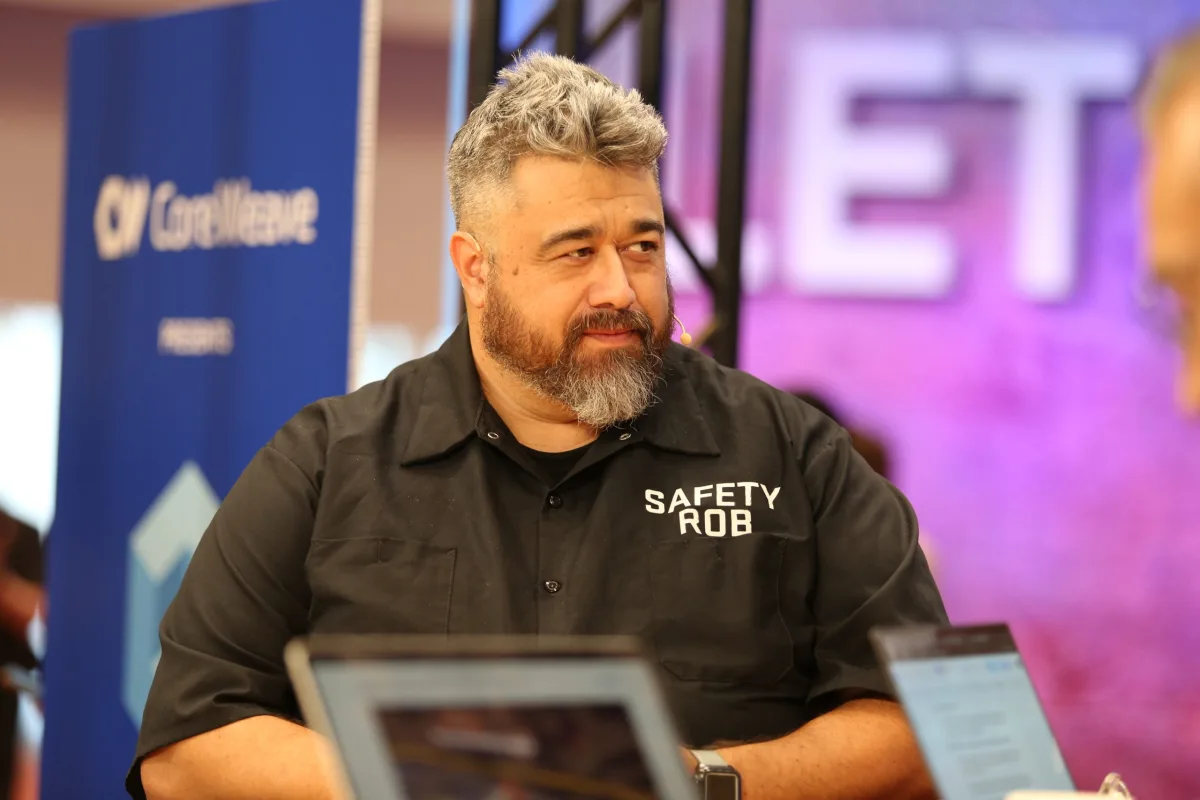
CoreWeave Inc. has been designated the official AI cloud partner of BattleBots Inc., enabling builders to run detailed simulations of their designs. Rob Bahr, senior engineer at BattleBots, explained that teams now rely on computational modeling to explore weapon configurations and defensive strategies in advance of actual matches.
What a lot of guys have started to do is run simulations on their computers of what type of weapon they want to use. Do they want to use a bar? Do they want to use a circle? Do they want a single tooth? They start using and running those simulations in each one of these scenarios to figure out what's their best defense, what's their best offense.
Rob Bahr, senior engineer at BattleBots
Material innovation and simulation-driven testing
The urgency for simulation has intensified as builders move away from traditional construction methods. Teams are experimenting with 3D-printed components, plastics and elastomers instead of rivets, wood and stainless steel, each requiring validation before deployment in competition.
There's actually been a couple [of] teams that have started to try to do new designs. Especially with 3D printing and material changing so fast, people are starting to run simulations on different types of plastics, different types of rubbers.
Rob Bahr
Safety constraints and competitive validation
BattleBots competition serves as an unforgiving testing ground for engineering decisions. Bahr, known within the builder community as "Safety Rob," emphasized that failures in the arena are absolute and visible—machines either function or they break, catch fire or suffer catastrophic damage.
If you know something fails in BattleBots, you know that it failed. It's broken. It's in pieces or it's on fire or something like that.
Rob Bahr
Safety considerations remain paramount, particularly around lithium battery hazards. BattleBots has managed enough battery-related incidents that the organization contributed expertise to the National Fire Protection Association's NFPA 800 standard development.
AI's role in advancing robot design and autonomy
I really think AI is going to play a key role in computing and simulation and possibly in the autonomy, which is going to push the hardware further than it's already been. It's kind of like this leapfrog effect. You have good hardware, then you have good software. It's going to definitely push the sport forward.
Rob Bahr
https://www.youtube.com/embed/8ah7zaG8MJ4?start=4&feature=oembed
Bahr discussed these developments during an appearance at the Fully Connected event, where he spoke with theCUBE Research's Dave Vellante and John Furrier about simulation's role in robot combat design, CoreWeave's partnership with BattleBots and the emerging potential for AI-driven autonomy in competitive robotics.